

Maltese MEPs Peter Agius and David Casa did not rule out the use of the EU’s Anti-Coercion Instrument (ACI) following the US government’s increasingly belligerent messaging about Greenland.
Described by pundits as the equivalent of Europe’s “trade bazooka”, the ACI can be used to impose sweeping economic restrictions on countries which are using trade to pressure European member states into taking decisions they would not otherwise consider.
If used, the ACI would make it much more difficult for American businesses to tap into billions of euros’ worth of commerce and mutual foreign investment. Deploying the ACI alongside bruising tariffs would slow down EU-US commerce to a trickle.
Prior deployment, EU member states must first establish whether economic coercion is occurring. The EU then engages in diplomatic talks with the offending country.
If talks fail, a qualified majority of at least 15 EU countries representing 65% of the bloc’s entire population must vote on backing economic countermeasures. Countries have ten weeks to back the measures or vote against them. Measures can include heavy restrictions on imports and exports, customs duties, and more sector-specific ones like sanctions on intellectual property rights.
While transatlantic cooperation between Europe and the US goes back at least eight decades, US President Donald Trump’s repeated threats to impose tariffs on European countries who push back against the US’ claims over Greenland have brought relations to a historic low.
While Trump’s U-turn at the global Davos summit has given European leaders some breathing room by taking the military invasion option off the table (at least for now), tensions remain sky-high as the diplomatic world attempts to make sense of the White House’s foreign policy.
Given that Greenland forms part of Denmark’s territory, which in turn is a member state of the EU, Trump’s tariff threats and the refusal to totally rule out the use of military force to take over Greenland have created an unprecedented situation where former military allies must now consider each other hostile parties.
Within this extraordinary context and amid plenty of speculation about how the EU intends to respond to Trump’s aggression, The Shift sent questions to all Maltese MEPs to better understand their position on whether they’d support the use of the ACI to deter US aggression.
We also sent questions about their position on a recent trade agreement signed between the EU Commission and the US. An EU Parliament vote on the agreement that was meant to be held on Wednesday was postponed.
Out of all five Maltese MEPs, Peter Agius and David Casa were the only ones to respond by publication time. Labour MEPs Alex Agius Saliba, Daniel Attard, and Thomas Bajada did not respond to our questions.
We also sent identical questions to EU Parliament President Roberta Metsola and Prime Minister Robert Abela. Neither replied by publication time, though both of them did address the issue in public.
Noting that “the matters highlighted are being discussed as we speak”, Agius agreed with the assessment that the EU’s alliance with the US is “tense in the context of a return to unilateralism promoted by President Trump”.
“The EU should not shun away from using the full set of tools at its disposal, but most importantly, we should double down on our capacity to speak and deal as a Union with other regions of the world,” the MEP added.
Fellow Nationalist MEP David Casa emphasised the importance of salvaging what’s left of the “rules-based international order,” arguing that it is especially important for the survival of small states like Malta.
“The question we are facing is how Europe defends that order at a time when a long-standing ally has become increasingly unpredictable in its actions. Europe’s initial response of restraint, dialogue and caution was responsible and justified. It reflected our commitment to de-escalation and diplomacy,” Casa said.
“However, it is now clear that this strategy of appeasement has not delivered the desired outcome. Excessive forbearance has not reduced pressure; it has encouraged it. Coercive behaviour rarely ends on its own,” he added.
Casa’s partial admission about the failure of the EU’s strategy to try and bargain with Trump instead of responding more forcefully to economic coercion is reflective of wider sentiment within both European fora and even among some of Trump’s staunchest allies in Congress.
“In this context, Europe must be prepared to place all its legitimate tools on the table, including the Anti-Coercion Instrument. The ACI is a deterrent, not an escalation, and its credibility depends on our willingness to use it when economic pressure is applied for political ends,” Casa continued.
Casa also maintained that “a pause or freeze” on the EU-US trade agreement would further drive the point home. Flexing the EU’s trade muscle and deploying its most powerful trade tools would let Washington know that Europe’s patience has run thin.
In an address to European Parliament, President Roberta Metsola underlined that Denmark’s territorial sovereignty must not be questioned and reiterated Europe’s full support for the people of Greenland.
In a nod to criticism which the EU has sustained for its diplomatic approach in the face of Trump’s aggression, Metsola dismissed the notion that Europe’s preference for restraint and dialogue is a sign of weakness, describing it instead as a source of strength.
Prime Minister Robert Abela, meanwhile, continues to sit on the fence, refusing to condemn the US’ militaristic approach to international diplomacy and that Malta should be cautious in how it chooses to express itself, in spite of the obvious breaches of international law that would occur if and when the US were to seize Greenland by force.
Government MPs even voted against a parliamentary motion in which the Opposition attempted to issue a joint declaration in support of Greenland’s sovereignty, indicating a sense of weariness at the prospect of being singled out by the US government.
In fact, Abela and his Foreign Minister Ian Borg have been cautious to wait for an urgent EU Council to be held later today, in which European heads of state are expected to discuss the next steps in this surreal saga.
Sign up to our newsletter Stay in the know
"*" indicates required fields
Regulator rejects BOV’s nomination for top risk post

Terminated Housing Authority contractor formed company months before €6.5m Siġġiewi contract

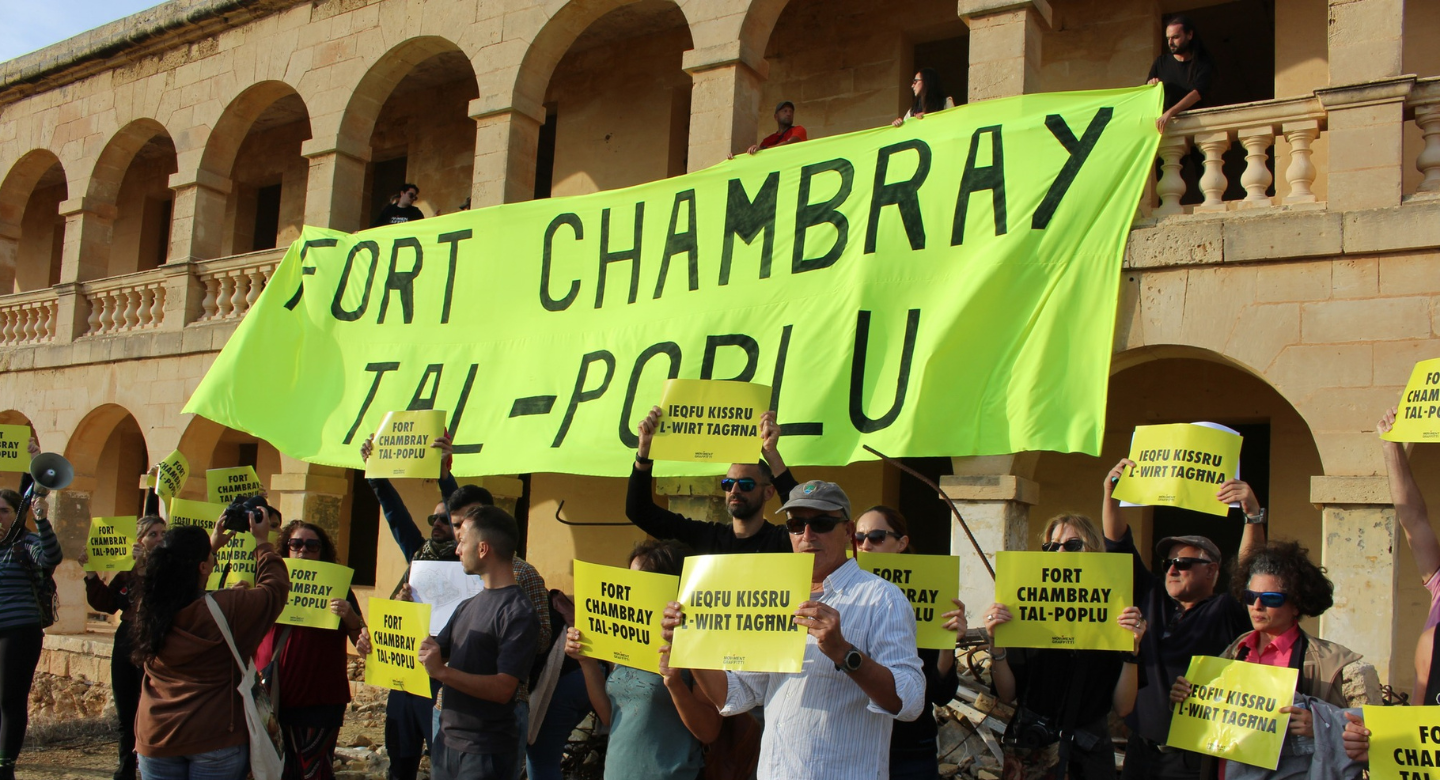
Government makes U-turn on Chambray, leaves protection and public access unclear

Dalli’s trusted aide leaves regulator after clash over interference
Tags
#ACI
#alex agius saliba
#Anti-Coercion Instrument
#daniel attard
#David Casa
#Denmark
#EU
#European Commission
#European Parliament
#European Union
#Greenland
#peter agius
#Robert Abela
#Roberta Metsola
#Thomas Bajada
Other News
Regulator rejects BOV’s nomination for top risk post
Terminated Housing Authority contractor formed company months before €6.5m Siġġiewi contract
Government makes U-turn on Chambray, leaves protection and public access unclear
Dalli’s trusted aide leaves regulator after clash over interference

Dripping poison


Rare PL-PN unity as Siġġiewi vows to stop crematorium

MeDirect rejects bond disclosure allegations, warns Vaswani of damages claim
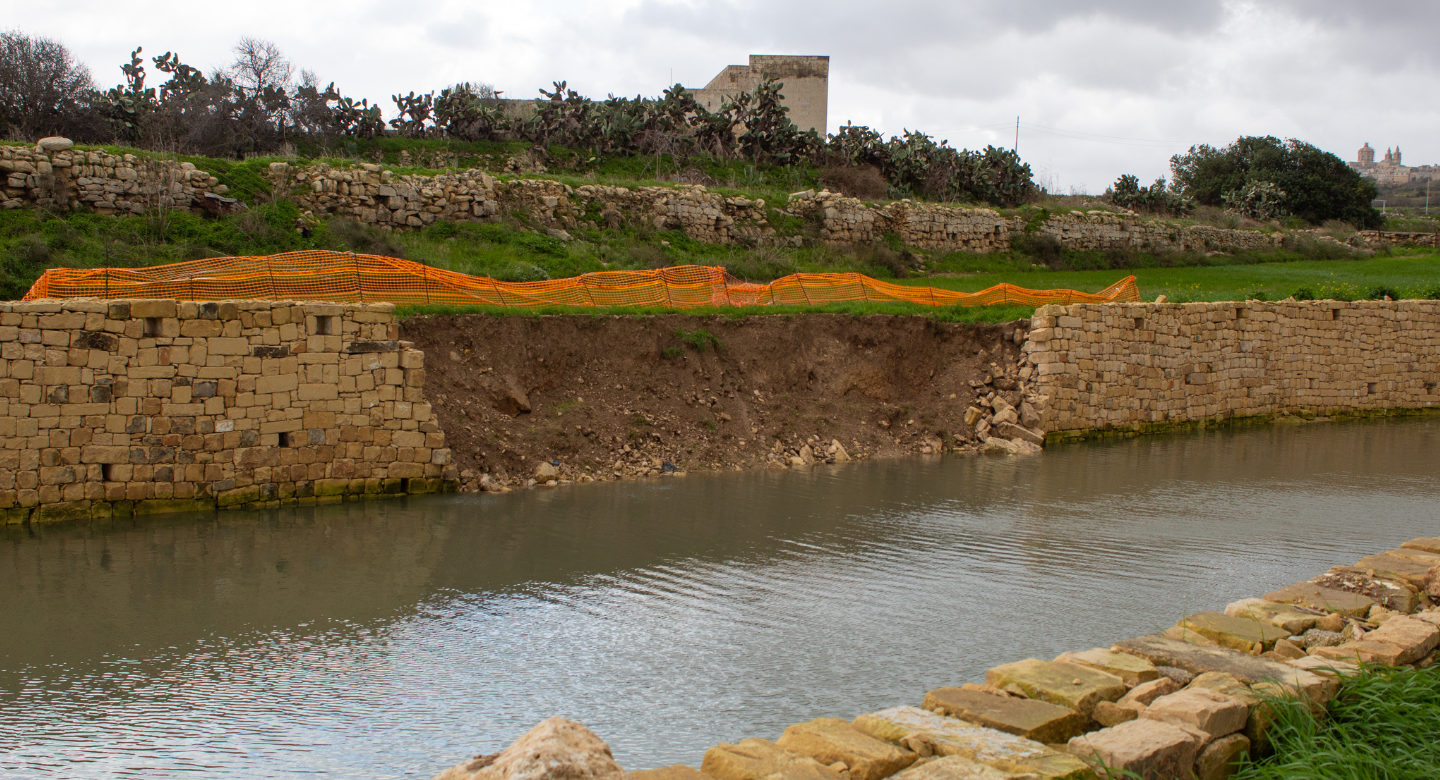
Dalli finds the culprit of Wied Speranza: water in a valley

Pama directors’ bonuses rise 21% as operating profit falls

Clyde Caruana livid as Lydia crosses the line

Minister ordered to appoint Luke Dalli as PBS deputy chairman

Personali ma naqbel xejn ma dawn iz zewg MEPs.
Ahna zghar wisq biex nippupaw sidirna