

A long-running dispute over professional standards in Malta’s engineering sector has intensified after the government-dominated Engineering Profession Board began processing applications for engineering warrants from graduates of courses that lack European accreditation, prompting warnings of reputational damage, legal risk and a dilution of professional standards.
The move prompted the only two independent members of the Engineering Board, Arthur Ciantar and Samuel Bonanno, to resign in protest.
The rest of the board, clearly acting on the informal guidance of the government, is chaired by lawyer Noel Camilleri – a Labour acolyte who is also the President of the Band Clubs association.
The controversy centres on graduates from the Malta College of Arts, Science and Technology (MCAST), whose engineering programmes are not accredited by the European Network for Accreditation of Engineering Education (ENAEE), the body that oversees the EUR-ACE quality label recognised across the EU. Despite several years of review and evaluation, MCAST has yet to secure ENAEE accreditation for its engineering degrees.
Under Maltese law, an engineering warrant is required to practise as a professional engineer. Traditionally, such warrants have been granted to graduates of accredited university programmes, aligning Malta with European norms on professional mobility and mutual recognition of qualifications.
The current flashpoint follows a recent court decision lifting a prohibitory injunction that had temporarily blocked the Engineering Profession Board from issuing warrants to certain categories of applicants, including MCAST’s. The injunction had been sought by the Malta Association of Professional Engineers (MAPE), which argued that granting warrants to graduates of non-accredited programmes – including those from third countries – would undermine public safety and breach European standards.
While the court ruled that MAPE lacked the necessary juridical interest to sustain the injunction, it did not adjudicate on the substantive merits of the discrimination and standards arguments raised by the association.
Legal experts note that prohibitory injunctions in Maltese law are preliminary in nature and do not amount to a final judgment on the underlying issues.

MAPE insists that the board’s decision to proceed regardless amounts to regulatory overreach.
In an open letter addressed to Transport Minister Chris Bonett in which the two representatives of MAPE resigned, veteran engineer Arthur Ciantar warned that the move could “destabilise” the profession and place Malta’s engineering warrant into disrepute.
“The primacy of European law must be respected absolutely,” Ciantar wrote, arguing that independent third-party accreditation is an “essential prerequisite” for recognising engineering qualifications within the EU. He added that allowing non-accredited graduates to practise could expose both warrant holders and board members to liability in the event of structural or safety failures.
Supporters of the current approach counter that Malta faces skills shortages in key technical areas and that MCAST plays a vital role in widening access to higher education.
Government officials have previously argued that local regulators should retain discretion to assess competence on a case-by-case basis rather than rely exclusively on European labels.
However, professional bodies remain unconvinced.
MAPE and other critics insist that granting warrants without ENAEE accreditation could open the door to applications from a wide range of institutions – including non-universities – and weaken the safeguards that protect the public interest in safety-critical fields such as construction, infrastructure and industrial design.
The dispute also carries political overtones.
Opponents accuse successive administrations of allowing the issue to drift, despite repeated warnings following high-profile construction failures and fatalities in recent years. They argue that policy choices aimed at rapidly expanding the labour market have come at the expense of professional regulation.
At stake is not only domestic confidence but Malta’s standing within Europe.
As an EU member state, Malta is expected to align its professional standards with common European frameworks to ensure mutual recognition of qualifications. Any sustained divergence could complicate cross-border practice for Maltese engineers and weaken trust in national regulators.


Sign up to our newsletter Stay in the know
"*" indicates required fields

EU funding removed from €120 million Mater Dei direct order to avoid Brussels scrutiny

Refalo stalls release of contracts given to lawyer linked to ‘mafia’ villa


NGOs demand clarity about Labour Party’s proposed review of local plans


‘The miracle of Buġibba square’: over-budget project rushed to completion a few days ahead of elections
Tags
#Chris Bonett
#Engineering
#EU
#MCAST
#Noel Camilleri
#standards
#warrants
Other News
EU funding removed from €120 million Mater Dei direct order to avoid Brussels scrutiny
Refalo stalls release of contracts given to lawyer linked to ‘mafia’ villa
NGOs demand clarity about Labour Party’s proposed review of local plans
‘The miracle of Buġibba square’: over-budget project rushed to completion a few days ahead of elections

Labour’s final push to ‘annihilate’ opposition as jobs, transfers and promotions continue unabated
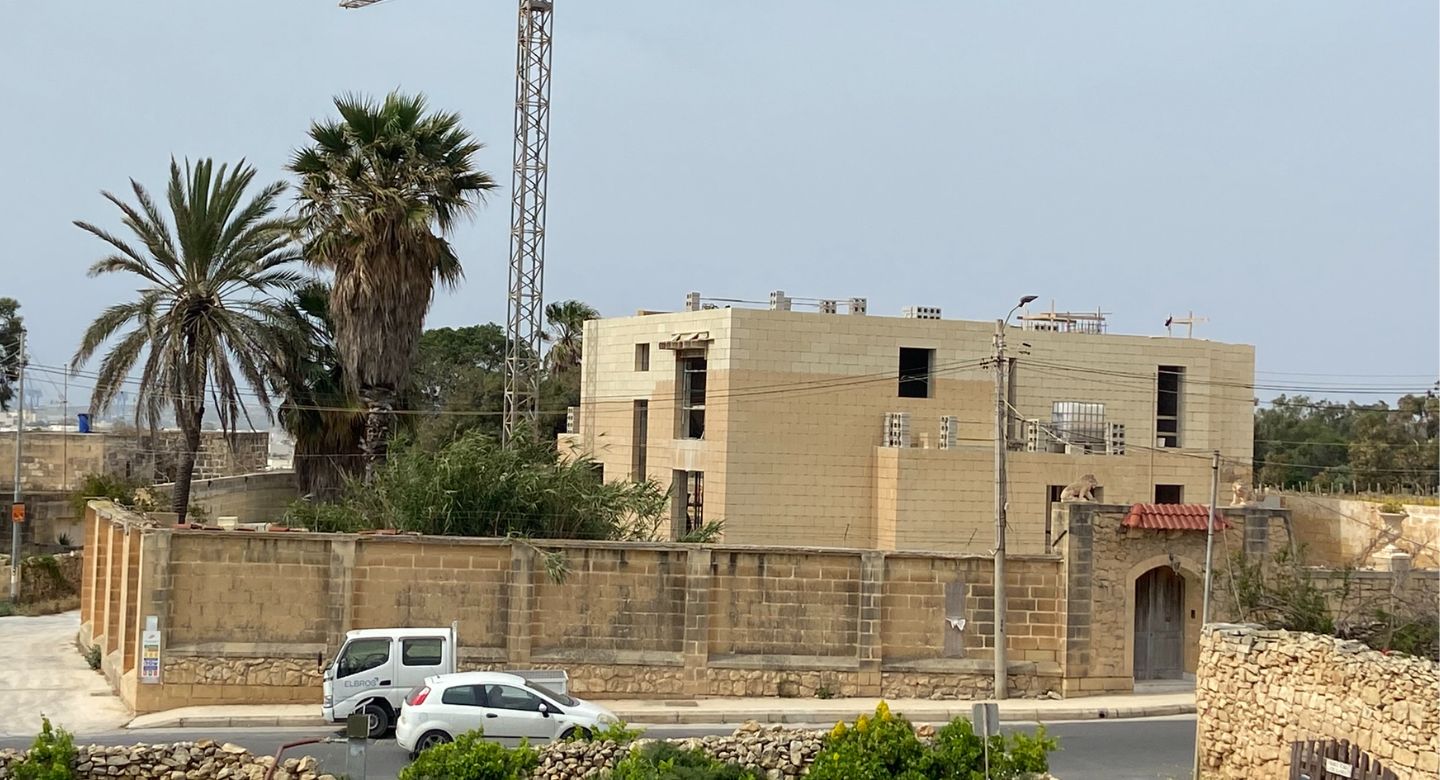
Abela refuses to explain financing of ongoing hotel and ODZ mansion developments
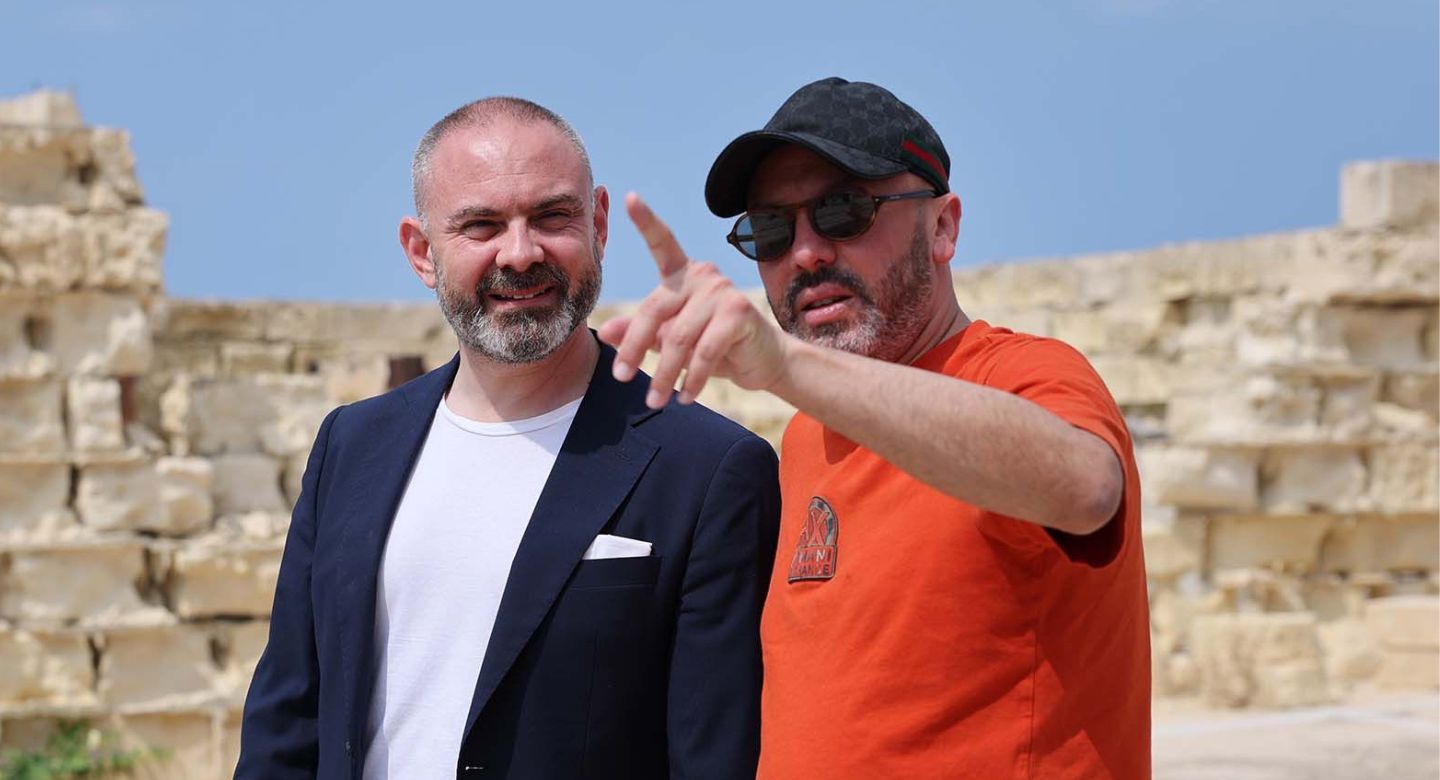
Johann Grech planning new multi-million-euro film bash next month

Marsalforn business to remain disrupted for third consecutive summer

All aboard the gravy train: churches in Labour strongholds get face lifts

Tap water campaign costs taxpayers €400,000 through direct orders awarded to ‘friendly’ companies

Luqa mosque application still active despite withdrawal reports

To me this is all bull. Both MCAST Engineering Faculty and University of Malta Engineering Faculty have the same identical syllabus. So why is it that one is recognised whilst the other is not?
Give us proof please of your claim and while at it list also the entry requirements for both institutions.