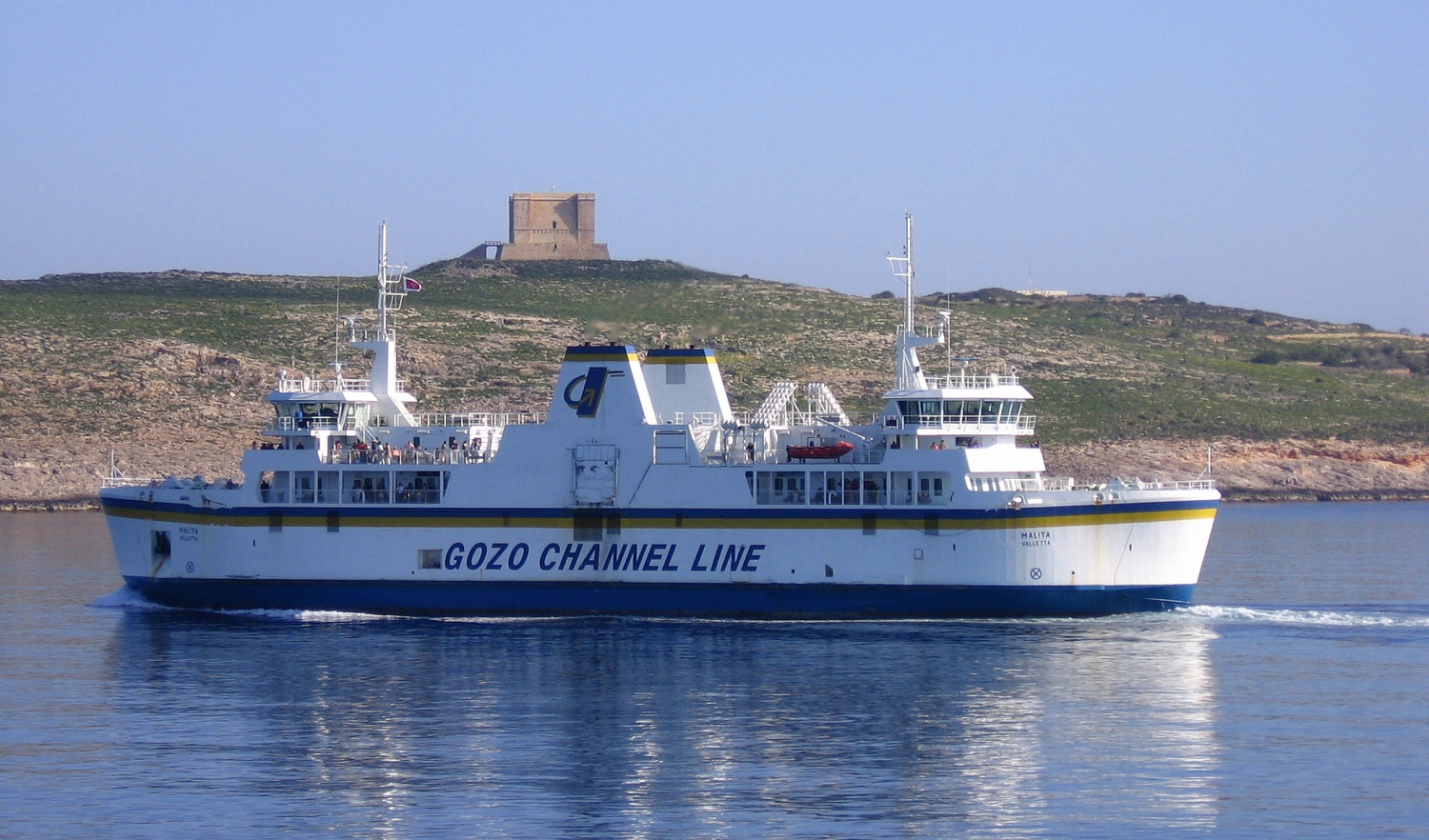

The government forked out an average of €400 in state funds for every Gozo Channel trip between the two islands in 2023, an analysis of the latest Gozo Channel financial data shows.
In total, taxpayers paid €11.1 million in subsidies to Gozo Channel in 2023, raising serious questions about the sustainability of these funds and the possible breach of EU state aid regulations.
The significant amount of taxpayers’ funds paid to Gozo Channel, keeping the state company afloat, is in addition to the €6 million in taxes issued to sustain the private fast ferry services between Valletta and Mgarr, which are deemed not possible without the government’s financial intervention.
The latest Gozo Channel financial report, made available to Parliament following questions by PN MP Chris Said, shows that the company registered a profit of €1.3 million in 2023, over a turnover of some €30 million.
However, these figures include €11.1 million transferred to the company from state coffers, indicating that the state entity is posting huge losses, hovering around €10 million each year.
A total of 35,509 trips were made by Gozo Channel in 2023, meaning the company received €400 in government subsidies per trip.
This contrasts sharply with the government subsidies forked out just a few years earlier, when less than €1 million was given to Gozo Channel in 2017. In that year, taxpayer costs for each trip averaged around €35 – a far cry from the current situation.
The Gozo Channel connections between the two islands are recognised as being a lifeline for Gozo’s economy. However, abuse of these funds is rampant, both from the state company’s perspective and from the consumer’s point of view.
While the government uses Gozo Channel as an employment agency, putting tens of employees, mostly Gozitans, on its payroll, thousands of Maltese who don’t reside in Gozo are registered as living on the island to slash their commuting costs through heavily subsidised tickets.
In the meantime, while the number of passengers crossing over to Gozo has increased substantially in recent years, with Gozo Channel services having to increase significantly, the cost of tickets has remained unchanged for decades.
Additionally, to meet demand, Gozo Channel had to lease its fourth ship, a 35-year-old, substandard Greek vessel, which cost the company approximately €12,000 per day and severely strained its finances.
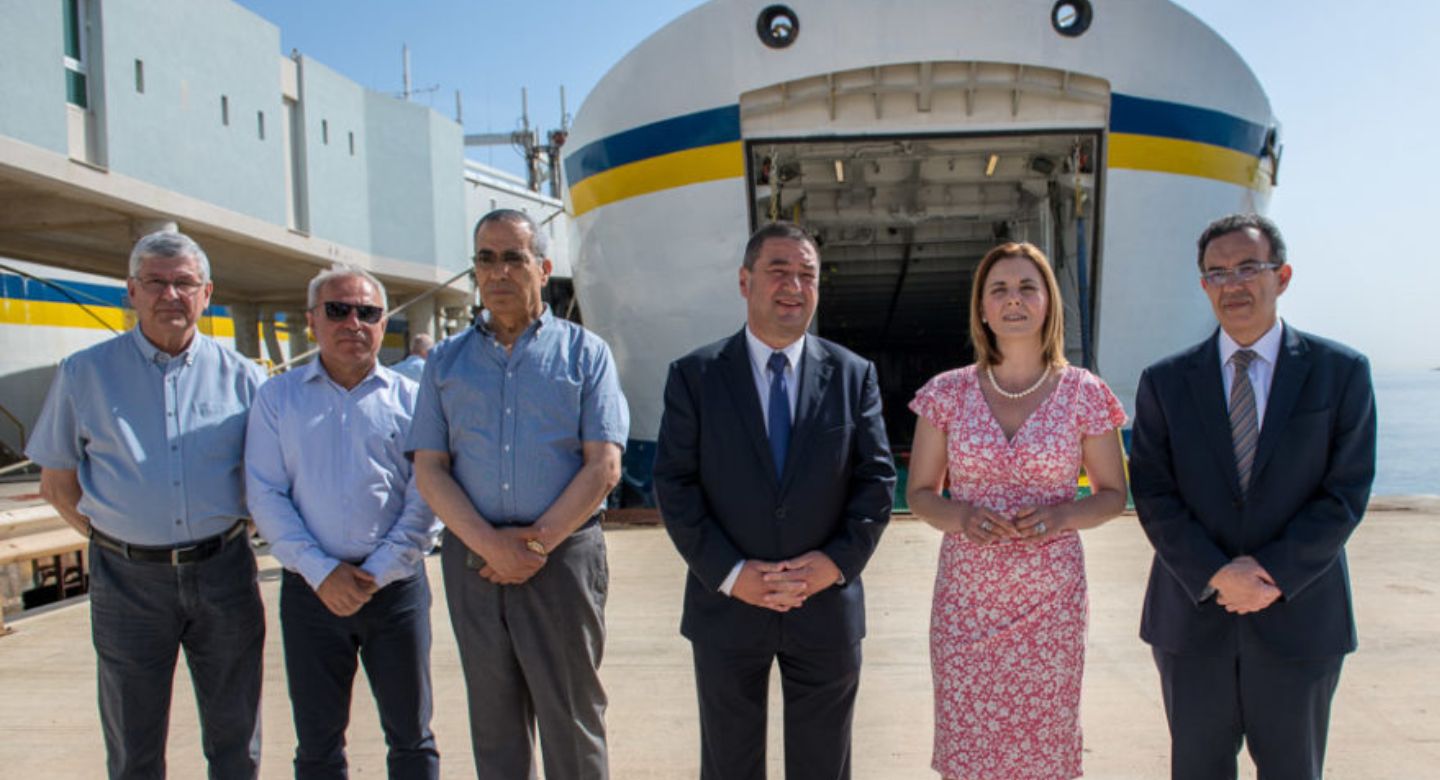
Gozo Channel sources told The Shift that it was evident from day one that the Nikolaus (the additional ship) was never sustainable and is now causing the company significant financial burden.
In the meantime, the three vessels that form the permanent fleet of the Gozo Channel, built in the late 1990s, are ageing, with fuel and repair costs rising each year.
So far, the government has no plan for what will happen in a few years when the vessels will need to be replaced.
Although the privatisation of Gozo Channel is described by many in the industry as a possible long-term solution, the government, particularly the Gozo Ministry, is resisting the possibility due to political consequences mostly related to employment on the sister island.
A Public Service Obligation (PSO) contract regulating the amount of subsidies the government can fork out for Gozo Channel expired in 2017, and no new tender was awarded, despite supposedly stringent EU rules.
Sign up to our newsletter Stay in the know
"*" indicates required fields

Benefit fraud ‘mastermind’ paid €126,000 as TM medical consultant

PA removes Stivala’s illegal paving after chief acknowledged 5,000 cases awaiting direct actio

Watchdog exposes government recruitment chaos but keeps ministries unnamed

PA boss’s manoeuvre is a ‘joke’ – NGOs insist on his exit
Tags
#EU
#finances
#Gozo Channel
#Gozo Ministry
#Joe Cordina
#state aid
#subsidies
Other News
Benefit fraud ‘mastermind’ paid €126,000 as TM medical consultant
PA removes Stivala’s illegal paving after chief acknowledged 5,000 cases awaiting direct actio
Watchdog exposes government recruitment chaos but keeps ministries unnamed
PA boss’s manoeuvre is a ‘joke’ – NGOs insist on his exit

Government’s chief civil servant tells PL president that he has no conflict

No board meetings but still paid from public coffers

Malta’s public healthcare increasingly dependent on foreign workers
Abela’s promised €16.5m racetrack still stuck at the starting line

Restaurant and takeaway prices rise 5.6% as food costs bite

Gaffarena still to pay 2012 fine over illegal Ċavett restaurant site
Delta seeks financial assistance to keep Malta flights in 2027
The reasons Gozo Channel is a loss making entity are well known to the government but that isn’t the full picture. It may “cost” €400 per trip but that is nothing compared to the amount that the people using it contribute to the economy while in Gozo or Malta.
If they spend €200m when dining etc in Gozo and it means employment etc you can’t simply look at the cost to the tax payer as failing to provide a necessary means of travel between the two islands would cost more in terms of lost spending by tourists while on Gozo. You need to look at a bigger picture when deciding on whether €400 per trip is worth it or not.
What you should be concerned with in relation to Gozo Channel and your government is the corruption in relation to the hiring practices and the awarding of contracts to suppliers to Gozo Channel.
It’s like the worst kept secret in Malta. The government or political parties here provide jobs to their friends and family and award contracts on the basis of their cronies winning them and subsequently fleecing the tax payer when the charges as per their tender and contract are not adhered to and those who run companies like Gozo Channel are left paying contracts for much more than the advertised amount.
It happened with the office Gozo Channel rented in Mgarr where they are paying for the renovations to a privately owned premises on return for a couple of months free rent when it’s been over 6 years and they haven’t been able to move into an unfit premises.
Contracts are awarded to different contractors but the same employees have to be transferred to the new company and the same abuses are then brought into the “new” contract as the same relations of the same ministers are still employed.
Nothing will change when you repeat the same mistakes over and over and the Maltese have this attitude that they aren’t changing.
As a foreigner working here I can tell you that they don’t want to modernise because it’s much easier to scam the public coffers when things are done on pen and paper. Even when more efficient ways of doing things are available the attitude is “we’ve done it this way for 40 years and we’re not changing”. Imagine accepting hand written invoices and timesheets in the 21st century. Imagine not wanting to use electronic copies rather than physical copies and having paper files taking up rooms in storage rather than saving an already electronic document to a hard drive. They would rather print them and save a physical copy.
I worked in the Gozo Channel office and I can tell you that they know there are abuses and many at the hands of the government. They have their hands tied to a certain degree as working as a semi government body comes with certain expectations to ignore the corruption that exists. But they are also complicit in it. They know there are abuses and having been someone who identified overcharging by their contractors, it was accepted as part of being a semi government body. They know they could be ran more efficiently but between the government and senior staff who don’t want to implement change they refuse to address any of the problems they know exist. Like most people, they just accept it as “part of your culture” and are resigned to the fact that rather than rock the boat and complain they keep their mouths shut and are happy to take home their pay.
Thank you for your feedback. We’ve reported on much of what you say. We know it’s true.
The so called chairman is the only one which has not been changed since labour was in government. That means something. Corruption all round.
Nothing to do with the labour. It’s to do with the Maltese attitude to work and how they accept nepotism and cronism. They know the abuses are there and no one cares.
“Its part of our culture” is how you are answered when you suggest change. It’s seen as an insult to the Maltese it even suggest there is a better way of doing things.
The only difference a labour government makes is that it’s the labour supporters and Labour ministers family and friends getting the jobs and contracts. If it is was another party they’ll do the exact same thing but for their supporters and family and friends. It’s how Malta works and as I said it’s the worst kept secret in Malta. Everyone knows it happens and nobody gives a Fcuk.