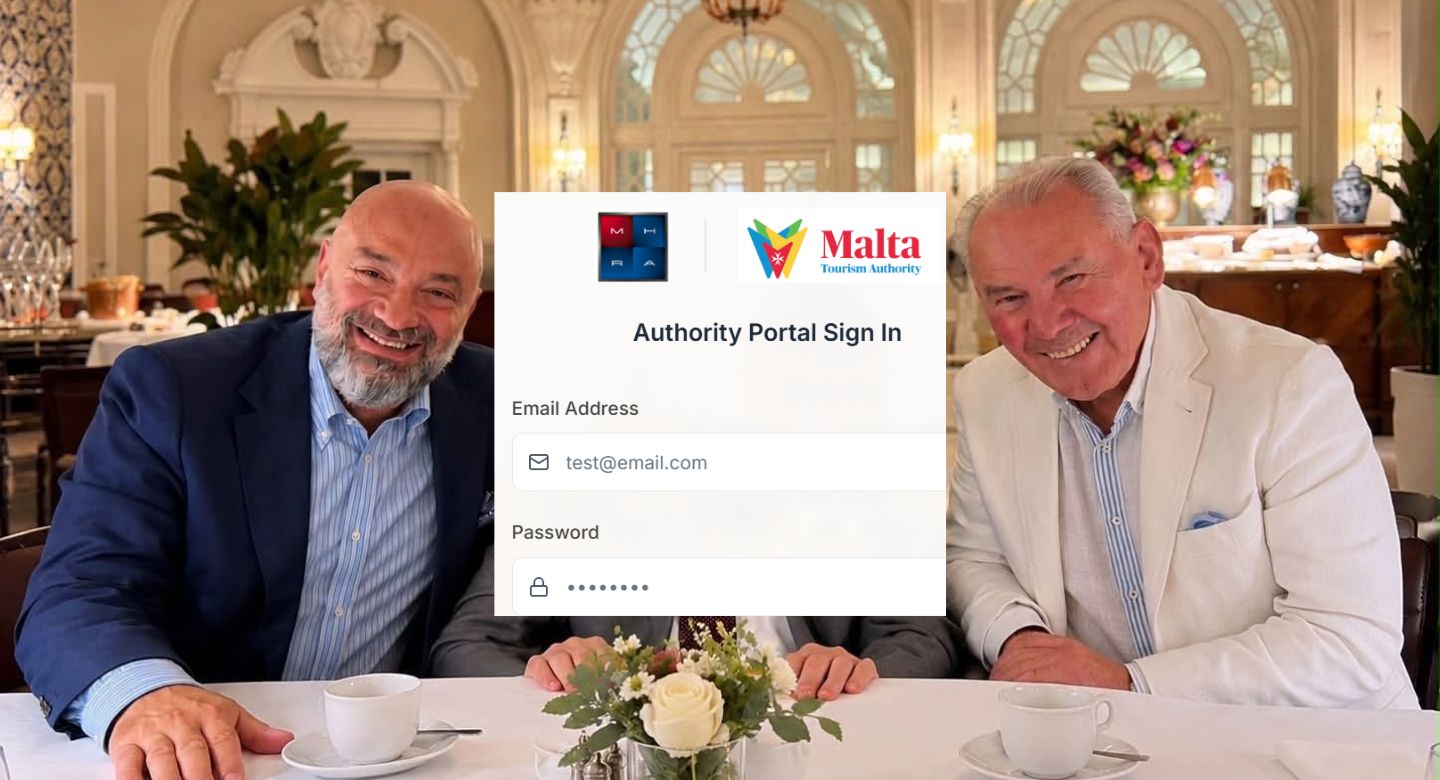

Several tourism operators are refusing to cooperate with the MHRA-administered eco-tax reporting system amid fears that commercially sensitive information could become accessible to competitors, while Finance Minister Clyde Caruana and the hoteliers’ lobby remain tight-lipped about their secret agreement.
Owners of short-let apartments, Airbnb properties and hotels have told The Shift they object to submitting business information through a system involving an association whose leadership has direct commercial interests in the industry.
“We are not going to give our commercial data to Tony Zahra,” operators told The Shift, referring to the MHRA president and other members of the Council, whose business interests include tourism and financial services.
Their resistance adds a new dimension to the controversy surrounding the unprecedented government’s decision to involve the Malta Hotels and Restaurants Association in administering a statutory tax.
Despite requests for disclosure, Caruana and the MHRA continue to withhold the agreement. Its financial terms and specific safeguards against conflicts of interest remain undisclosed.
Operators said they were initially asked to connect their booking systems directly to the eco-contribution platform administered by the MHRA. Several rejected the request, questioning the access this would provide to their business information.
Their concerns centre on who can see booking and occupancy data, how it is used, and what prevents it from becoming commercial intelligence for an organisation representing competing businesses.
The resistance concerns reporting arrangements and access to information. Accommodation providers remain legally obliged to collect and remit the contribution.
The Shift is informed that operators are also raising complaints with the tourism and finance authorities and the data protection regulator over confidentiality and data handling. These complaints do not, in themselves, establish a data-protection breach.
The Shift previously revealed that MHRA signed its administrative agreement with the Malta Tourism Authority in April 2026, weeks before the elections.

MHRA CEO Andrew Agius Muscat confirmed that the association supports “reporting, reconciliation, collection, and related operational processes”.
He insisted that contributions go directly into MTA’s bank account and that “there is absolutely no distinction between members and non-members”.
Those assurances do not explain who within MHRA and its contractors can access operators’ information, how access is monitored, or what separates tax administration from lobbying.
The Shift has also asked MHRA and the government who can access operators’ data and what safeguards protect it from commercial or lobbying use. Neither has replied to those questions.
MHRA also declined to disclose its remuneration. Agius Muscat said the arrangement was “structured around measurable improvements in collection revenues against historical levels”, without explaining the payment formula.
The association acknowledged requesting a review to prevent higher tariffs producing “any unintended benefit to MHRA”.
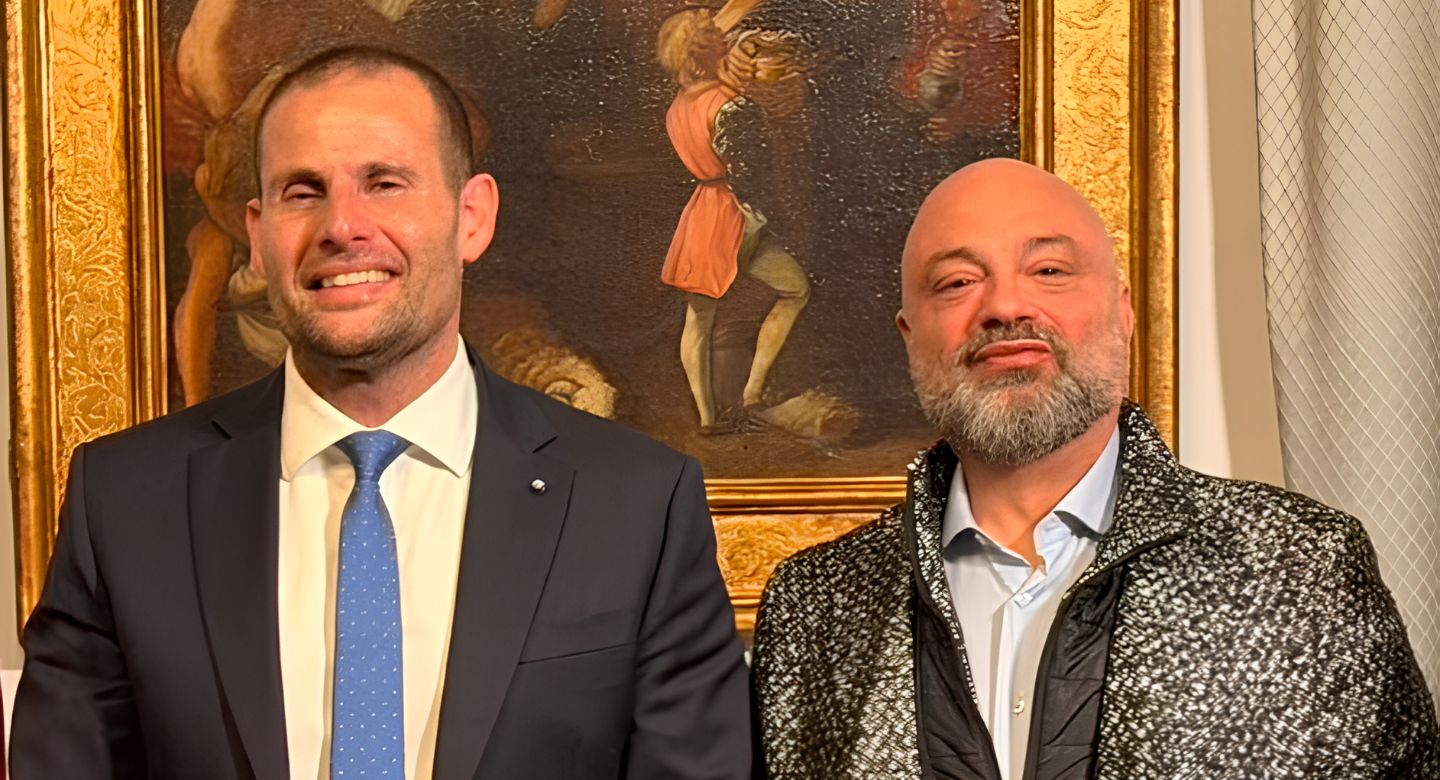
ADPD has filed Freedom of Information requests seeking the agreement.
Caruana and MHRA remain tight-lipped. Neither has published the document that would allow scrutiny of its financial terms, data safeguards and accountability provisions.
So far, the PN Opposition has not commented on the arrangement and recent revelations.
Sign up to our newsletter Stay in the know
"*" indicates required fields

‘Sleeping with Johann’: Walliams faces sexual misconduct allegations after years hosting Malta galas


Archaeologist replaces engineer at energy regulator – The Shift report confirmed

‘Clyde ignored Evarist Bartolo’ – Education Ministry insiders
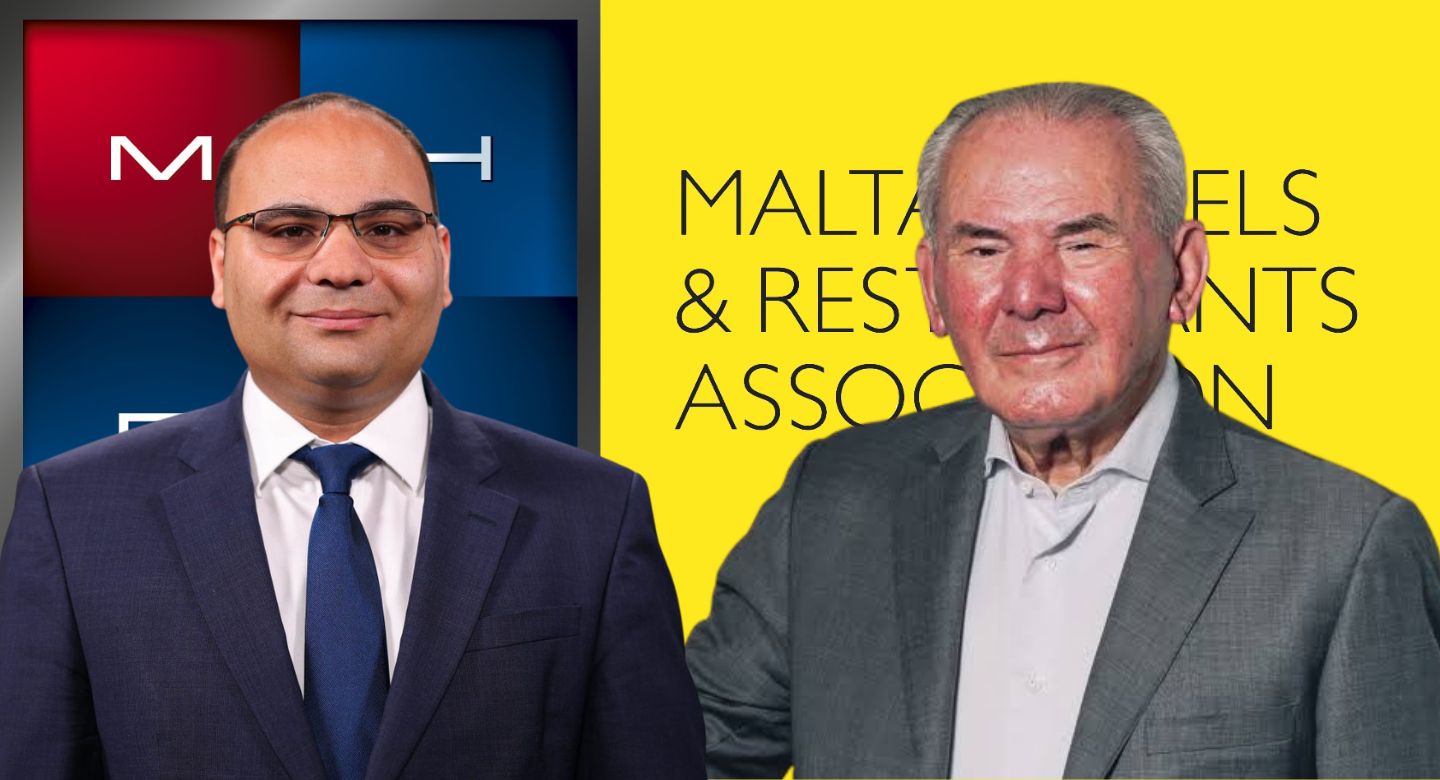
Greens demand secret MHRA tax deal through FOI
Tags
#Andrew Agius Muscat
#Clyde Caruana
#eco tax
#MHRA
#secret arrangement
#Tony Zahra
Other News
‘Sleeping with Johann’: Walliams faces sexual misconduct allegations after years hosting Malta galas
Archaeologist replaces engineer at energy regulator – The Shift report confirmed
‘Clyde ignored Evarist Bartolo’ – Education Ministry insiders
Greens demand secret MHRA tax deal through FOI
From Labour’s campaign to top PBS job on Castille’s orders

Malta attracting lower quality tourism – Fiscal Council

Mistake could cost Corinthia millions in catering contract
Publish secret MHRA tax deal, ADPD demands

Caruana shifts blame over population boom as sources point to Muscat
Architect turned Bidnija ‘farmer’ still doing as he pleases
Revealed: Hotel lobby MHRA is getting a cut from tourism eco tax