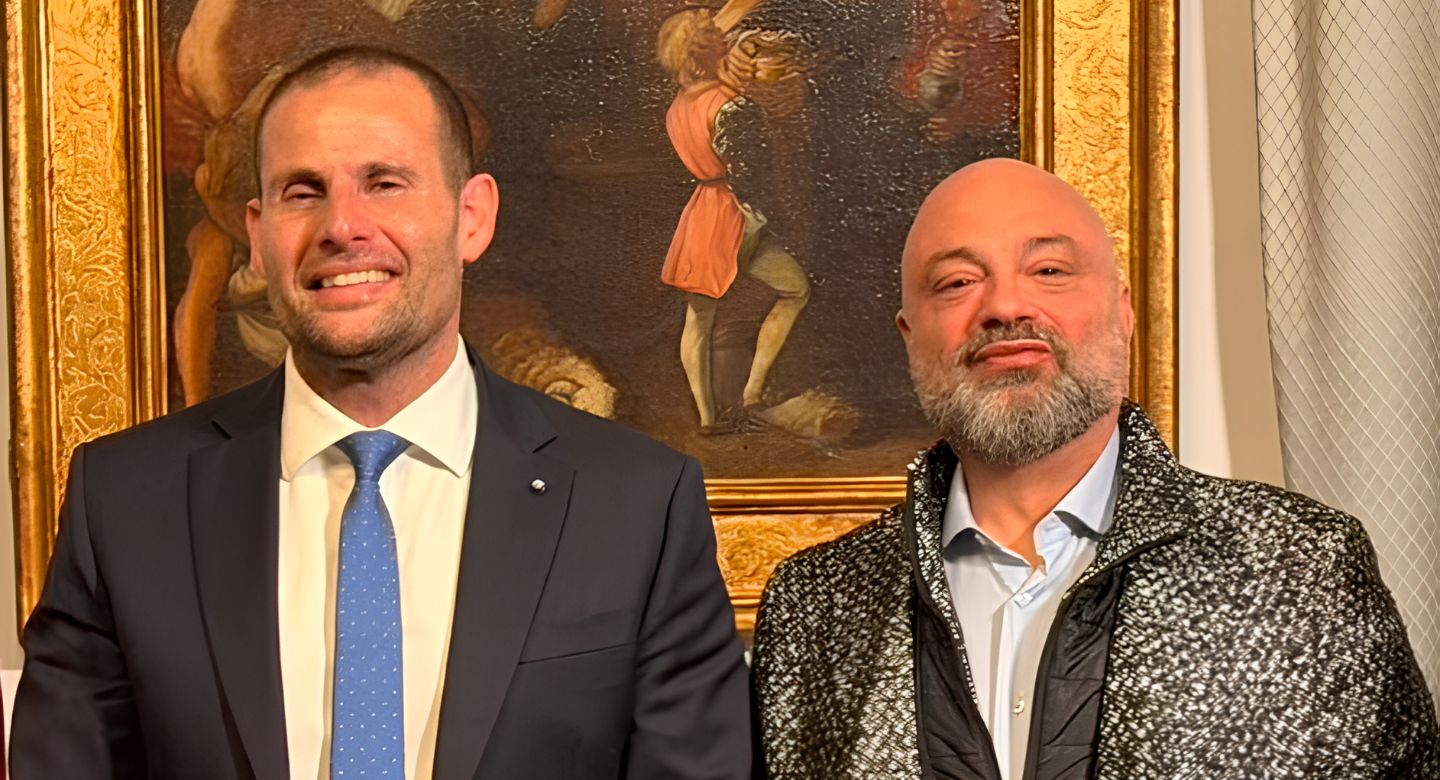

ADPD has demanded the immediate publication of the government’s agreement allowing the hoteliers’ lobby to help administer Malta’s tourism eco-tax while keeping its financial terms under wraps.
Reacting to The Shift’s investigation, party chairperson Sandra Gauci questioned how the Malta Hotels and Restaurants Association (MHRA) could represent accommodation businesses while also administering a tax those same businesses must collect and pay.
“It is unacceptable that a lobby group representing the commercial interests of businesses operating in the tourist accommodation industry should also be given a role in administering a tax that its own members are obliged to collect and pay,” Gauci said.
“This raises serious questions about conflicts of interest and transparency.”
The Shift revealed that MHRA signed an administrative agreement with the Malta Tourism Authority in April 2026, just a few weeks before the elections. The association confirmed its involvement but did not disclose its remuneration or supply the agreement despite explicit requests.
MHRA president Tony Zahra confirmed the arrangement but declined to provide financial details.
CEO Andrew Agius Muscat said the arrangement was “structured around measurable improvements in collection revenues against historical levels”. He did not explain whether MHRA receives a fixed fee, a percentage, reimbursements or another form of payment.
The association’s role includes supporting reporting, reconciliation, collection and related operations. It insists that payments go directly into MTA’s bank account and that members and non-members receive equal treatment.
Questions sent to Finance Minister Clyde Caruana and MTA went unanswered.
Gauci said withholding details of any potential financial benefit made the situation “even more unacceptable”.
ADPD also claimed councils facing tourism’s pressures had received none of the promised 50 cents from every €1.50 contribution.
The party wants the full announced nightly charges of €8 for hotels and €10 for short-term rentals allocated to councils for pavements, public spaces and waste management.
MHRA has publicly opposed the increases. Yet it also acknowledged requesting a review of its agreement to prevent the budget changes from producing “any unintended benefit to MHRA”.
That admission makes disclosure of the financial formula particularly pressing.
“Money collected from tourists should go back to the people and their localities,” Gauci said.
The government and MHRA have yet to explain publicly why an arrangement involving statutory revenue should remain beyond public scrutiny.
Sign up to our newsletter Stay in the know
"*" indicates required fields

Caruana shifts blame over population boom as sources point to Muscat

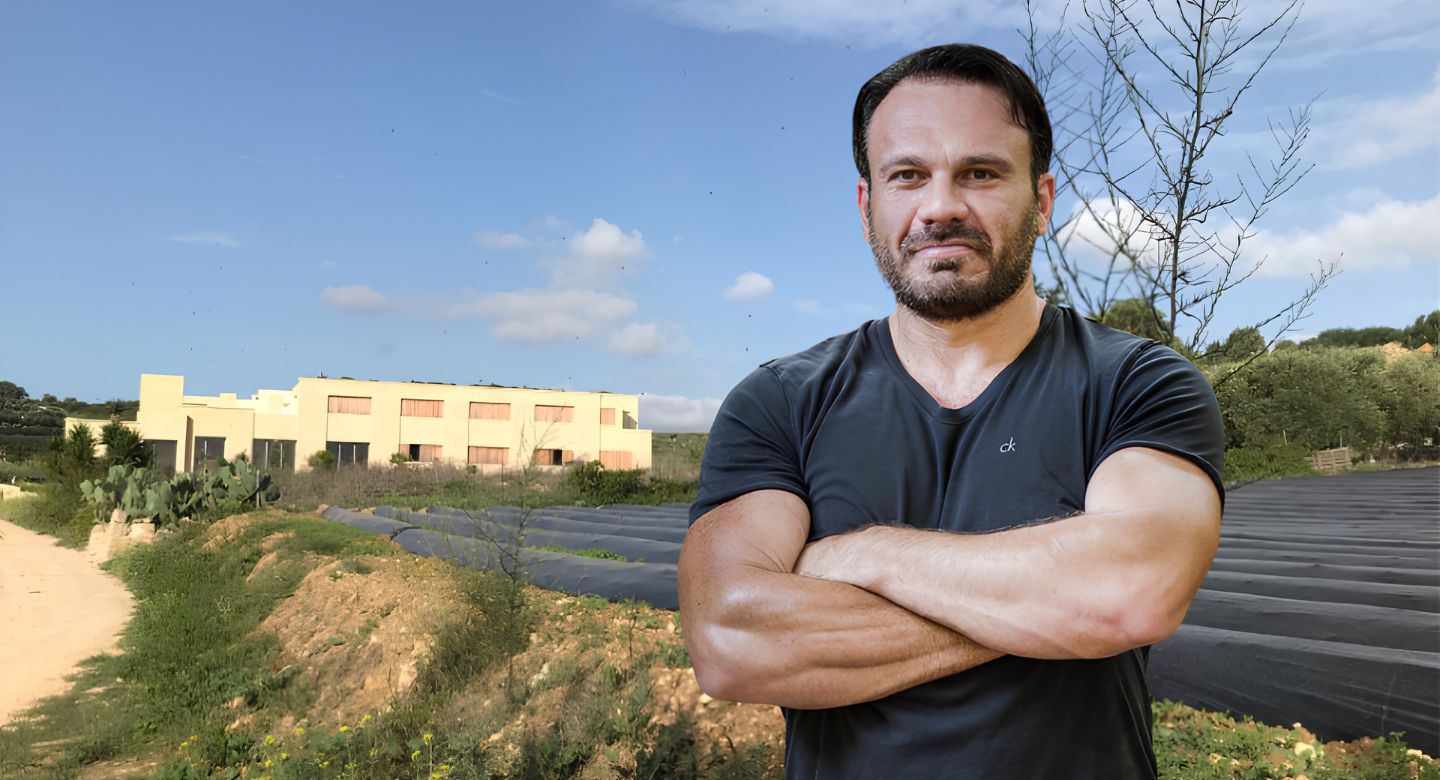
Architect turned Bidnija ‘farmer’ still doing as he pleases
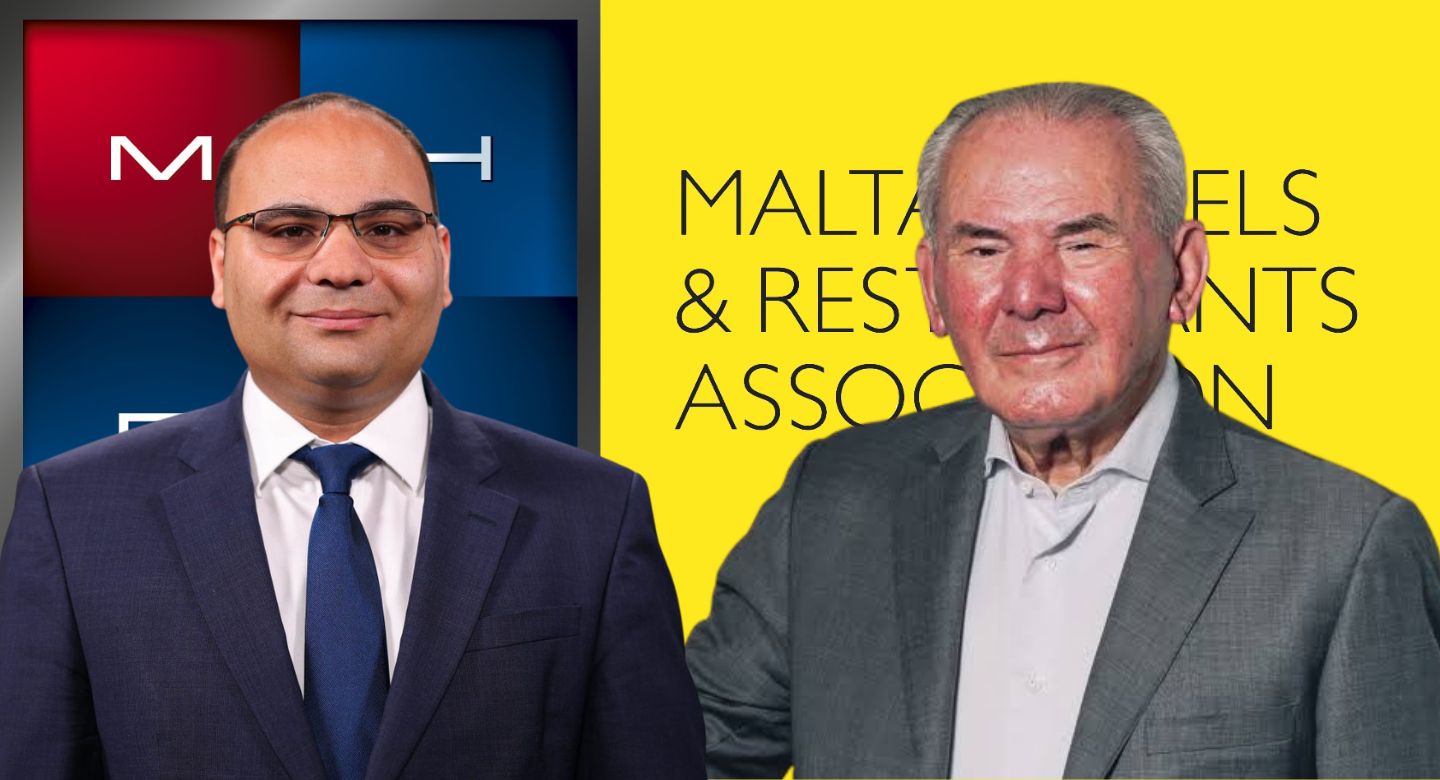
Revealed: Hotel lobby MHRA is getting a cut from tourism eco tax
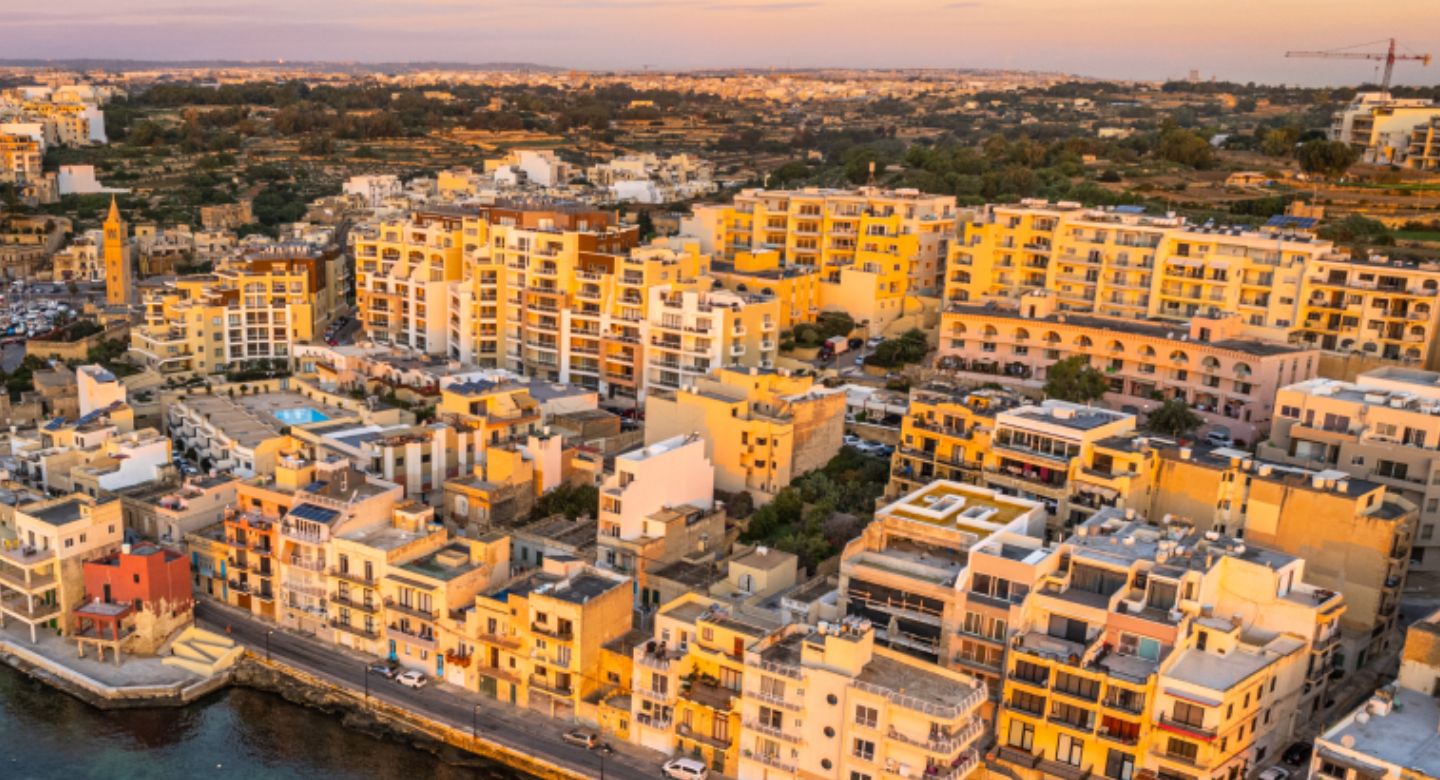
Looking for cheaper rent? Buġibba, Marsaskala, Birzebbuga, best options
Tags
#Andrew Agius Muscat
#eco tax
#MHRA
#secret deal
#Tony Zahra
Other News
Caruana shifts blame over population boom as sources point to Muscat
Architect turned Bidnija ‘farmer’ still doing as he pleases
Revealed: Hotel lobby MHRA is getting a cut from tourism eco tax
Looking for cheaper rent? Buġibba, Marsaskala, Birzebbuga, best options

Transport Malta splashes €2.24 million in consultancy payments

Melo Hili moves his shares in tech company

Court rebukes Marsaxlokk project delays, awards holiday apartment operator €8,332

WasteServ’s ‘lowest waste’ claim leaves out a mountain of rubble
Abela creates €106,000 Libya role for former Ambassador after lobbying campaign
School laptop promise falters as supplier cannot honour prices

PN shadow Minister refuses to apologise following breach of ethics complaint by Caruana Galizia
