

Finance Minister Clyde Caruana is shifting responsibility for Malta’s population boom onto warnings ignored under disgraced former prime minister Joseph Muscat, despite helping build the economic model and holding the finance portfolio since November 2020.
Senior government sources told The Shift that Muscat blocked Cabinet discussion of Caruana’s population growth report, instructing then Cabinet secretary Mario Cutajar not to put it on the agenda.
The sources said Muscat was the person both former minister Evarist Bartolo and Caruana were referring to when discussing the shelved warning.
Their account identifies an alleged decision by the former disgraced PM to prevent Cabinet consideration. But it does not explain Caruana’s decisions during six years as finance minister under Robert Abela.
Caruana has long been associated with recruiting foreign workers to sustain economic expansion. In his Times of Malta interview, he acknowledged advocating bringing in 10,000 foreign workers when Maltese labour supply could no longer meet demand.
He now presents himself as the economist who recognised the consequences, warned his superiors and was left to absorb criticism when nobody listened.
Caruana said his nearly 300-page report, completed in 2018 while he was Jobsplus chief executive, anticipated pressure on housing, hospitals, schools and roads. He did not publish his report.
Bartolo first publicised the damning episode, saying somebody had told Caruana to “burn” the report. The sources’ allegation about excluding it from Cabinet’s agenda does not establish that Muscat used those words.
Asked by The Shift about information that he had instructed officials to ignore the report, Muscat replied:
“Clyde Caruana said nothing of the sort, and I am not interested in replying to your question on a Sunday afternoon.”
“You might want to report what I have answered to another media,” he added. Muscat did not repeat his answers to other media.

Caruana’s own account now casts him as an ignored adviser now trying to correct the problem. Missing is an explanation of what he did after taking charge of government finances to change the model he helped establish.
His latest budget measures, whch he imposed in agreement with Robert Abela, place additional costs on non-EU workers, supposedly to discourage employers from relying on imported labour and encourage investment in productivity.
Yet employers are not obliged to cover their workers’ new charges. Employees could shoulder the burden, while costs absorbed by businesses could be passed to consumers through higher prices.
Since Labour returned to power in 2013, reliance on imported labour has expanded dramatically, underpinning an economic model built on continually increasing the workforce on cheap labour. Official figures show Malta’s population rose from 428,156 in 2013 to 574,250 in 2024 – an increase of 34%.
Caruana’s own account suggests the government continued pursuing that growth despite warnings about its consequences. He was part of the machinery that built the model and, since 2020, the minister responsible for the country’s finances.
Sign up to our newsletter Stay in the know
"*" indicates required fields
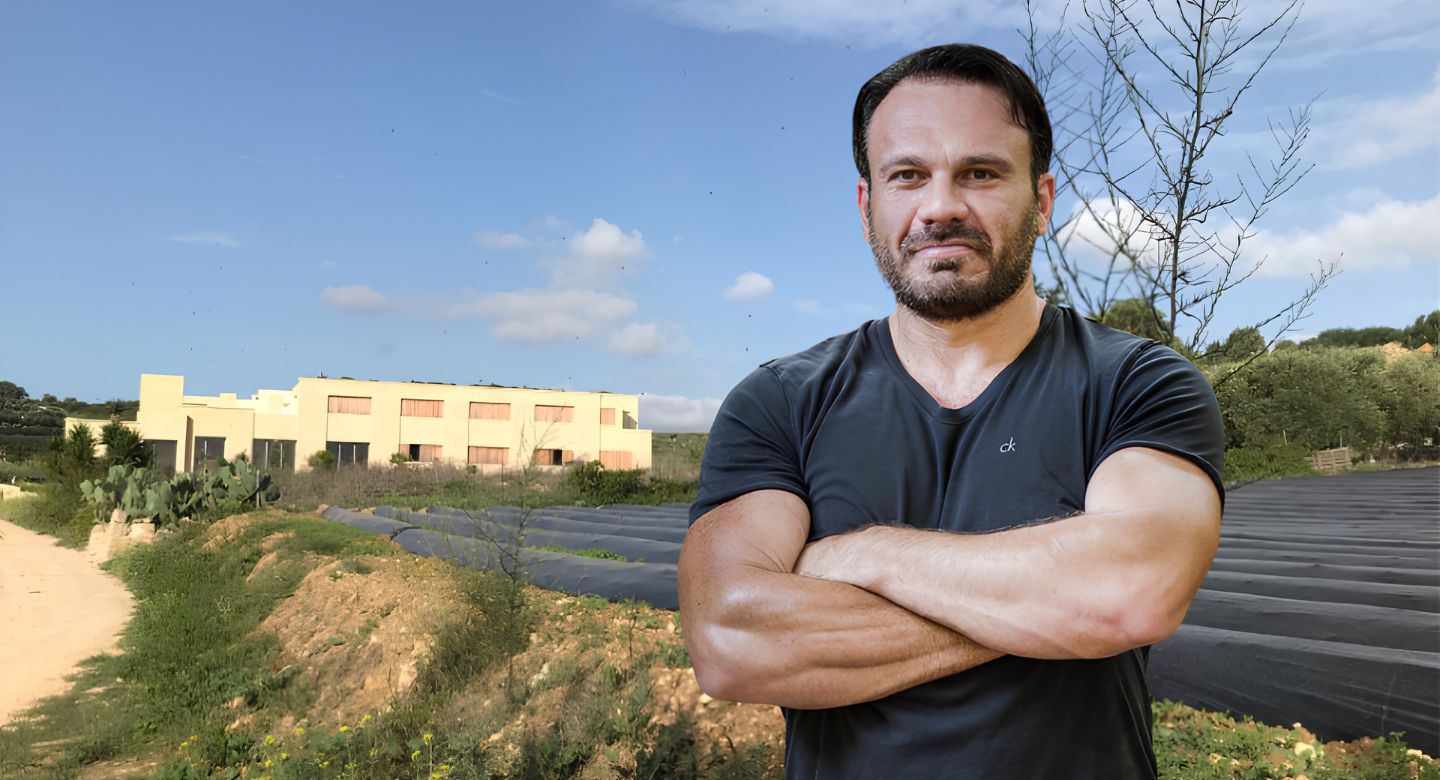
Architect turned Bidnija ‘farmer’ still doing as he pleases

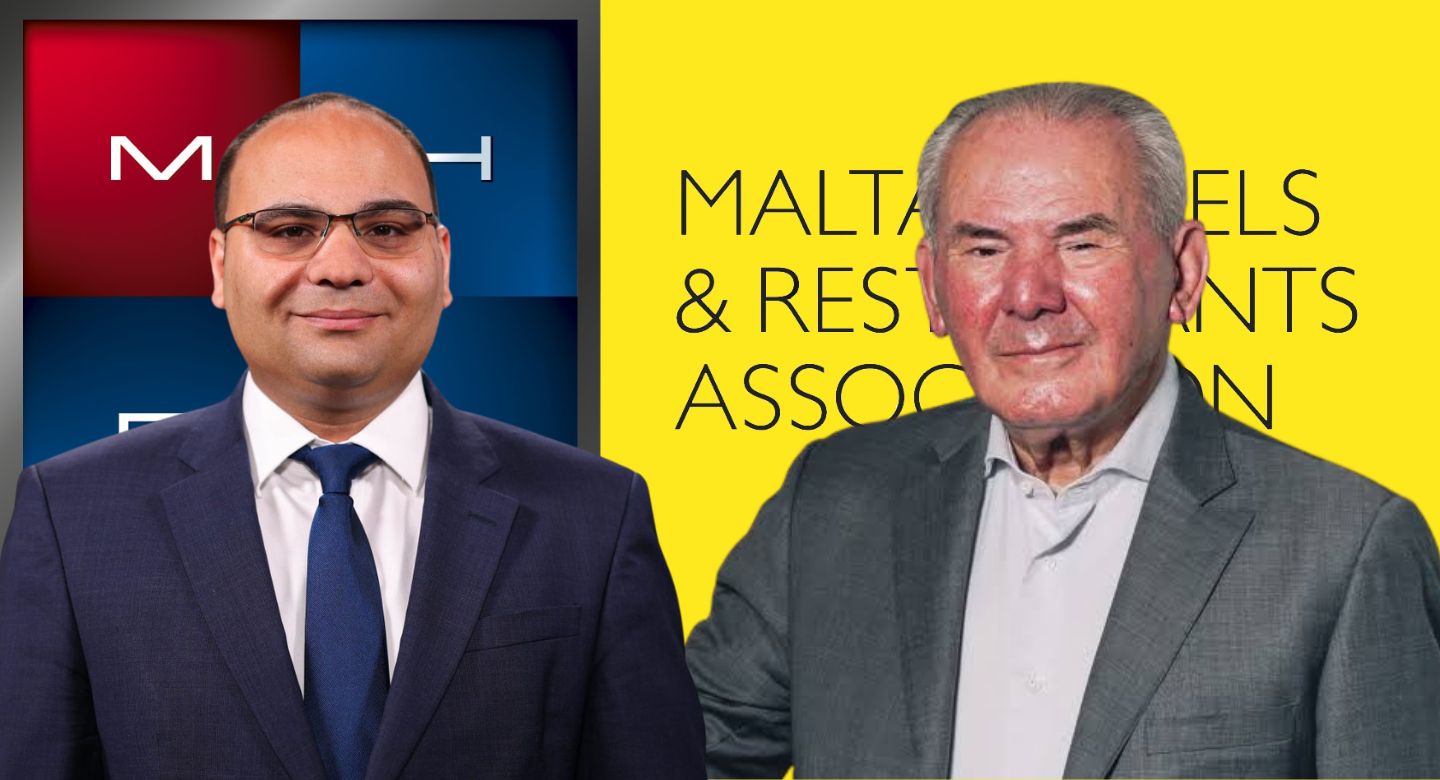
Revealed: Hotel lobby MHRA is getting a cut from tourism eco tax
Looking for cheaper rent? Buġibba, Marsaskala, Birzebbuga, best options

Transport Malta splashes €2.24 million in consultancy payments
Tags
#Clyde Caruana
#economic model
#Joseph Muscat
#Robert Abela
Other News
Architect turned Bidnija ‘farmer’ still doing as he pleases
Revealed: Hotel lobby MHRA is getting a cut from tourism eco tax
Looking for cheaper rent? Buġibba, Marsaskala, Birzebbuga, best options
Transport Malta splashes €2.24 million in consultancy payments

Melo Hili moves his shares in tech company

Court rebukes Marsaxlokk project delays, awards holiday apartment operator €8,332

WasteServ’s ‘lowest waste’ claim leaves out a mountain of rubble
Abela creates €106,000 Libya role for former Ambassador after lobbying campaign
School laptop promise falters as supplier cannot honour prices

PN shadow Minister refuses to apologise following breach of ethics complaint by Caruana Galizia

‘Tiger man’ to have more of his illegal zoo regularised by PA
