

On 2 September 2026, the jury acquitted Yorgen Fenech of complicity in the murder of Daphne Caruana Galizia and of criminal association to commit murder.
Do I agree with the verdict? Totally irrelevant: the fact remains, it must be said, that the jury clearly believed Fenech when he testified that he was not the man behind the murder, and as things stand, there’s an end to it as far as he is concerned.
First, a very brief note of personal explanation. Throughout the trial, I did not publish a single comment. That was not timidity and it certainly was not indifference. A jury trial must take place in the courtroom, on admissible evidence and under the judge’s directions — not in newspaper columns or in the cesspit Facebook.
There was also the drearily predictable certainty that Super One would seize upon anything I wrote and try to turn commentary into interference. This is, after all, the station that considered even my tiny, inconsequential altercation with a court usher useful material. Why offer it an excuse to shout about prejudice while jurors were still listening to evidence?
The acquittal means only that Yorgen Fenech, and Yorgen Fenech only, has been found not guilty. If anything, it means that the unfinished task is now even more urgent: those truly responsible must be identified, prosecuted and hammered by the evidence and the law, without protection from anybody.
Daphne was and remains right.
She was and remains right about the system: the suffocating intimacy between political power, big money, compromised institutions and the propaganda machine deployed against anyone impertinent enough to describe what was happening in plain language.
“There are crooks everywhere you look now. The situation is desperate.” Nearly nine years later, what we heard during the trial confirmed this starkly and vividly.
We, at least those of us who do not pretend to be extraneous to reality (yes, Robert Abela, I do mean you) saw a web of names, accusations, denials, recordings, missing devices, private messages, messengers and competing accounts. One man named another, who named another, while fingers were pointed at yet others.
The evidence raised a mountain of unanswered questions, and not questions that the jury was called upon to answer, for all that the way they answered the question put to them gives me pause for thought as to who should be under suspicion and very, very detailed scrutiny.
I’m not holding my breath, but members of ‘’Royalty’’ must be feeling their crowns slipping slightly, now that the jury seems to have believed Fenech. Now questions have to be put, clearly and repeatedly, to those who held power or stood close enough to it to feature in this extraordinary network.
Keith Schembri must answer for the allegations against him, the confidential information around him and the sharply conflicting evidence about messages and documents. Joseph Muscat must at least answer politically for the system he led, for keeping Schembri at the centre of government, and for the culture the public inquiry found had enabled impunity.
Former police commissioner Lawrence Cutajar must answer for what occurred under his command and for the leak allegations he denies. Adrian Vella and former senior police officer Silvio Valletta must each answer for their separate roles and relationships where the evidence or prior findings require it.
Others named during the proceedings must be judged by evidence, not slogans — but judged they must be.
The 2021 Public Inquiry found that the State bore responsibility for creating the culture of impunity within which the assassination became possible. That conclusion remains valid, even more so after what we’ve heard.
Fenech leaves this trial acquitted, and that verdict must be respected. The prior convictions of the men who executed and supplied the bomb do not answer the question about who commissioned the assassination, who knew, who leaked, who obstructed or who mistook public office for a protection racket.
Malta cannot simply shrug and walk away. The people truly responsible must be pursued relentlessly — hammered by proper investigation, admissible evidence and the law — and protected by no politician, party official, police officer, businessman or institution.
Daphne was right about the crooks. She was right about the protection. She was right about the cost of letting power answer scrutiny with intimidation. Justice for her will not be complete when one courtroom empties. It will be complete when nobody, however well connected, can rely on the State, a party or a propaganda station to make the questions go away.
Sign up to our newsletter Stay in the know
"*" indicates required fields
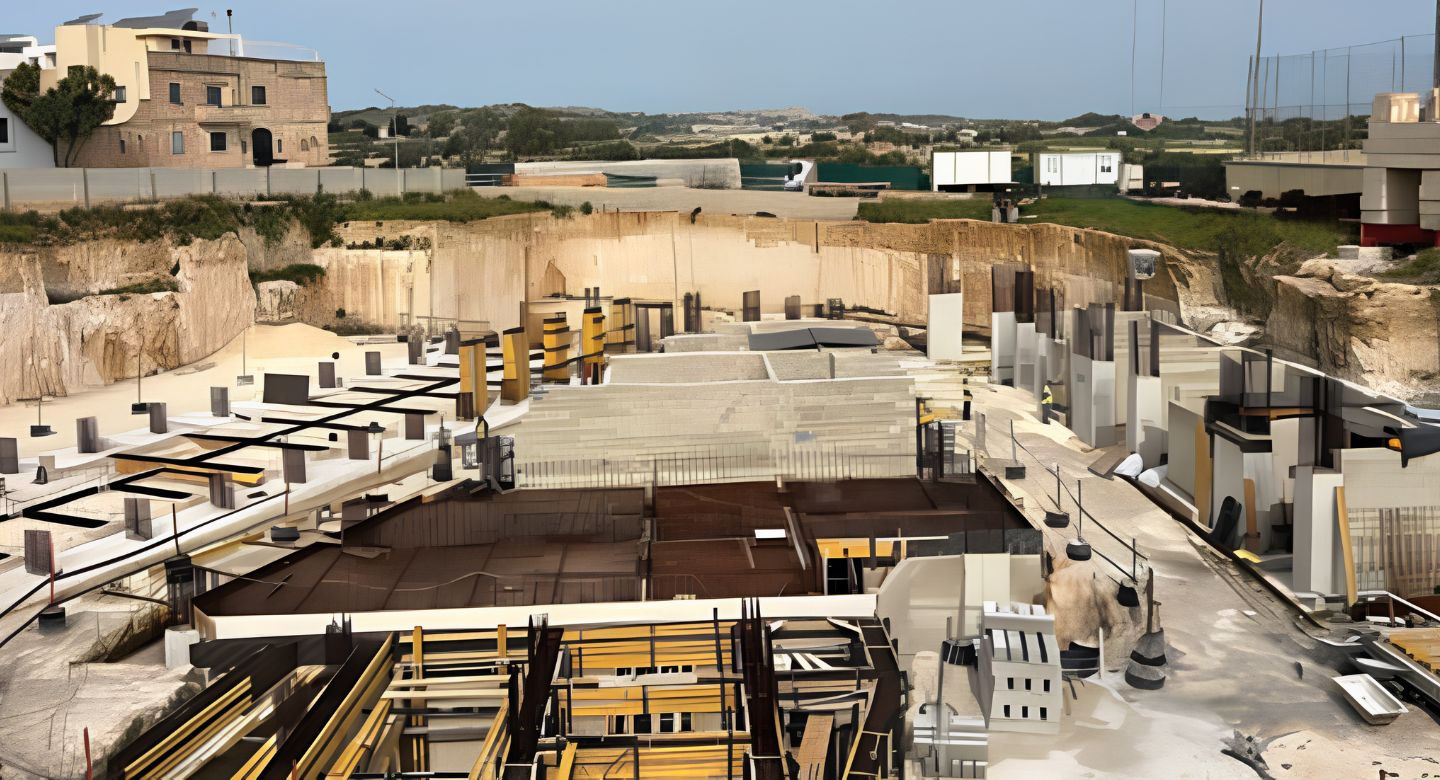
Terminated Housing Authority contractor formed company months before €6.5m Siġġiewi contract
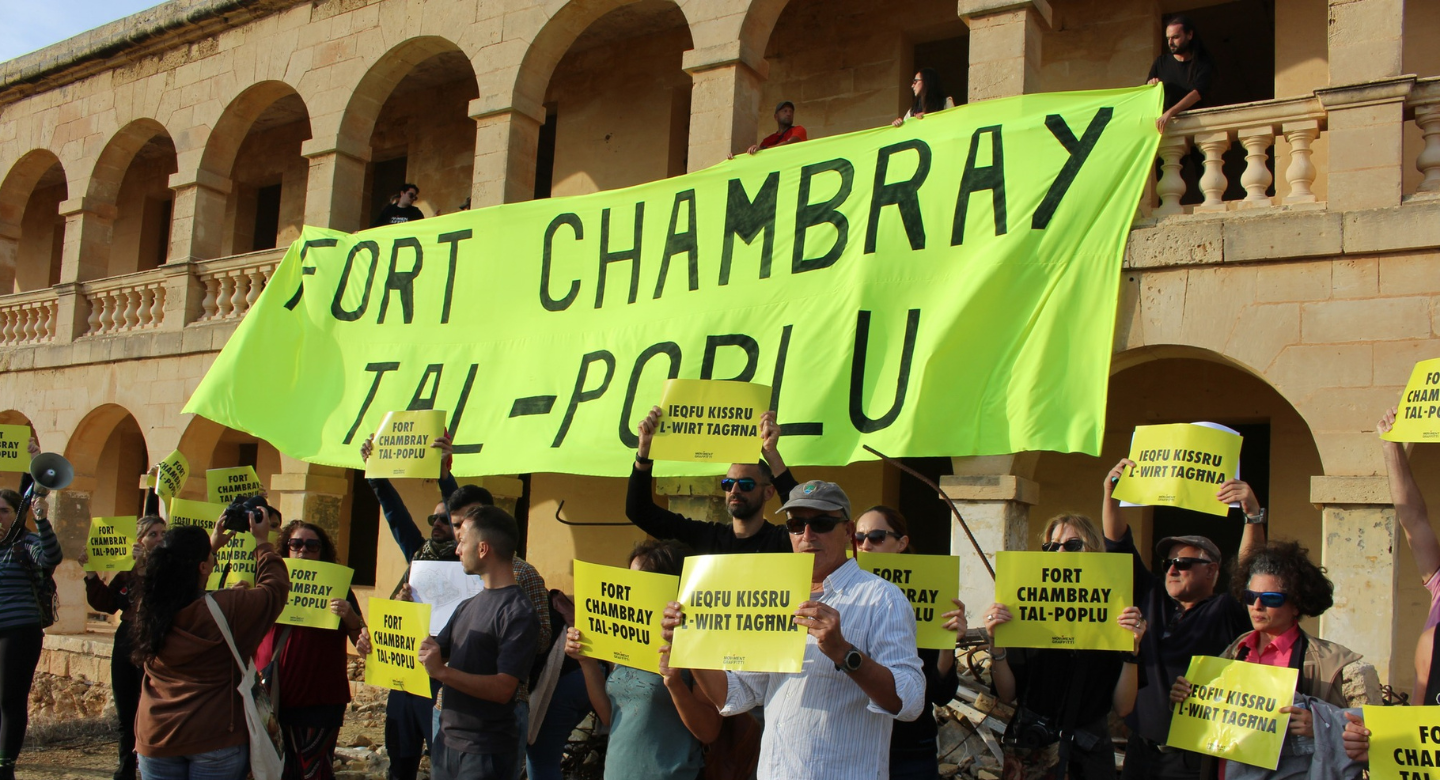
Government makes U-turn on Chambray, leaves protection and public access unclear


Dalli’s trusted aide leaves regulator after clash over interference

Dripping poison
Tags
#Daphne Caruana Galizia
#trial
#verdict
#Yorgen Fenech
Other News
Terminated Housing Authority contractor formed company months before €6.5m Siġġiewi contract
Government makes U-turn on Chambray, leaves protection and public access unclear
Dalli’s trusted aide leaves regulator after clash over interference
Dripping poison

Rare PL-PN unity as Siġġiewi vows to stop crematorium

MeDirect rejects bond disclosure allegations, warns Vaswani of damages claim
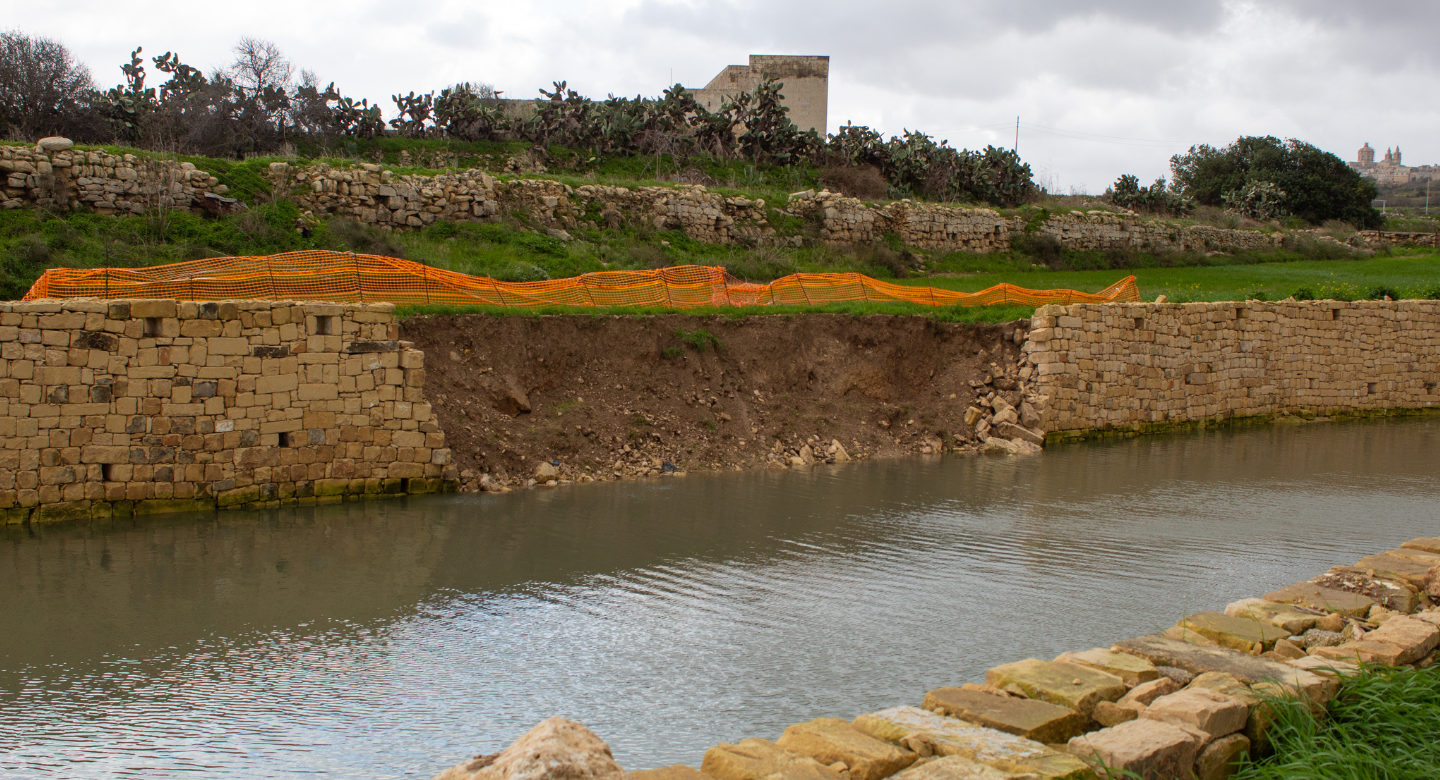
Dalli finds the culprit of Wied Speranza: water in a valley
Pama directors’ bonuses rise 21% as operating profit falls
Clyde Caruana livid as Lydia crosses the line

Minister ordered to appoint Luke Dalli as PBS deputy chairman

Kurt Farrugia ‘forgot’ to publish direct orders

IN MY OPINION, THE JURY WAS WRONG ON ONE COUNT, THAT OF ASSOCIATION.
IF HE WAS NOT ASSOCIATED, WHY DID HE PAY €150 THOUSAND TO THE MURDERS? WHY DID HE TRY TO ESAPE MALTA?
THESE ARE NOT ACTIONS OF AN INNOCENT MAN!
Nothing will come out of it in this amoral country where only money counts
I hope the PN starts getting more specific on what needs to be done with clear timeframes ..enough of this prudent and cautious bullshit now. It is time for results. I only hope that in the opinion polls Abela is probably conducting to sound out the country’s mood, he gets a clear response in terms of a paradigm shift in the overall sentiment of the silent majority. The the question for him would be: does he really want this crisis to overshadow the rest of his tenure, which has only just started ?
In my opinion ,the jury missed the wood for the threes. This wasn’t by coincidence. It was part of the defence plan. The defence wanted to distract the jury from knowing the facts about Fenech. The facts about Fenech were there to see. Thousands of people knew about them, but not the jury.
I have no doubt that the Judge and jury did what was required of them by law. The stark fact is that the Prosecution failed to prove its case beyond reasonable doubt. Considering that it took the Police and the AG more than six years to build up their case one would reasonably ask whether inefficiency , incompetence or obstruction of justice contributed to the result. In any case what has been revealed is shocking. The real mastermind still has to be identified and properly indicted.