
The murder trial of Yorgen Fenech hangs in the balance after his lawyers formally asked the court to discharge the jury and dissolve proceedings over jurors’ access to hundreds of media headlines through tablets supplied to them during the trial.
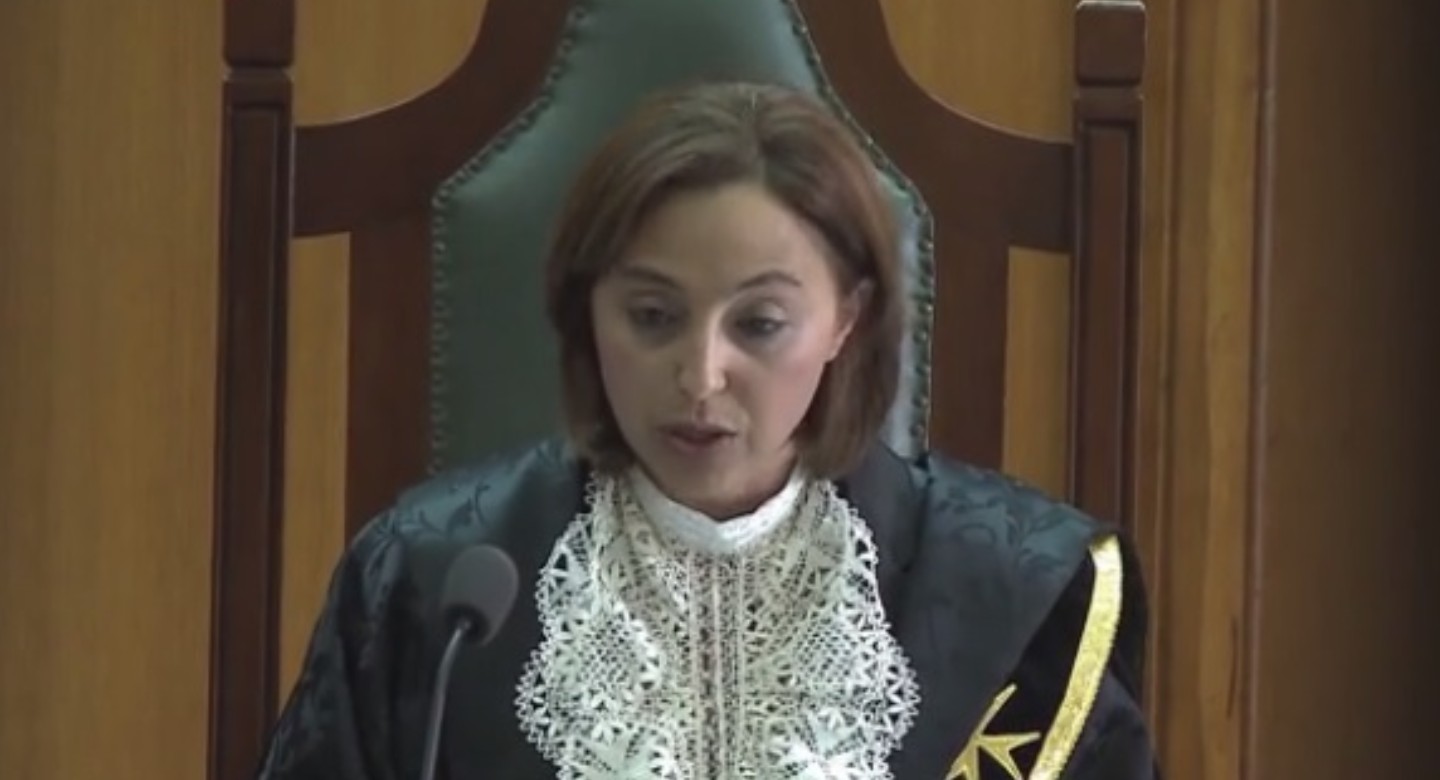
Judge Edwina Grima is expected to deliver a decision on the request on Friday afternoon after hearing lengthy submissions from the defence and prosecution.
The application follows evidence by court-appointed IT expert Martin Bajada, who examined the tablets after concerns emerged that jurors could access outside information despite being sequestered throughout the trial.
Bajada identified 489 headlines over nine days, although he said there was no evidence showing that jurors had actually viewed each one. He had also testified that he found nothing potentially prejudicial other than a headline regarding Fenech’s request for a presidential pardon.
Defence lawyer Charles Mercieca argued that the ability to access the material fundamentally undermined the purpose of keeping jurors isolated from outside influences.
He cited several headlines accessible on the tablets, including reports and opinion pieces on Fenech, disgraced former prime minister Joseph Muscat, former chief of staff Keith Schembri, and the Caruana Galizia murder.
Among the material cited was a Daphne Caruana Galizia Foundation headline, “How corrupt influence enabled murder”, as well as a Times of Malta editorial headlined “Muscat cannot rewrite the history of Daphne’s murder”.
Mercieca argued that some of the material contained opinions or referred to issues which were not evidence before the jurors.
He said the purpose of sequestration was precisely to ensure that jurors reached their verdict solely on what they heard and saw in the courtroom.
“The situation is simply too problematic to ignore,” Mercieca told the court, acknowledging that dissolving the trial at such an advanced stage would be uncomfortable for everyone involved.
The prosecution strongly opposed the request.
Prosecutor Anthony Vella stressed that Bajada’s investigation established what headlines could have appeared on the tablets rather than proving which ones the jurors actually saw.
He also argued that the headlines generally reflected matters already discussed during proceedings. In relation to the presidential pardon, the prosecution said the headline appeared after jurors had already watched Fenech’s audiovisual police statement, in which the pardon was mentioned.
Vella described dissolving the trial because jurors could have encountered the headlines as an “insult to the jurors” after everything they had gone through.
Instead, he argued, the judge could instruct jurors before deliberations to disregard anything they may have seen outside the courtroom and base their verdict exclusively on the evidence presented during the trial.
The prosecution also cited previous judgments stressing that courts should exercise great caution before dissolving a jury and argued that the defence would need to establish the possibility of irremediable prejudice.
The controversy comes as the prosecution has formally closed its case following weeks of testimony, with the defence now due to begin presenting its evidence.
Judge Grima adjourned proceedings until 2.30pm, when she is expected to decide whether the trial will continue or whether the jury must be called off.
Sign up to our newsletter Stay in the know
"*" indicates required fields

Kurt Farrugia ‘forgot’ to publish direct orders

Malta increases its dependency on imported electricity as population surges

Turkish bank fails to lift €25 million security tied to Shoreline’s dispute
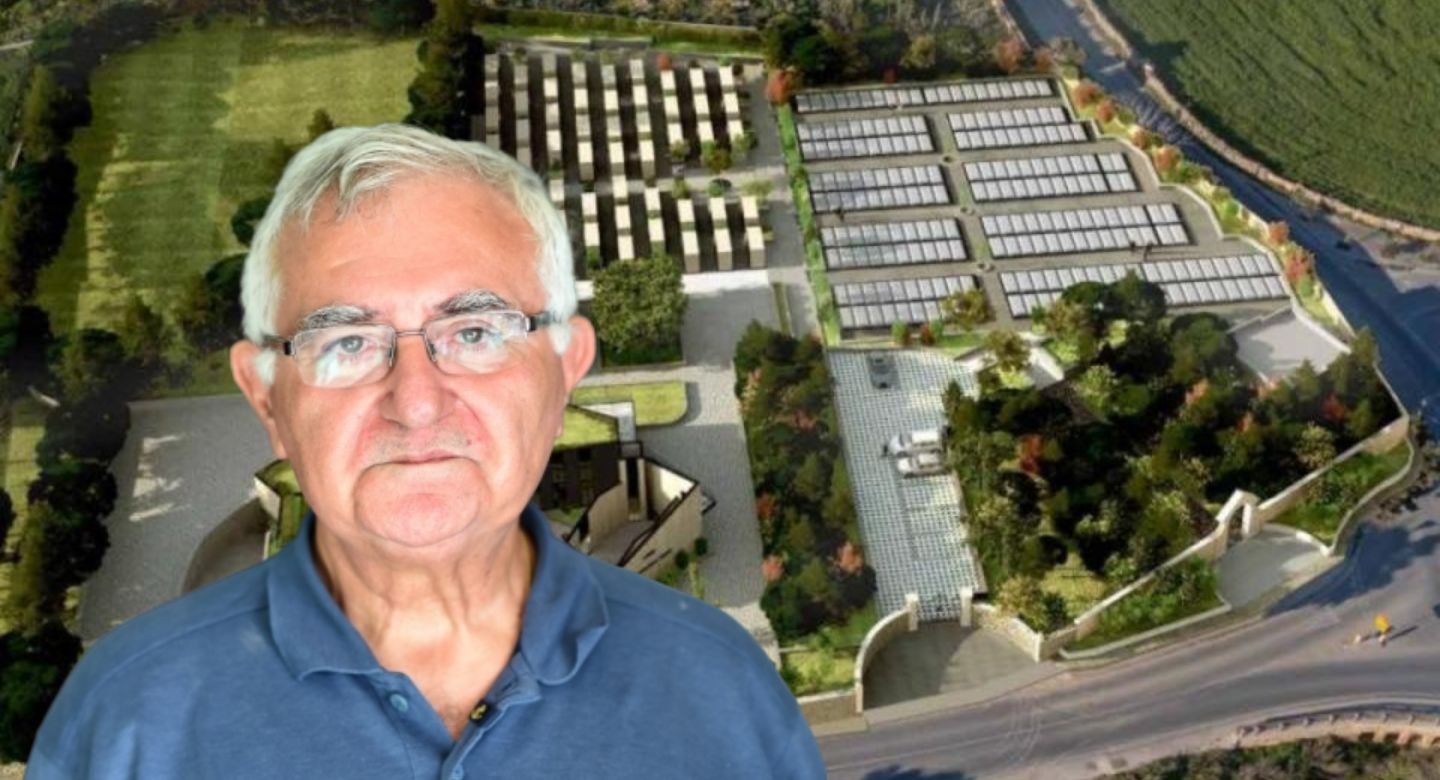
Controversial crematorium is in John Dalli’s ‘back garden’ – ERA missing in action
Tags
#jury
#Yorgen Fenech
Other News
Kurt Farrugia ‘forgot’ to publish direct orders
Malta increases its dependency on imported electricity as population surges
Turkish bank fails to lift €25 million security tied to Shoreline’s dispute
Controversial crematorium is in John Dalli’s ‘back garden’ – ERA missing in action

Doctors demand halt to health centre testing before further talks

Malta last in EU Parliament attendance rankings
One in four licensed short lets concentrated in St Paul’s Bay and Sliema

Bonnici hails progress at housing project caught in crisis that sank Galdes

Employers slam Clyde Caruana’s cheap talk
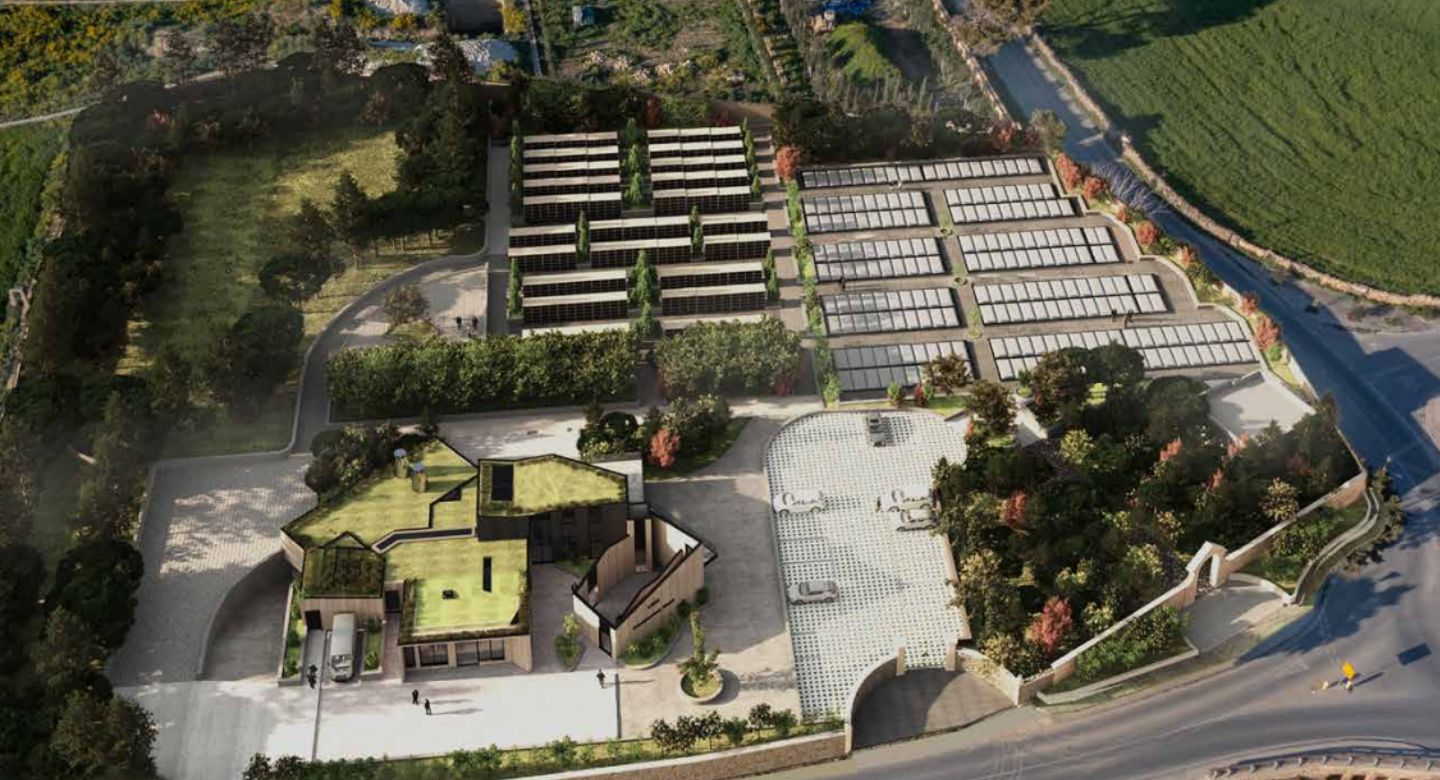
PA’s handling of rival crematorium applications raises a stink
Super CEO’s wife seconded to Mater Dei top job
