

Mercury Towers, one of Malta’s most ambitious property developments, is still heavily loss-making despite years of construction, repeated bond issues and substantial public hype around the project’s completion.
Recently published audited accounts for 2025 show that the Mercury Towers group registered a net loss of €14.5 million during the year, following another €12.7 million loss in 2024. The losses come despite a sharp rise in revenues as the St Julian’s complex finally became substantially operational.
The figures, published by Mercury Projects Finance plc and guarantor Mercury Towers Ltd, reveal a project still struggling under the weight of massive financing costs and a debt burden exceeding €200 million.
The development, led by Gozitan developer Joseph Portelli, includes a luxury hotel, shopping district, entertainment facilities, restaurants, offices and residential towers designed by the late architect Zaha Hadid.
Although the management presented the results as part of a transitional “ramp-up” phase, the accounts show the project remains far from profitability.
Group revenues increased from €9.9 million in 2024 to €25.1 million in 2025, driven by the gradual opening of the hotel, mall, entertainment attractions and food outlets.
However, the rise in income was outweighed by mounting expenses, particularly finance costs to service the debts and depreciation.
The group reported finance costs of €8.7 million for the year, reflecting the enormous debt accumulated to fund the project. Depreciation charges amounted to another €9.5 million.
Together, those two items alone exceeded the project’s gross profit.
The accounts confirm that Mercury Towers now carries total liabilities of approximately €215 million, including approximately €92.5 million in listed bonds issued between 2019 and 2024, as well as bank borrowings and shareholder loans.
The company acknowledged that part of the losses stemmed from delays in completing several operational areas, forcing it to continue absorbing pre-operating costs for longer than anticipated. It also admitted that several commercial operations only opened during the latter half of 2025, even though a full year of expenses had already been incurred.
Responding to questions from The Shift, the company said 2026 would be the first year in which the Mercury Towers complex operates as a “fully integrated destination across all sectors”. It said several major components only commenced operations progressively throughout 2025, including hotel and wellness facilities, entertainment attractions, food-and-beverage outlets and additional commercial areas.
“This meant that the Group carried a substantial cost base before benefiting from a full year of revenue generation across the various business units,” a company spokesperson said.
He stressed that the 2025 results were impacted by “non-recurring and pre-operating costs associated with the completion and launch phase of the project”.
The company highlighted what it described as strong early indicators in 2026, saying first-quarter performance showed “very encouraging” growth across the business.
According to the management, the first quarter of 2026 registered average growth of 48.5% across all sectors, including hospitality, food and beverage, entertainment, wellness and parking operations.
The shopping district also recorded a 14.6% increase in footfall (the number of people visiting) over the same period last year.
The spokesman insisted that 2026 should therefore represent the first full year of stabilised operations for the complex.
The accounts indicate that the project has effectively exhausted its residential sales pipeline, historically a major source of cash generation. Only two residential units remain unsold, and these have now been removed from the market “for strategic reasons”.
Going forward, the project will depend almost entirely on recurring operational income from hospitality, retail, entertainment and food-and-beverage activities.
However, the project continues to rely heavily on shareholder support.
The accounts state that during 2025, Joseph Portelli, the beneficial owner, injected an additional €15 million in equity, while a further €18 million capital injection is planned for 2026.
Sign up to our newsletter Stay in the know
"*" indicates required fields

Kurt Farrugia ‘forgot’ to publish direct orders


Malta increases its dependency on imported electricity as population surges

Turkish bank fails to lift €25 million security tied to Shoreline’s dispute
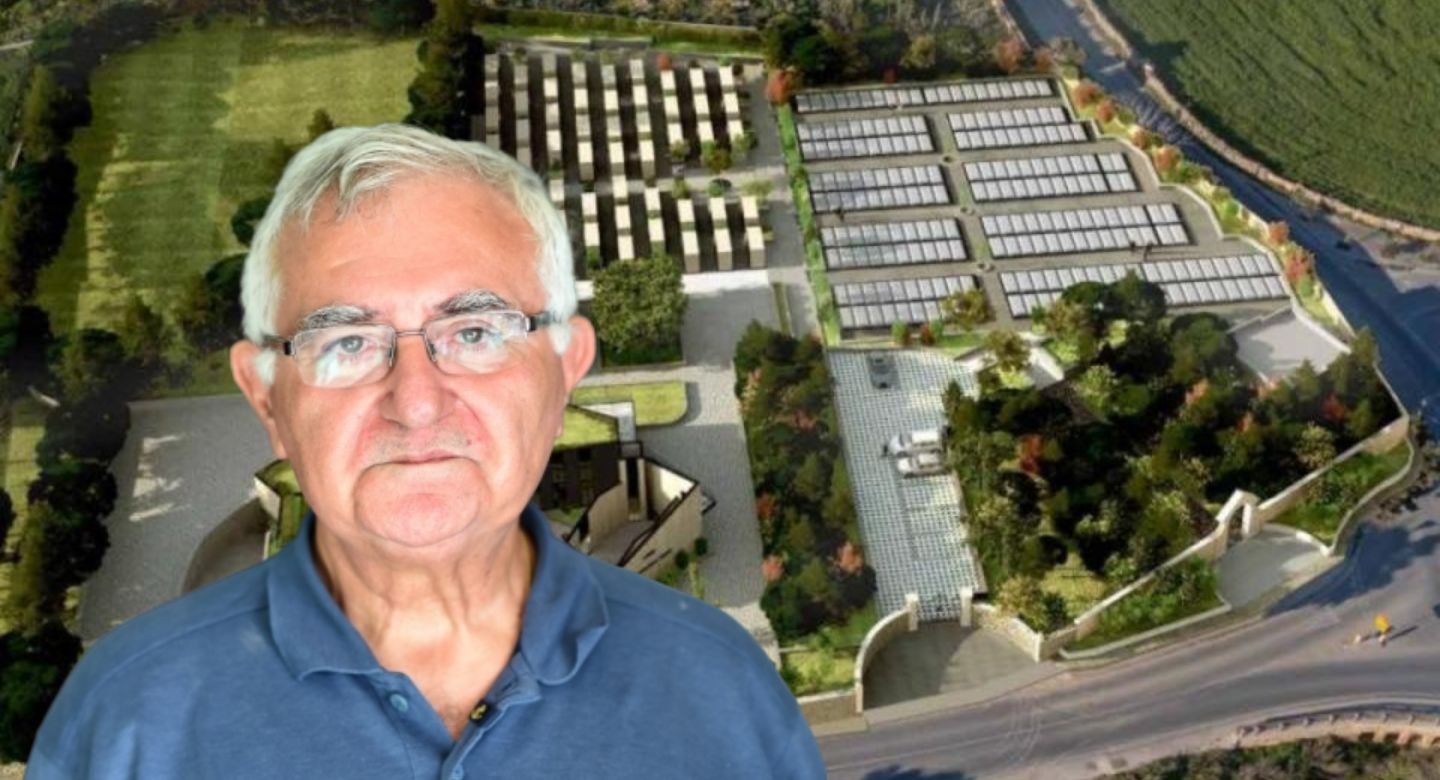
Controversial crematorium is in John Dalli’s ‘back garden’ – ERA missing in action
Tags
#Banks
#bonds
#debts
#Joseph Portelli
#Mercury Towers
#profit
Other News
Kurt Farrugia ‘forgot’ to publish direct orders
Malta increases its dependency on imported electricity as population surges
Turkish bank fails to lift €25 million security tied to Shoreline’s dispute
Controversial crematorium is in John Dalli’s ‘back garden’ – ERA missing in action

Doctors demand halt to health centre testing before further talks

Malta last in EU Parliament attendance rankings
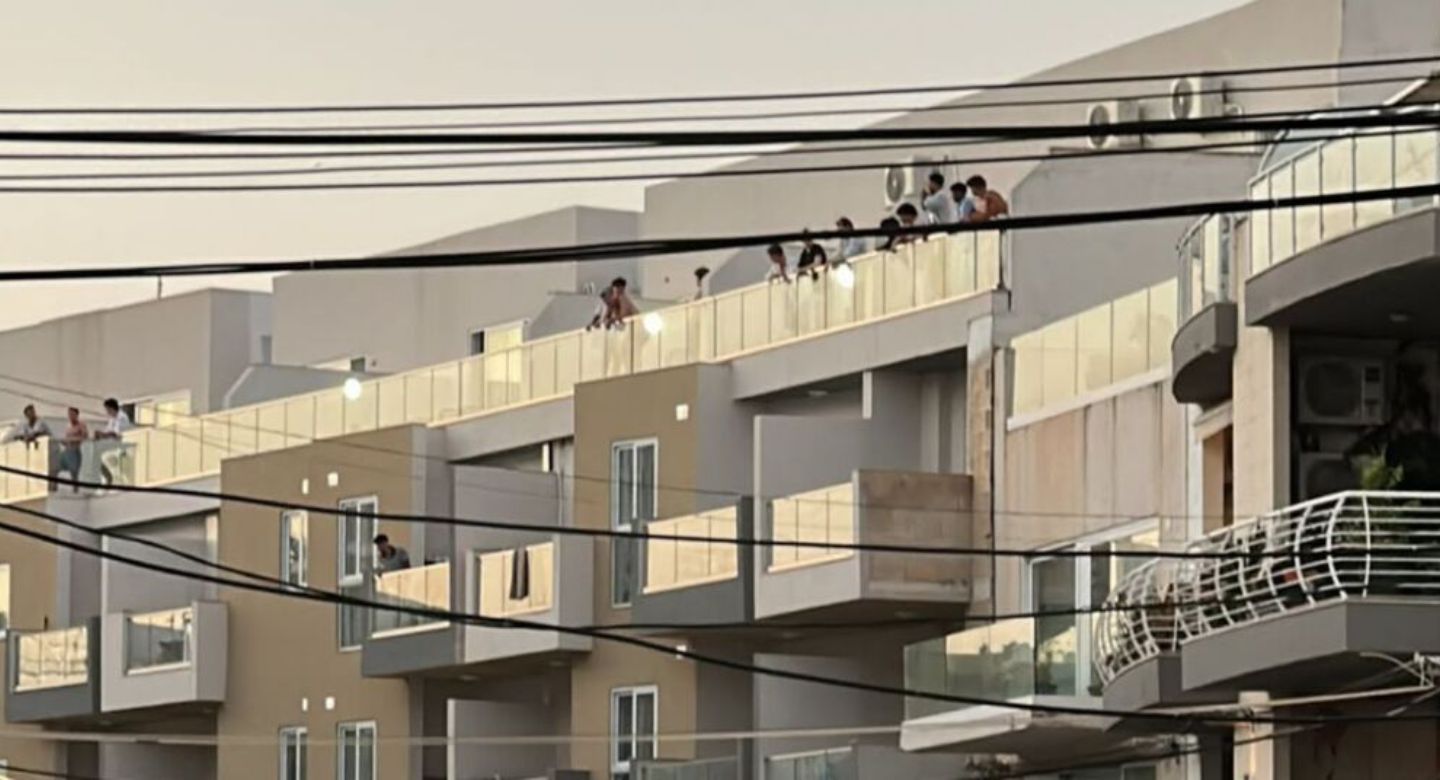
One in four licensed short lets concentrated in St Paul’s Bay and Sliema

Bonnici hails progress at housing project caught in crisis that sank Galdes

Employers slam Clyde Caruana’s cheap talk
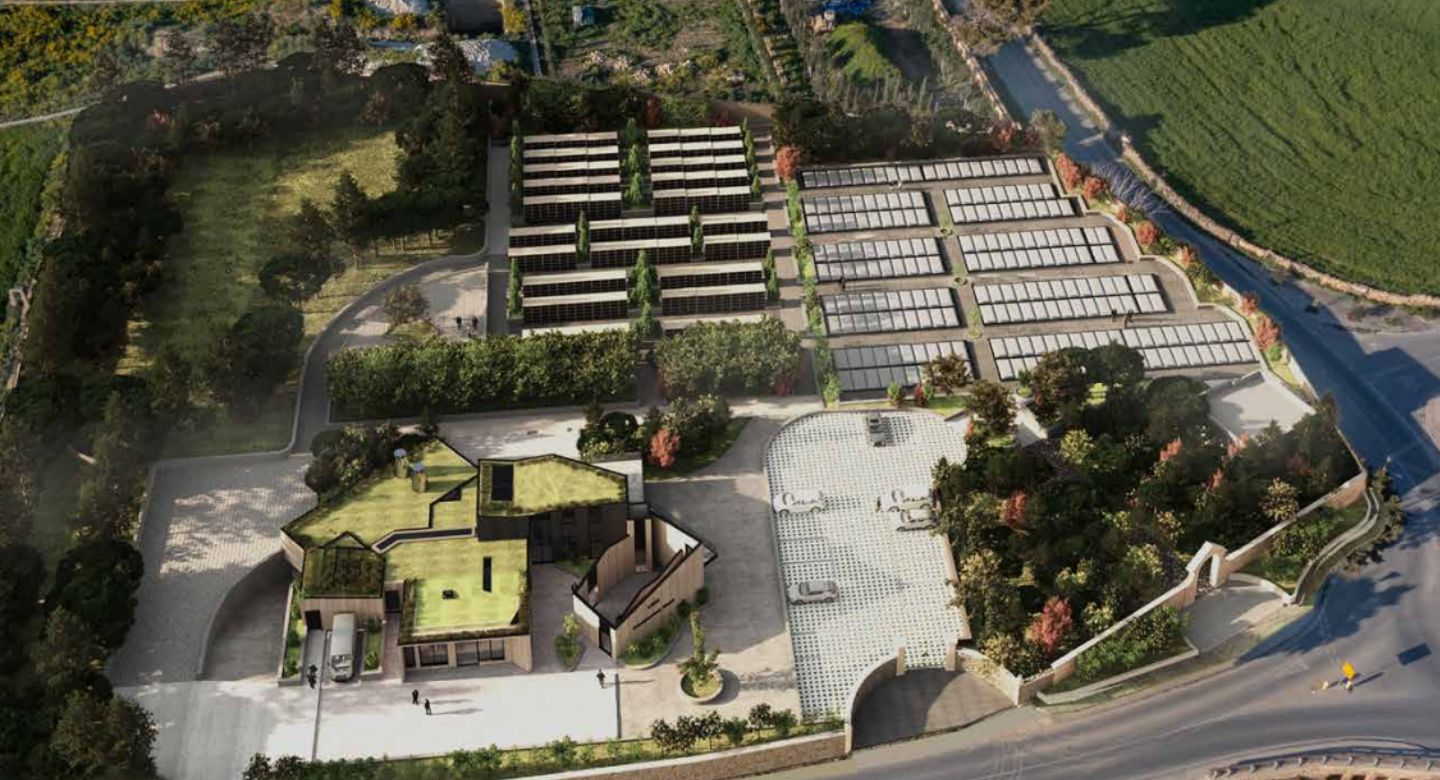
PA’s handling of rival crematorium applications raises a stink
Super CEO’s wife seconded to Mater Dei top job

It was evident his business could be in trouble when Hamrun Spartans failed to win the Premier League.
Profeta kont gej . Tal hara imma.
I remember well, when the one lady at the investment section at BoV paola branch was arguing with me that I bought the wrong bonds and not that what she wanted me to buy aka mercury towers bonds! I remained silent and Here the answer for her
Ahha. So this is why we need 14million tourists by 2027?
Makes sense now!
A serious government or the police should open an investigation on this investment.
Why?