

Taxpayers will once again be footing the bill for uncontrolled spending connected to Malta’s participation in this year’s Eurovision Song Contest, after another heavily financed campaign ended in disappointing results.
Although PBS sources described it as one of the largest international promotional campaigns ever organised for a Maltese Eurovision act, singer Aidan received only eight points from the public televote during last Saturday’s grand final in Vienna, ultimately finishing 18th overall.
The poor result has once again raised questions over how much public money is being channelled into Eurovision-related spending through state broadcaster PBS and other government entities, with little transparency and virtually no accountability.
Sources told The Shift that the national broadcaster, which falls under the jurisdiction of Culture Minister Owen Bonnici and is led by handpicked CEO Keith Chetcuti, approved spending hundreds of thousands of euro on promotion and international exposure in the months leading up to the festival.
The campaign extended far beyond the usual Eurovision fan circuit.
Apart from appearances at Eurovision pre-parties in London, Stockholm and Bucharest, Aidan was also sent on an extensive promotional tour that included performances and media events in Australia, reportedly the first time a Maltese Eurovision act embarked on a dedicated Australian campaign.
The spending also included outdoor advertising campaigns across the United Kingdom, particularly in London and Manchester, where promotional billboards urging viewers to “Vote for Malta” appeared ahead of the semi-final and final stages of the contest.
Advertising industry estimates indicate that digital billboard campaigns through companies such as JCDecuax can cost anywhere between several thousand euro per screen to tens of thousands for premium city-centre locations, depending on duration and visibility.
Sources reported that multiple advertising placements were booked to boost Aidan’s profile among British Eurovision viewers and enhance Malta’s televoting performance.

Yet the expensive push failed to deliver any meaningful public support.
Malta received just eight televote points from across Europe during the grand finale, one of the weakest public voting performances among finalists, despite the extensive promotion and the unprecedented scale of the international campaign.
The exact countries that voted for Malta have still not been officially disclosed in detail.
As has now become routine with Eurovision spending, PBS and the Culture Ministry have refused to disclose financial information related to the campaign, an approach which both entities adopted as a standard during Minister Bonnici’s tenure.

In recent years, PBS has faced criticism for millions spent on Malta Eurovision Song Contest productions and studio refurbishments, while the Malta Tourism Authority has also previously financed Eurovision-related promotional campaigns abroad.
Despite repeated calls for transparency, no details have ever been provided showing how much is spent annually on participation fees, travel, staging, promotion, advertising and foreign tours connected to Eurovision.
Sources said the Eurovision has increasingly become a taxpayer-funded vanity project shielded from scrutiny under the guise of national promotion and entertainment.
With another disappointing result now added to the growing bill, questions are once again being raised over who authorised the spending, what oversight exists, and why Minister Bonnici and PBS continue to resist disclosing how public funds are being used.
Sign up to our newsletter Stay in the know
"*" indicates required fields
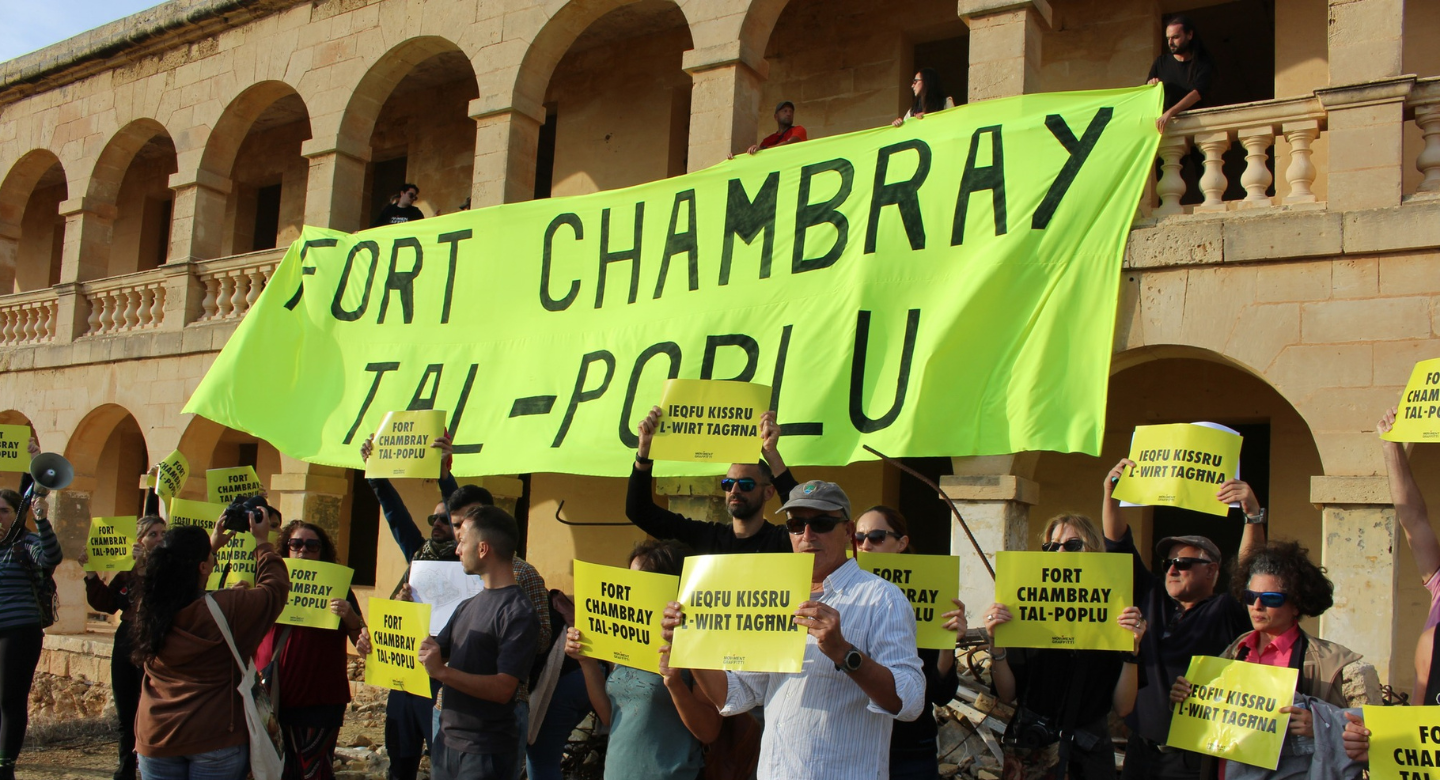
Government makes U-turn on Chambray, leaves protection and public access unclear

Dalli’s trusted aide leaves regulator after clash over interference

Dripping poison


Rare PL-PN unity as Siġġiewi vows to stop crematorium
Tags
#aidan
#Eurovision
#Keith Chetcuti
#Owen Bonnici
#PBS
#taxpayers
#Vienna
Other News
Government makes U-turn on Chambray, leaves protection and public access unclear
Dalli’s trusted aide leaves regulator after clash over interference
Dripping poison
Rare PL-PN unity as Siġġiewi vows to stop crematorium

MeDirect rejects bond disclosure allegations, warns Vaswani of damages claim
Dalli finds the culprit of Wied Speranza: water in a valley
Pama directors’ bonuses rise 21% as operating profit falls
Clyde Caruana livid as Lydia crosses the line

Minister ordered to appoint Luke Dalli as PBS deputy chairman

Kurt Farrugia ‘forgot’ to publish direct orders

Malta increases its dependency on imported electricity as population surges

X ma ikollux IL grand party Bighi Owen DAWK id DIRECT ORDERS TA ELUF TA EUROS min halq il poplu GAHAN malti
U gahan xi haga dal poplu!! Serq ta miljuni, ambjent zero, bini ikrah ma kullimkien, mghodija ta’ zmien min dal mafia u viva l labour!! L laghqa sabiha ghal dal gahnijiet! Poplu cheap!! Jiehu ghalih mbad ghal giehna!
il-poter jikkorompi u kif. mela x’naghmel ma mmurx nivvota!!!
Jien nifhem li kull entita li titqabbad tahdem, generalment ikollha l kummissjoni, generalment 10 fil mijja ghaliha. Mhux hekk. Probabilment, f kas bhal dan, mill anqas ikun hemm zewg kummissjonijiet. Il kumpannija maltija u dik inkarigata ta barra. Hekk nifmhu li kullhadd irid il loqma (loqma, l kelma ggib hekk) tieghu.
Throwing away our money without accountability is Owen’s speciality: Whether it’s the Film commissioner, financing Joseph Calleja, coming up with vanity projects to entertain the masses, and other money spinners.
Not to mention the army of people that made up the Maltese delegation which included a performance psychologist, a personal trainer, insomma … iktar nies milli punti mit televoting
There was a good NYT report about Israel’s €1m spend (aka soft power propaganda since this is what is – be it foreign or locally aimed) on the Eurovision: https://www.nytimes.com/2026/05/11/world/europe/eurovision-israel-gaza-netanyahu.html