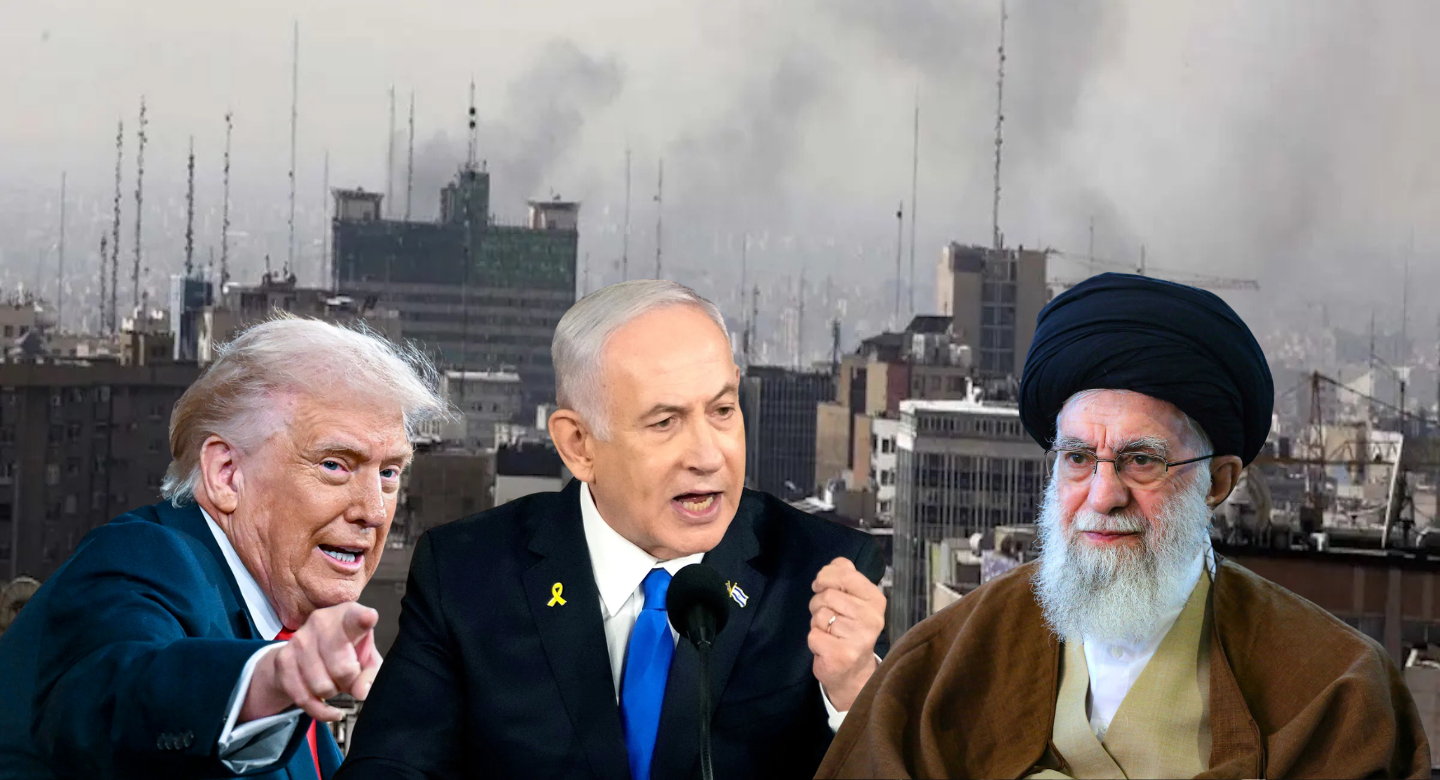

The long-simmering confrontation between Iran and Israel has once again exposed the fragility of the Middle East’s strategic balance. What has for years been a shadow conflict, waged through cyber operations, covert strikes and proxy militias, now risks hardening into something more direct and far more dangerous.
At the centre of Israel’s posture stands Prime Minister Benjamin Netanyahu, whose political career has been defined in large part by his uncompromising stance toward Tehran. For decades, he has argued that Iran’s nuclear ambitions constitute an existential threat to the Jewish state.
That framing – existential rather than merely strategic – has shaped Israeli doctrine: Deterrence if possible, pre-emption if necessary. Israeli security officials have repeatedly signalled that they will not tolerate a threshold nuclear capability in Iranian hands.
Iran, for its part, denies seeking nuclear weapons while steadily advancing its enrichment capacity and deepening ties with armed groups across Lebanon, Syria, Iraq and Yemen.
The Islamic Republic views Israel as an illegitimate actor in the region and the US as its principal external antagonist. Its deterrence model is asymmetrical: ballistic missiles, drone warfare and a network of non-state allies capable of applying pressure on multiple fronts.
Hovering above this rivalry is the decisive weight of the US. American policy has oscillated between diplomatic containment and coercive pressure. Under President Donald Trump, Washington withdrew from the 2015 nuclear accord and pursued a “maximum pressure” sanctions regime designed to cripple Iran’s economy and force renegotiation.
That strategy tightened alignment with Israel and several Gulf states, but it also narrowed diplomatic space and hardened positions in Tehran. Reuters reports that Trump justified the latest action as targeting the Iranian regime’s capacity to threaten Western and allied security, while publicly hailing a “major combat operation.”
According to The Guardian, Trump’s approach reflects over-reliance on military options and underestimates the intricate regional balances. Even before the current flare-up, congressional debates had emerged over the constitutional limits of presidential war powers in conflict with Iran.
The danger now lies not merely in deliberate escalation but in miscalculation. The Gulf is saturated with military assets: US naval forces patrol critical shipping lanes; Israeli intelligence operates across the region; Iranian missile batteries and proxy formations stand on alert.
The Strait of Hormuz remains a choke point for global energy supplies. A single misinterpreted strike, an overzealous militia commander, or a cyber operation that crosses an unseen red line could ignite a chain reaction.
Domestic politics adds combustible fuel. In Israel, security crises often reshape electoral landscapes and reinforce hawkish narratives. In Iran, the leadership must balance economic strain and internal dissent against the imperative to project strength. In Washington, Middle East policy is inseparable from partisan debate over executive war powers and America’s global commitments.
None of the principal actors appears to seek a full-scale regional war. Yet history shows that wars frequently emerge from incremental escalations rather than grand designs. The 2006 Lebanon conflict, the wars in Gaza, and repeated Gulf tanker crises all demonstrate how quickly limited engagements can spiral.
A sustainable path forward would require several improbable but necessary steps: Restored diplomatic channels, credible constraints on nuclear development, and de-escalation mechanisms among regional powers. That, in turn, demands political courage, particularly from leaders whose reputations have been forged in confrontation.
The Middle East has endured decades of proxy warfare and strategic brinkmanship. Another uncontrolled escalation between Iran and Israel, drawing in the US, would not remain a local affair. Energy markets, global trade routes and fragile neighbouring states would all feel the shock.
The region edges ever closer to a conflict whose consequences would extend far beyond its borders.
Update: It was announced on Sunday that Khamenei was killed in a joint US-Israeli attack on 28 February.


Sign up to our newsletter Stay in the know
"*" indicates required fields

Essence de Kink


Abela doubles down


Why walls keep crashing down

Dripping poison
Tags
#ali Khamenei
#Benjamin Netanyahu
#conflict
#Iran
#Israel
#Middle East
#US President Donald Trump
Other News
Essence de Kink
Abela doubles down
Why walls keep crashing down
Dripping poison

Bonnie says, ‘name them, Clyde’

Pull the pardon

Our students can’t read – Labour is delighted

His Own Idea, He Said.
When desperation kicks in

Is Clifton Grima pushing a Trojan reform?
When it’s Ricky who loves you
