With a score of 49 out of 100, Malta now ranks 60th out of 182 countries tracked by Transparency International’s Corruption Perceptions Index (CPI), maintaining a two-year streak as one of a handful of European member states that are considered to be “high risk”.
With an average score of 62 out of 100 across the European Union, Malta scores 13 points below the region’s average. Slovakia (48), Croatia (47), Romania (45), Bulgaria (40), and Hungary (40) round out the bottom of the scoreboard.
Denmark (89), Finland (88), Sweden (80), Luxembourg (78), and the Netherlands (78) are the top five cleanest countries in the EU, though both Sweden and the Netherlands have seen significant declines over the past couple of years.
The ranking is set on a scale of 0 (highly corrupt) to 100 (very clean).

Overall, Malta’s decline has been particularly significant since 2015, when Malta peaked with a score of 60. The downward spiral towards this year’s score became even more pronounced after the assassination of Daphne Caruana Galizia in 2017 and the subsequent lack of high-profile convictions for politicians involved in enabling her murder.
In fact, a press release accompanying the report notes that Spain (-10), followed by Malta (-8), were the two biggest decliners in the European Union since 2012. Incidentally, both Spanish Prime Minister Pedro Sánchez and Maltese Prime Minister Robert Abela are currently under fire for watering down transparency obligations in their respective nations.
Overall, Transparency International’s annual report paints a dire picture of both the state of the European Union and the world at large.
Within Western Europe and the European Union, the regional average fell from 66 to 64. 13 countries witnessed significant declines, with just seven of them making any improvements.
The anti-corruption NGO’s press release also laid out strident criticism for the EU’s failure to follow through with its Anti-Corruption Directive, which was meant to harmonise minimum standards across the bloc.
“Key provisions were weakened, and as a result, the Directive’s final framework falls short on ambition, clarity, and enforceability, squandering an opportunity to take a collective stance against corruption. As EU member states prepare to transpose the Directive, they should treat it as a springboard, not a ceiling, for ambitious reform and enforcement,” the report notes.
“Instead of wielding the strong rule-of-law measures available to it, the EU has sat idly by as Member States have dismantled democratic protections,” the report later adds.
The watered down version of the directive was provisionally agreed upon towards the end of last year.
If approved with a final vote in European Parliament and within the European Council later this year, the directive would establish common definitions for offences such as bribery, misappropriation, and abuse of functions, and would bind member states to introducing complementary measures to prevent and address corruption.
“In the current geopolitical climate, Europe should be raising, not lowering, its anti-corruption ambitions. Corruption is not inevitable: Europe and its leaders must act now to show ambitious, enforceable reform and global leadership,” said Flora Cresswell, Transparency International’s regional advisor for Western Europe.
The data further shows that democratic backsliding in Europe is closely mirrored across the world.
Though democracies typically obtain better CPI scores than autocracies, countries like the US, Canada, New Zealand, the UK, and France, which usually obtain top scores all around, have also witnessed significant declines.
The US in particular, which scored 64 out of 100, obtained its lowest-ever score this year, with the report’s authors noting that the Trump administration’s hostility towards the independent press and the judiciary “raise serious concerns.”
“Beyond our findings, the temporary freeze and weakening of enforcement of the Foreign Corrupt Practices Act (in the US) signal tolerance for corrupt business practices, while cuts to US aid for overseas civil society have weakened global anti-corruption efforts. Political leaders elsewhere have taken this as a cue to further restrict NGOs, journalists and other independent voices,” the report adds.
Sign up to our newsletter Stay in the know
"*" indicates required fields

Where are the Moroccans? Outside Glenn’s job description

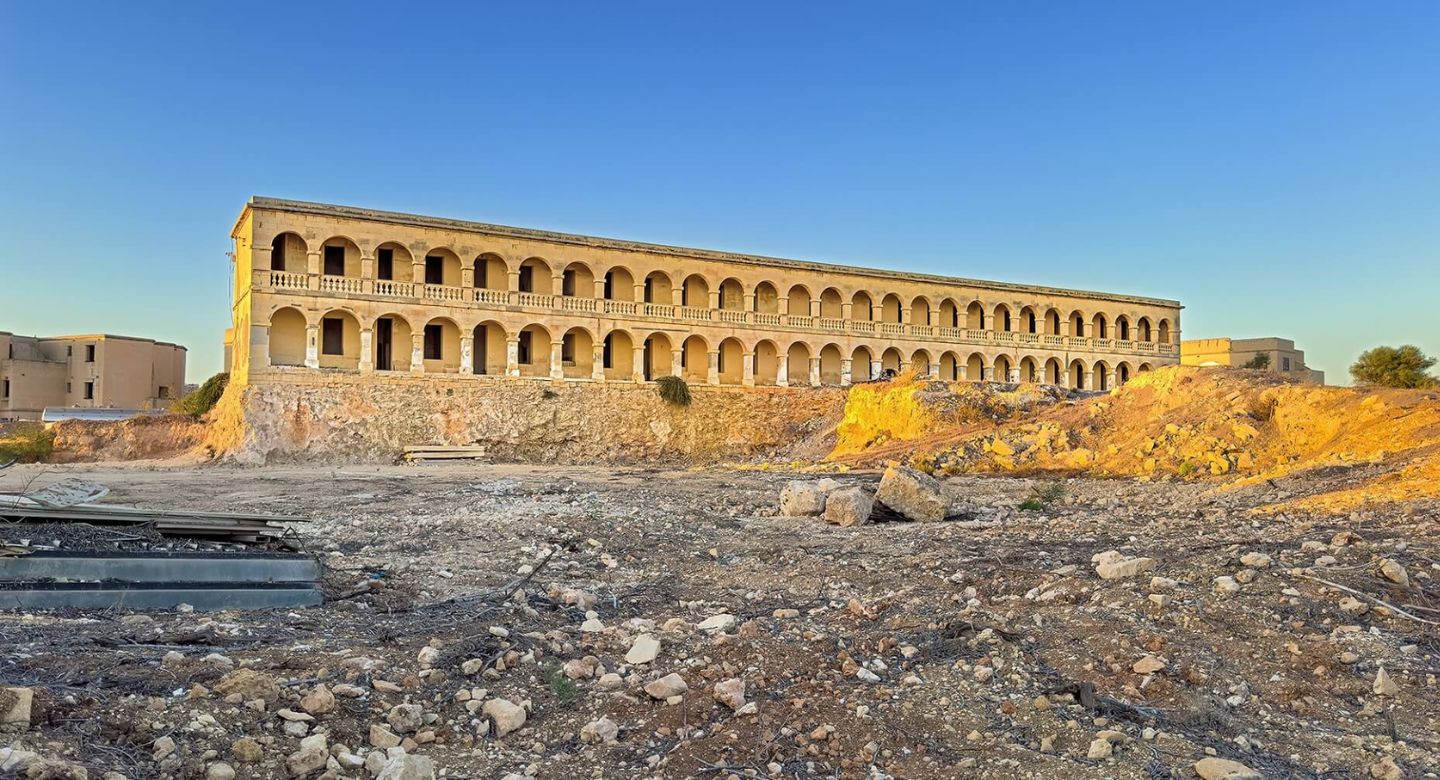
Fort Chambray decision is not enough – NGOs

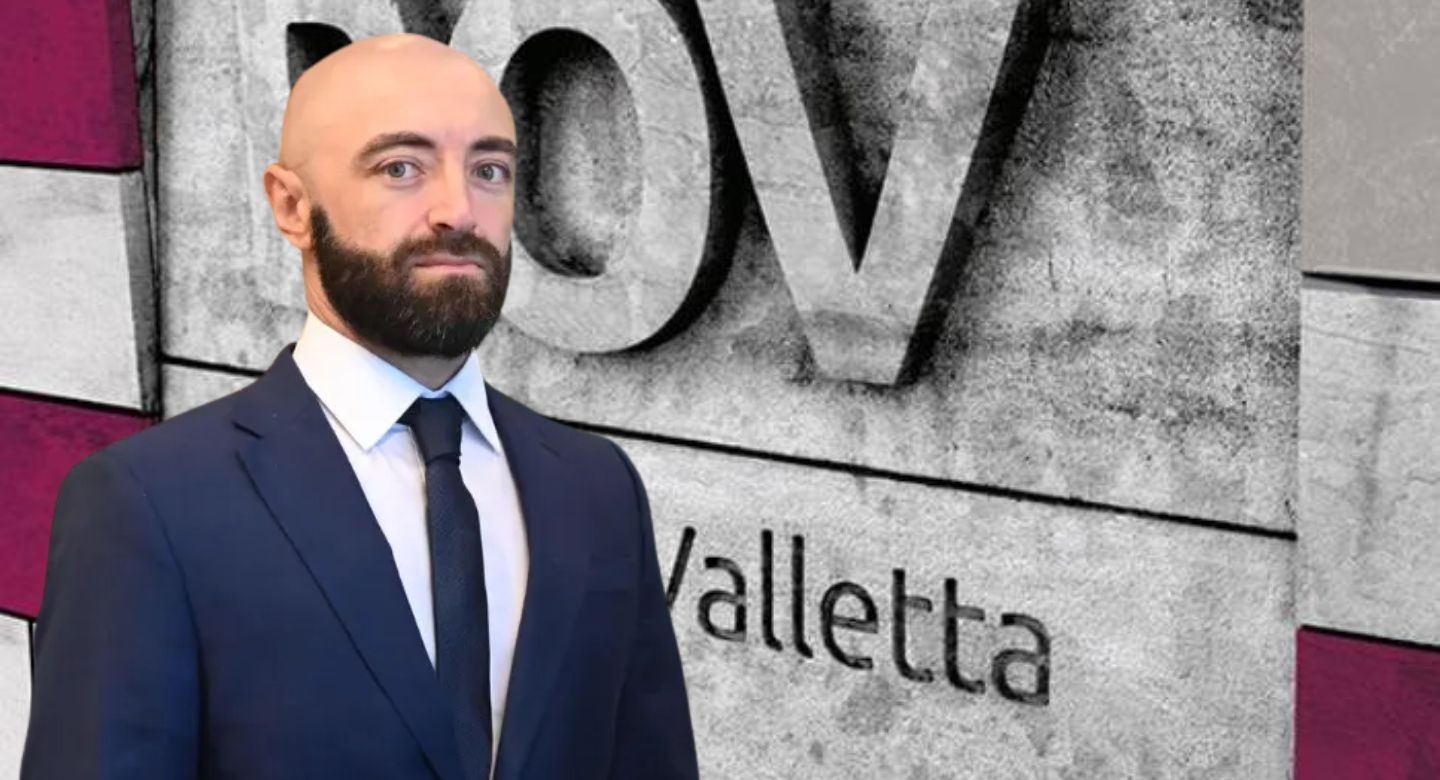
Regulator rejects BOV’s nomination for top risk post
Terminated Housing Authority contractor formed company months before €6.5m Siġġiewi contract
Tags
#anti-corruption directive
#Bulgaria
#CPI 2025
#Croatia
#Daphne Caruana Galizia
#Denmark
#EU
#European Union
#Finland
#Hungary
#Labour Party
#Luxembourg
#Malta
#Netherlands
#Partit Laburista
#Pedro Sanchez
#PL
#Robert Abela
#Romania
#Slovakia
#Sweden
#Transparency International
Other News
Where are the Moroccans? Outside Glenn’s job description
Fort Chambray decision is not enough – NGOs
Regulator rejects BOV’s nomination for top risk post
Terminated Housing Authority contractor formed company months before €6.5m Siġġiewi contract
Government makes U-turn on Chambray, leaves protection and public access unclear

Dalli’s trusted aide leaves regulator after clash over interference

Dripping poison


Rare PL-PN unity as Siġġiewi vows to stop crematorium

MeDirect rejects bond disclosure allegations, warns Vaswani of damages claim
Dalli finds the culprit of Wied Speranza: water in a valley
Pama directors’ bonuses rise 21% as operating profit falls