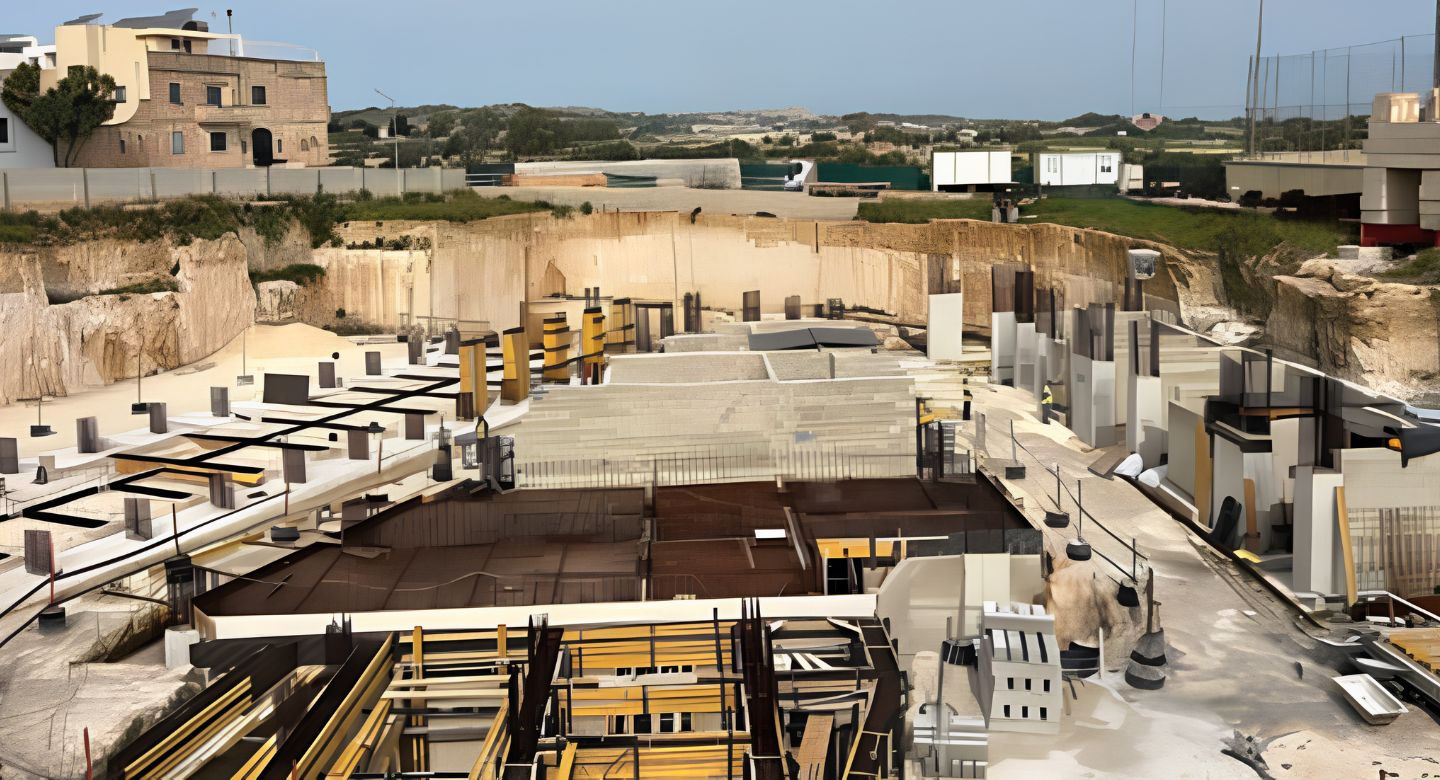
Since Robert Abela took over as Prime Minister in January 2020, Malta’s national debt has nearly doubled, reaching a record €11.1 billion by the end of August.
In his five and a half years in office, Abela has increased the country’s debt by €5.4 billion, averaging almost €1 billion per year. Despite this significant rise in debt, its management is still viewed as stable, mainly due to the economy’s continued growth, driven primarily by an increase in the workforce and government spending.
Although the debt figures are unprecedented, the debt-to-GDP ratio remains within acceptable limits according to EU guidelines, known as the Maastricht criteria. These rules signal concern when the debt-to-GDP ratio exceeds 60%. In Malta’s case, this ratio stands at under 48%, placing it in a safe zone.
In the last budget announcement, Finance Minister Clyde Caruana projected a deficit of €850 million for this year, with an anticipated debt of nearly €12 billion by the end of 2025. Although it is still early in the fiscal year, actual figures may be lower by the year’s end.
Maltese taxpayers currently pay approximately €300 million in interest on the national debt annually. By August, they had already contributed nearly €200 million toward this interest.
However, most of these payments ultimately benefit Maltese citizens, as the majority of the national debt is composed of Malta Government stocks. By August, Maltese stocks accounted for €9 billion of the total national debt.
Sign up to our newsletter Stay in the know
"*" indicates required fields
Public paid €6,000 for Kurt Farrugia interview and publicity


Heritage Malta directors’ remuneration more than doubles to €103,000 as deficit hits €4.2m

Malta’s tourism intensity outstrips Amsterdam and Barcelona

Carlo Stivala in bigger trouble as all Centric Hotel might be illegal
Tags
#debt
#deficit
#GDP
#Robert Abela
Other News
Public paid €6,000 for Kurt Farrugia interview and publicity
Heritage Malta directors’ remuneration more than doubles to €103,000 as deficit hits €4.2m
Malta’s tourism intensity outstrips Amsterdam and Barcelona
Carlo Stivala in bigger trouble as all Centric Hotel might be illegal

Joseph Muscat losing his cool as corruption proceedings against him continue
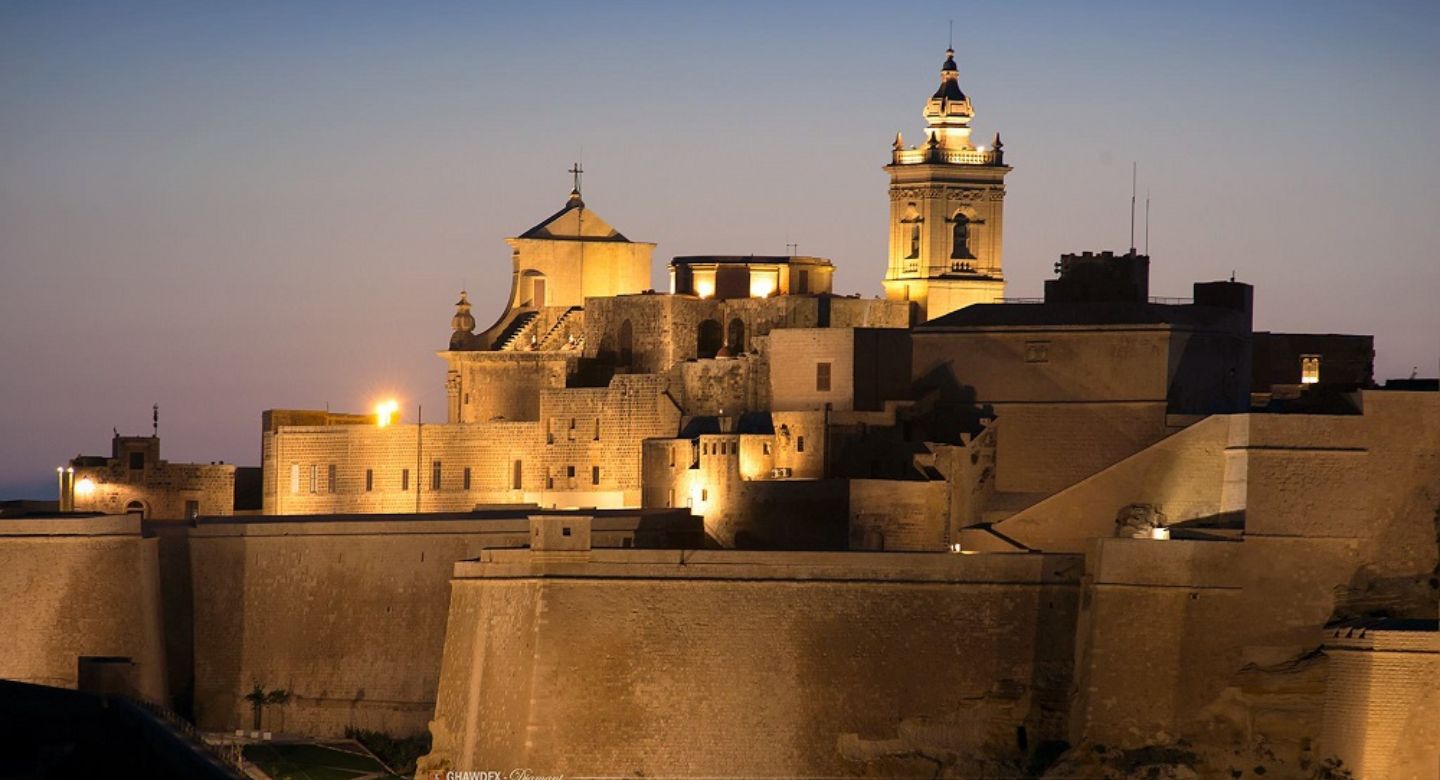
‘Rogue’ development application threatens Cittadella’s status – Architect is former PA board member

Two managers for every three administrative staff at the BCA

Labour president handed embryo regulator’s top job amid conflict-of-interest concerns

Where are the Moroccans? Outside Glenn’s job description
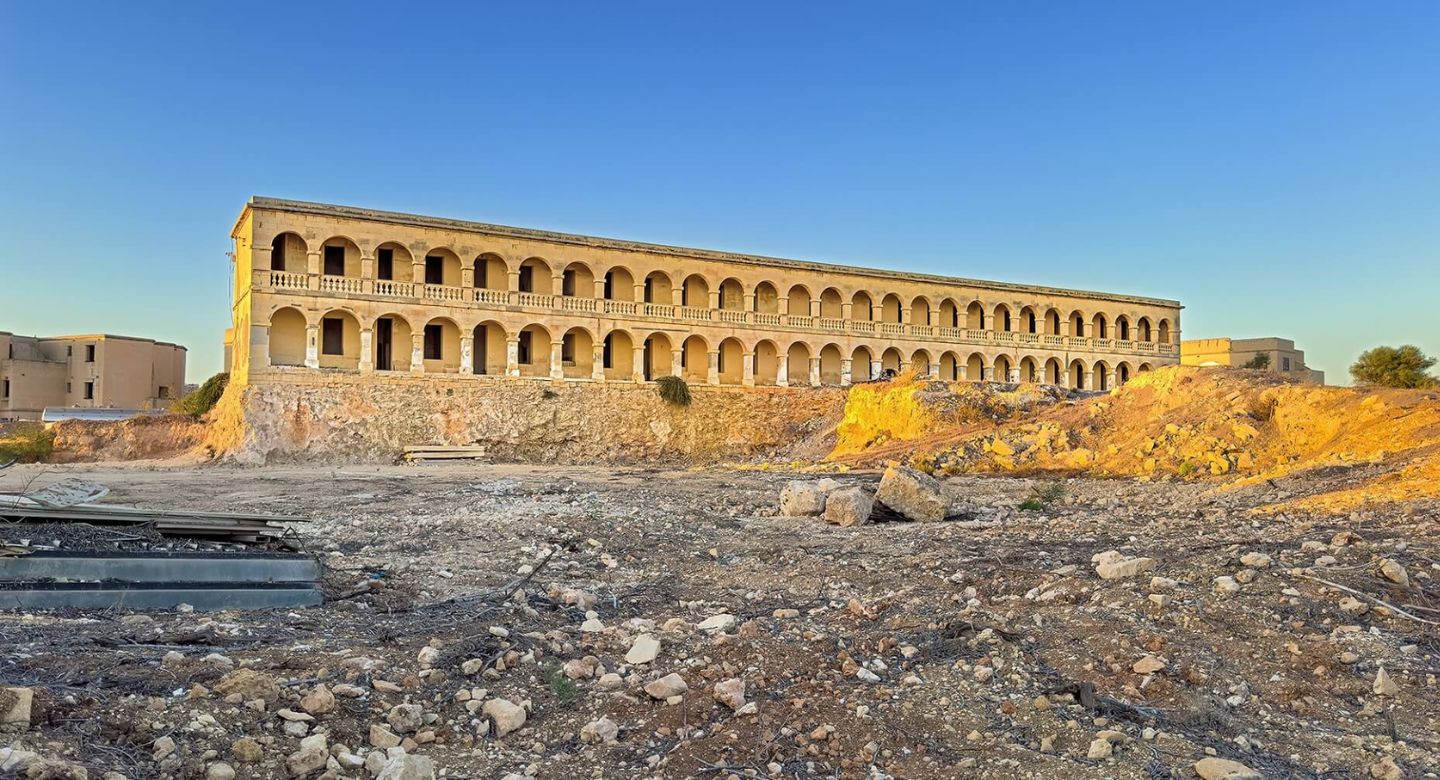
Fort Chambray decision is not enough – NGOs
Regulator rejects BOV’s nomination for top risk post