
In the months before last May’s general elections, Finance Minister Clyde Caruana presented public finances as improving sufficiently to accommodate energy subsidies, Labour’s electoral promises and a declining deficit. By September, he had shifted his emphasis to spending discipline, protecting subsidies and explaining why financial pledges might have to wait.
The contrast raises questions about his pre-election assurances, particularly his claim that manifesto commitments were already included in the government’s fiscal projections.
In March, Caruana told Parliament that Malta had €250 million in additional fiscal headroom, above approximately €150 million already being spent on energy and fuel subsidies. That flexibility, he said, would allow the government to absorb further price shocks while remaining within the EU’s 3% deficit threshold.
In April, with the election approaching, Caruana sounded increasingly confident.
Announcing a 2025 deficit of 2.2% of GDP, below the earlier 3.2% forecast, he outlined a path towards surpluses in 2029 and 2030. Debt was projected to decline from 46.4% of GDP in 2025 to 38.9% in 2030. These were debt ratios, rather than promises that outstanding borrowing in euros would immediately fall.
The most consequential assurance came on 21 May, nine days before polling.
Asked about Labour’s manifesto, Caruana said its costs had already been factored into the deficit and debt projections. He did not, however, provide an overall cost for the programme when questioned.
Labour won the election, and Caruana remained in charge of the public purse. Within months, his message had changed.

By the pre-budget discussions in September, the fiscal outlook had weakened.
As The Shift reported, Caruana’s forecast for the 2026 deficit had risen from April’s 1.6% of GDP target to 2.8%. Applying both ratios to a rounded GDP estimate of €26 billion produces a difference of approximately €312 million.
These remain forecasts, not final annual accounts.
Nevertheless, the revision points to deterioration from 2025 rather than the improvement promised in April. Staying below the EU’s 3% ceiling would still leave the government substantially above its own target.
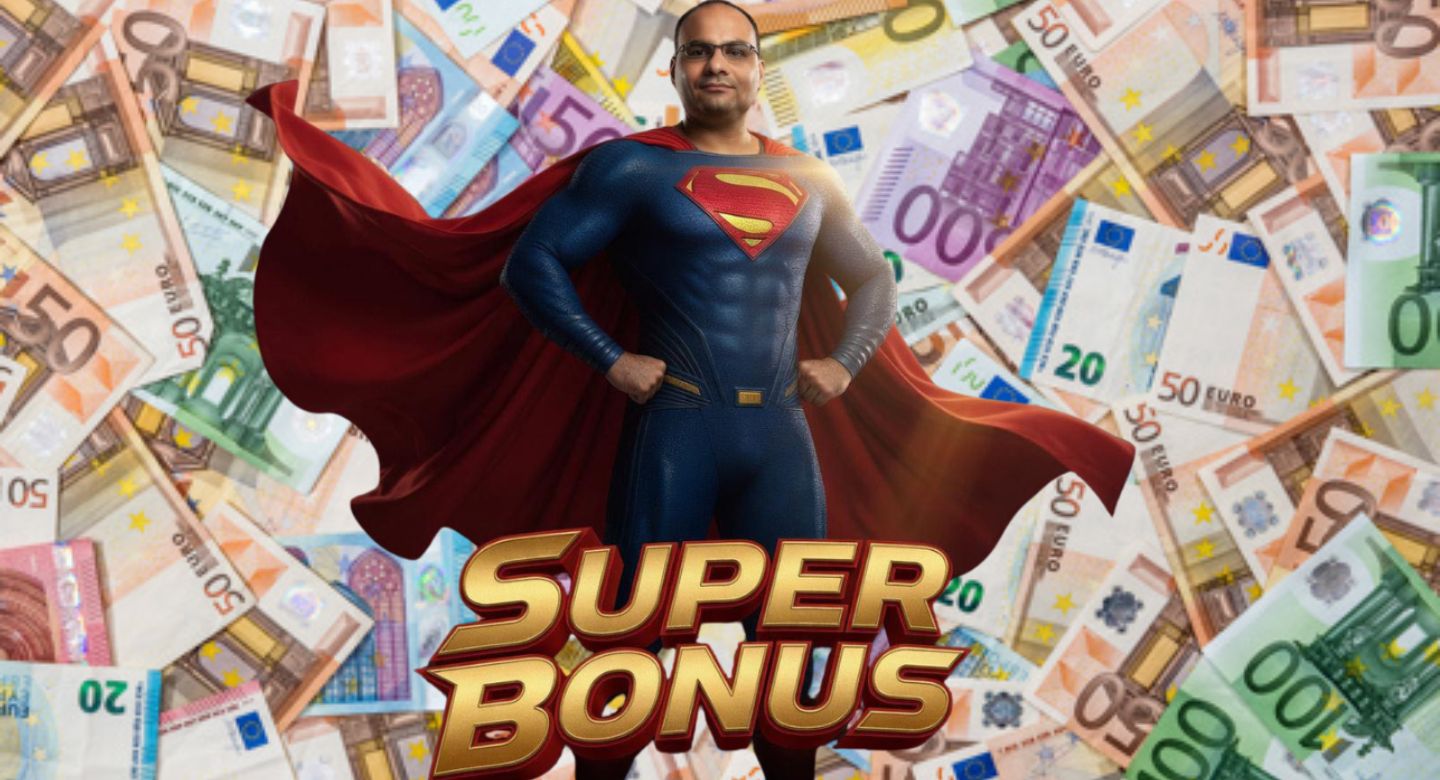
The change in tone also extends to Labour’s flagship €1,000 annual “super bonus”.
Caruana indicated that its introduction in Budget 2027 was unlikely, without definitively excluding it. He stressed that the manifesto covered five years and that energy support and healthy public finances took priority.
He also acknowledged that government had previously covered agencies’ additional expenses when it perhaps should not have, promising tighter discipline.
Rising energy costs provide part of the explanation.
The latest subsidy estimate cited was €392 million. But the available figures do not provide an itemised reconciliation of the deficit revision or establish what contribution, if any, election-related spending made. That leaves unanswered questions about the spending Caruana authorised and the assumptions behind his assurances.
What changed in his calculations?
Publishing the original implementation timetable and a breakdown of revised revenue and expenditure would allow voters to assess whether his earlier confidence was justified – or whether electoral convenience took precedence over a realistic account of the country’s finances.
Sign up to our newsletter Stay in the know
"*" indicates required fields

Labour Party media targets critics at least 48 times less than four weeks after general elections


Anġlu Farrugia’s greatest hits

Abela’s record cabinet creates a two-tier government

Labour down in all districts as PN gains 13,500 votes – biggest swing in Gozo
Tags
#Clyde Caruana
#double speak
#finances
#super bonus
Other News
Labour Party media targets critics at least 48 times less than four weeks after general elections
Anġlu Farrugia’s greatest hits
Abela’s record cabinet creates a two-tier government
Labour down in all districts as PN gains 13,500 votes – biggest swing in Gozo

The hospitals they promised you a decade ago

Competing giveaways, collapsing trust

Who’s next?

Mediterranean Sweden, or far-fetched comparison?

The country that wants to have its cake and eat it

Two addresses, not one bold proposal in sight

The weight of unfinished business

Nesa jibdel l batteries. Ghajjiet l calculator! Ghaddew passata lil dal poplu mbecilli! Ekonomija b sahhitha my foot! Dik hija biss skuza biex jghamu lil poplu li mohhu jasal sa dak li jisma biss halli huma jkomplu jnittnuna bil bini ghax kollha business fih u l barrani jrriduh biex ikompli jimla l kaxxex li qed jibnu u l poplu minghalih li ghal ekonomija bsahhitha w jaccetta l ikunu bellawlu!! Li kien idejqu qabel bhal influss ta barranin, bini ikrah ma kullimkien u ambjent zero, issa sar jaccettah ghax l aqwa l ‘ekonomija b sahhitha’!! Minghalih!! Issa kullhadd sieket!!