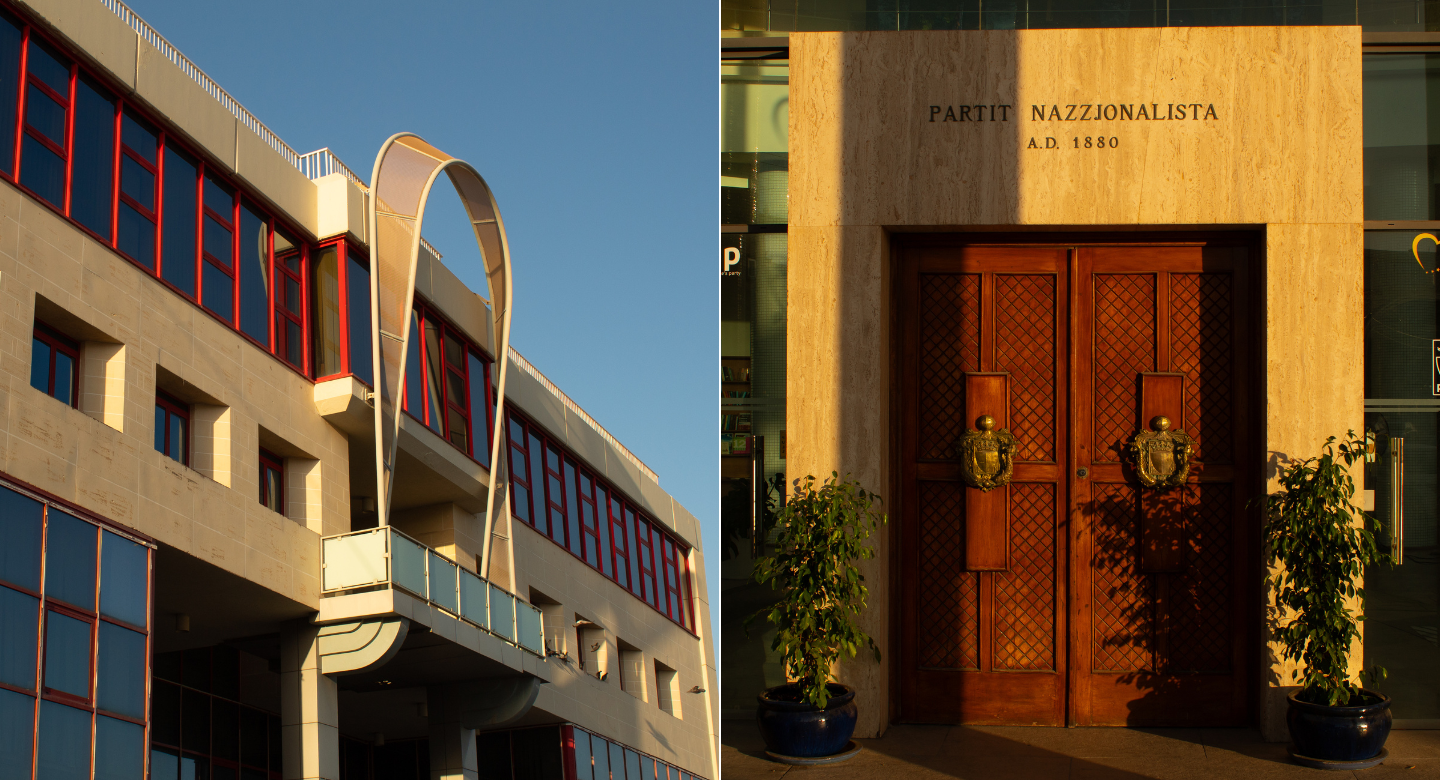
It’s the one thing everyone expects to happen this year, despite all the public denials we’ve seen.
Though Prime Minister Robert Abela himself appeared to pour cold water on the idea last month during an interview with The Times of Malta, he was also careful to include a lawyer’s disclaimer in his response to a direct question about whether he would rule out snap elections in 2026.
“Today, I see no reason to call a snap election. I don’t know what the circumstances will be in 10, 12 months’ time,” Abela said during the interview, framing the decision as one that will be taken in “the national interest” – whatever that may be.
Earlier this year, Abela had also said that he did not rule out calling snap elections if and when the Nationalist Party “destabilised” Parliament by electing a new leader, a certifiably empty threat that was obviously not followed up on – so you’ll forgive us if we’re not taking the Prime Minister’s word for it.
While it remains in the Prime Minister’s hands to determine when the general elections will be held, it is clear that both the government and the Opposition have already gone into overdrive to gear up for the only contest that really matters to them.
In any case, 2026 will undoubtedly be dominated by electoral talk, given that the current administration’s mandate extends until 2027 at the latest.
While the Prime Minister continues to exploit the power of incumbency to his Party’s advantage and at the taxpayer’s cost, Opposition Leader Alex Borg is hamstrung by an indebted party that is desperately trying to modernise itself and bridge the electoral gap.
As gargantuan as that gap is, the new dynamics of having a younger, more ambitious Leader of the Opposition face off against a Prime Minister whose grip on power is destined to fade may move the needle much more during a full-blown electoral campaign than it ever could midway through the legislature.
Affordability and livability will be the two broad categories that both Borg and Abela would do well to become fluent in if they wish to convince voters that they are willing and able to address their primary concerns.
According to MaltaToday’s survey, almost 50% of respondents felt they could trust the government to manage public finances, with just 20% for the Opposition.
The outlook for the Opposition improves slightly when respondents were asked who they trust to drive down the cost of living: 38.5% for PL, 21.4% for PN.
As for the other three most important concerns highlighted by survey respondents – the management of population growth, traffic, and the environment – both parties score practically identical and abysmally low numbers.
The data is clear: People need life to be more affordable, and they need communal spaces to be livable.
The question is: which political party can convince voters it is best equipped to serve them?
Addressing Malta’s soaring debt, rogue construction moguls, and a chronically overused road network cannot be done through any singular incentive.
These issues cannot be slimmed down to popular proposals that will likely earn everyone’s support but fall short of addressing root causes.
The fact is that, even in the survey questions where the government scored best, at least half the sample is clearly unhappy about how public finances are being spent and is even less confident that the Opposition would do any better.
Broad dissatisfaction with how public money is spent spells trouble for the incumbent and creates opportunities for the challenger, but it cannot be dismissed or placated easily. It is a persistent problem that worsens over time if left unaddressed.
Snap elections or not, anyone in either party who has any sense will be hitting the ground running on these issues as early as next month.
Sign up to our newsletter Stay in the know
"*" indicates required fields

Labour Party media targets critics at least 48 times less than four weeks after general elections

Anġlu Farrugia’s greatest hits

Abela’s record cabinet creates a two-tier government


Labour down in all districts as PN gains 13,500 votes – biggest swing in Gozo
Tags
#2026 general elections
#Labour Party
#MaltaToday
#Nationalist Party
#Partit Laburista
#Partit Nazzjonalista
#PL
#PN
#Times of Malta
Other News
Labour Party media targets critics at least 48 times less than four weeks after general elections
Anġlu Farrugia’s greatest hits
Abela’s record cabinet creates a two-tier government
Labour down in all districts as PN gains 13,500 votes – biggest swing in Gozo

The hospitals they promised you a decade ago

Competing giveaways, collapsing trust

Who’s next?

Mediterranean Sweden, or far-fetched comparison?

The country that wants to have its cake and eat it

Two addresses, not one bold proposal in sight

The weight of unfinished business