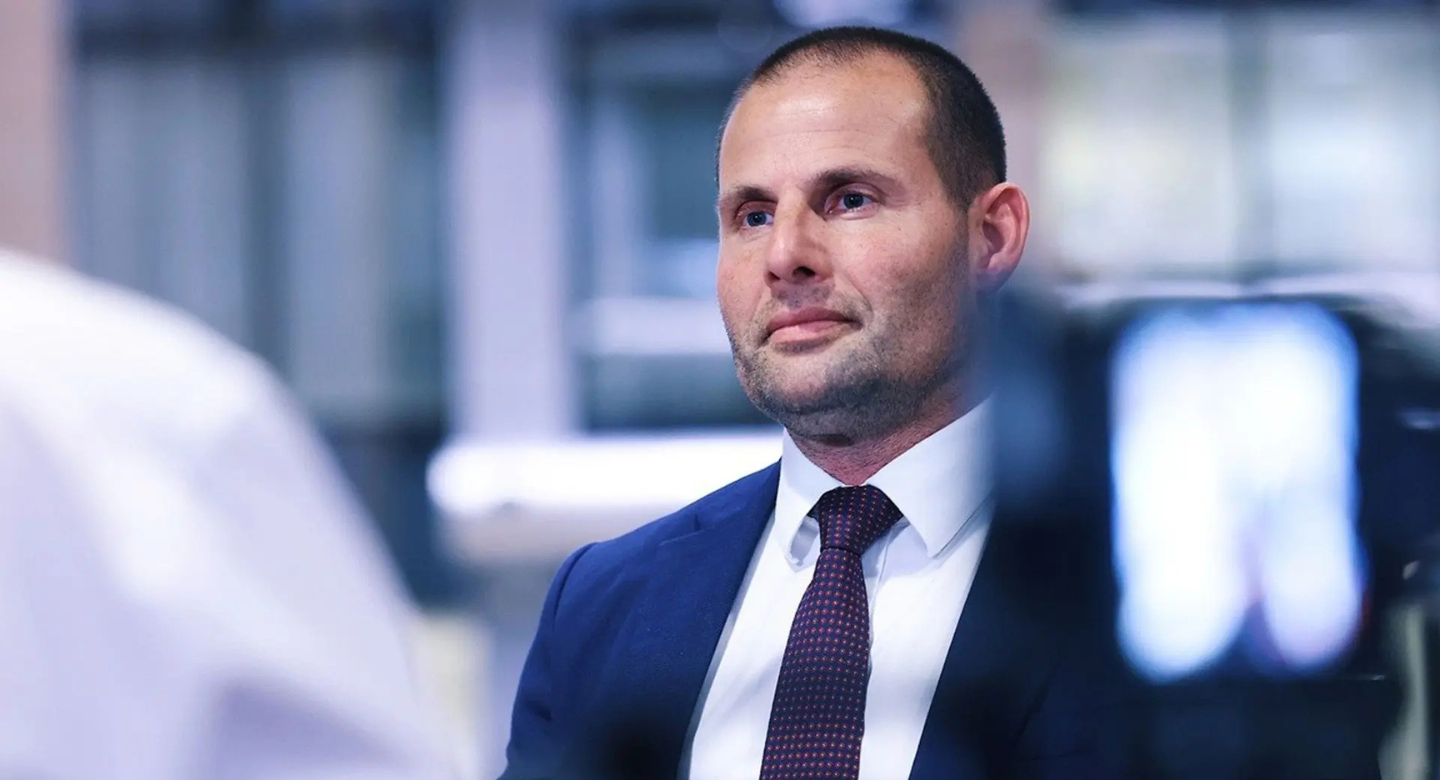

It’s always touching, isn’t it? When a Labour minister suddenly discovers, like a reformed sinner finding religion, that something might be “concerning”. Better still, “saddening”.
This time, we are told by Robert Abela that Malta’s image has been seriously wounded by a grubby water polo betting scandal. The national escutcheon, apparently, has been sullied. One imagines it lying there, fainting on a chaise longue.
Malta’s image, you see, is a delicate thing. Fragile. Precious. Easily bruised by the sight of someone having a flutter on a chlorinated outcome.
And there he is, hand to heart, voice heavy with sorrow, lamenting the reputational damage. Concerned. Saddened. Almost bereaved. “There must be consequences,” he intoned, oblivious to the way there weren’t any, back in the day.
Now, let’s be clear: protecting a country’s reputation is not a ridiculous idea. Malta has, after all, featured rather prominently in discussions about money laundering – and not in the “gold star” section. But this sudden sensitivity does raise a slightly inconvenient question.
Where exactly was all this anguish when Malta was being internationally rebranded as a case study in institutional rot?
Because if we are now in the business of worrying about Malta’s image, one might have thought that the era of He Who Must Not Be Named, known more bluntly elsewhere as the King of Corruption, might have rung a slightly louder alarm bell than a few suspicious shots on goal.
You remember that period. Or rather, the one we are now invited to treat as a collective hallucination. A journalist murdered. Corruption allegations stacking up like unpaid bills. Ministers resigning under clouds thick enough to ground air traffic. And, just for seasoning, the small matter of Financial Action Task Force greylisting.
The sort of thing that tends to leave a mark.
Curiously, back then, there was less grief. Less trembling concern. No ministerial chorus lamenting Malta’s sullied honour.
Instead, we were treated to denial. Deflection. Gaslighting on an industrial scale. Everything was fine. Criticism was exaggerated. Foreigners didn’t understand Malta. It was all politically motivated. The real problem, we were told, was the people pointing it out.
Then, of moral outrage, there was not a sniff, nothing.
Now, suddenly, sadness and concern are oozing out of every pore. A sudden epiphany that optics matter has been undergone.
And just by coincidence, pure coincidence, of course, this outbreak of moral hygiene arrives as the distant drumbeat of elections begins to sound.
Candidates, new and old, are being scrubbed, rinsed, and presented as freshly laundered. The message is clear: look over here, at this manageable scandal, while politely ignoring the structural ones that came before.
It’s remarkable how standards suddenly materialise when votes are at stake. Principles bloom overnight. Ministers develop an allergy to scandal, provided it is small, containable, and safely detached from their own political bloodstream.
A water polo betting issue? Outrage. Sorrow. Think of Malta’s image.
Systemic corruption that had international watchdogs circling Valletta like vultures? Complex. Nuanced. Lessons learnt. Move along. That’s just the Blue Heroes bullying the PN into becoming Malta-haters. It would be funny if it weren’t quite so brazen.
So spare us the sanctimony. When the house was actually on fire, the same people now wringing their hands about the curtains hanging askew were busy insisting the flames were just atmospheric lighting.
Sign up to our newsletter Stay in the know
"*" indicates required fields

Pull the pardon


Our students can’t read – Labour is delighted

His Own Idea, He Said.
When desperation kicks in
Tags
#Corruption
#international reputation
#Malta
#prime minister robert abela
#water polo
Other News
Pull the pardon
Our students can’t read – Labour is delighted
His Own Idea, He Said.
When desperation kicks in

Is Clifton Grima pushing a Trojan reform?
When it’s Ricky who loves you

Scorched by sycophancy

The call for a radical justice reform


Not shutting up

So what’s changed?

Demolishing accountability

Malta’s image is already smeared to the point when no “image” can further deteriorate it’s reputation.
If (and when) a new grey listing happens, it will become pretty obvious to the public. Malta is like Monaco, minus the EU membership and ofc salaries/wealth.