

As the gap the PN is trying to bridge, and assorted pundits are busy minimising, tightens ever so slightly, we are treated to a different kind of narrowing. The one between archaeological sensitivity and private comfort.
Because nothing says educational leadership quite like a €1.2 million villa in Rabat that apparently needs to be demolished to improve it.
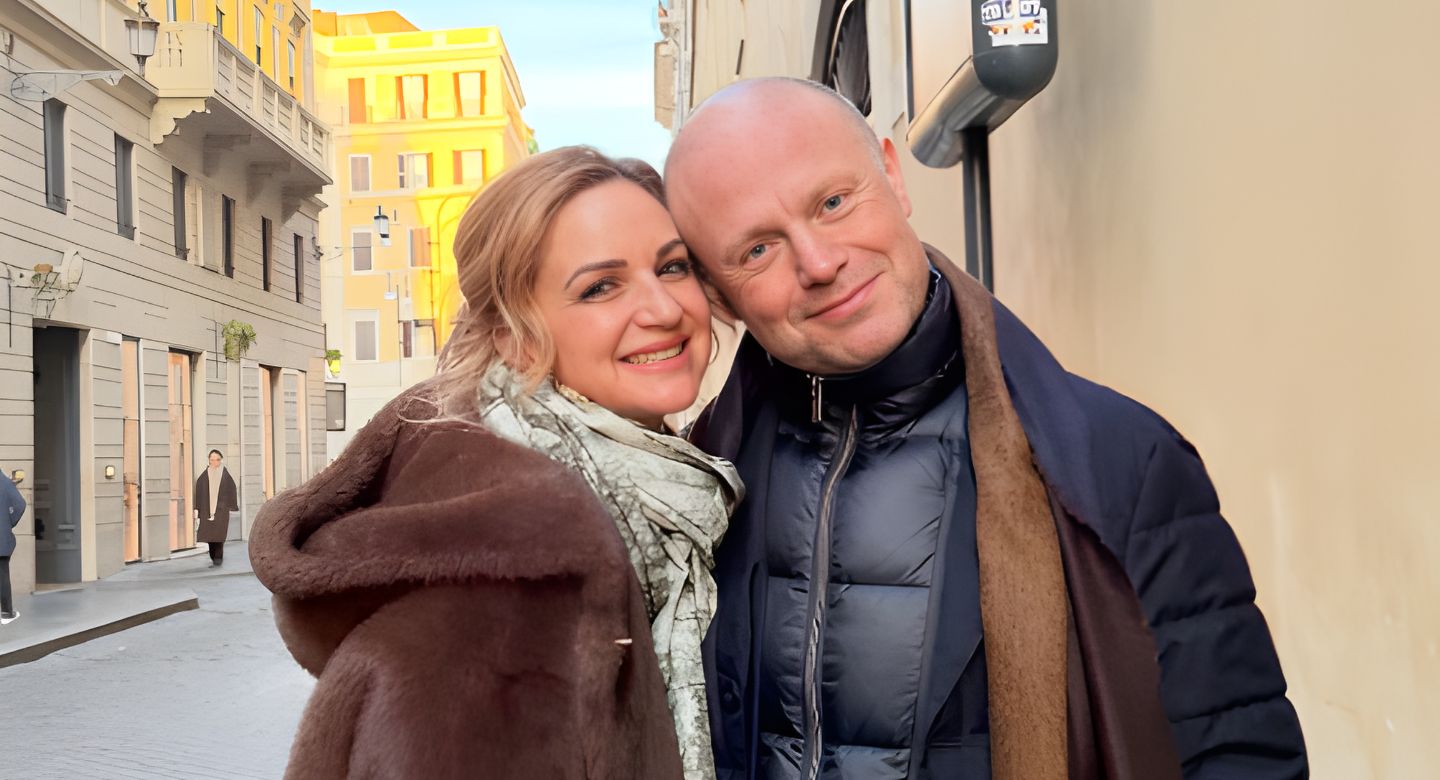
Education Minister Clifton Grima’s family applied to demolish the existing villa in the Tal-Virtù area of Rabat and replace it with a newly built detached villa, together with a basement garage and pool.
The property in question sits in Rabat, an area so archaeologically delicate that if you sneeze too hard, you risk cracking a Roman oil lamp. Or blowing out the flickering flame, anyway.
And yet, somehow, it seems that the educated guess is to dig.
Deeply.
Preferably deep enough for a basement garage and a swimming pool.
When confronted with thousands of years of Maltese history, the only rational response is to ask, ‘Yes, but where do I park?’
I can sympathise, given that I bolt or bus most times just because where I live, parking spaces are scarce, but I don’t go around suggesting that San Anton Palace should be retrofitted into a multi-storey parking paradise with an infinity pool.
Getting back to that Rabat villa, we are assured, of course, that an outline permit has always existed. That everything is in order. That heritage oversight will be respected.
Malta’s favourite lullaby soothes us: “il-proċedura ġiet segwita” (the process has been followed).
It takes a certain panache to look at a protected zone and think, ‘This could use a better footprint’. But then again, we are a country that looked at the coastline and thought, ‘DB Towers’.
Looked at the skyline and thought, ’30 storeys’. Looked at a power generation problem and thought, ‘Let’s build the most controversial energy project in our history and wrap it in a web of opaque contracts’.
I refer to Delimara, which started life as a great annoyance to Dom Mintoff (making Labour’s knee-jerkers hate it). It morphed, miraculously and with bells on, after 2013 (the deal was done and dusted before that, I do suspect), and the country became embroiled in the Electrogas saga, with all the viciousness and horror that ensued.
At Delimara, we were told it was a matter of national necessity. Energy security. Modernisation. Clean gas. The price tag? Merely a detail. The governance structure? A technicality. The due diligence? Don’t be tedious.
And so the Electrogas project, that monument to creative public-private enthusiasm, became the biggest excavation of all: Not of land, but of public trust, which became the gaping chasm under decency and good governance that should have been Labour’s downfall.
The scale differs, but the instinct does not.
The instinct is always the same: If it can be done, it should be done. If it raises eyebrows, issue a statement. If it raises questions, blame the usual negative politicians on the other side.
Meanwhile, we have political commentators parsing election margins to the second decimal place. We are told the electorate is more discerning. More volatile. More awake.
But what we actually see, election after election, is not volatility but elasticity. Stretch it, test it, excavate under it. It holds, to the relief of Labour’s panting promoters.
In any other European country, an education minister eyeing demolition in an archaeologically sensitive zone might prompt a moment of awkward optics. Here, it prompts a planning application and a shrug.
But perhaps I’m being unfair. Compared to Electrogas, a Rabat basement is practically minimalist.
While archaeologists watch helplessly and planners deliberate, they know that if they dig deep enough, they won’t find Roman ruins. They’ll find the Maltese political doctrine, perfectly preserved: ‘Build first. Explain later. If ever’.


Sign up to our newsletter Stay in the know
"*" indicates required fields
Essence de Kink

Abela doubles down


Why walls keep crashing down

Dripping poison
Tags
#Education Minister Clifton Grima
#elections
#Labour Party
#Rabat development
Other News
Essence de Kink
Abela doubles down
Why walls keep crashing down
Dripping poison

Bonnie says, ‘name them, Clyde’

Pull the pardon

Our students can’t read – Labour is delighted

His Own Idea, He Said.
When desperation kicks in

Is Clifton Grima pushing a Trojan reform?
When it’s Ricky who loves you

To be fair anything of value was probably destroyed when the foundations of this villa were laid