

Prime Minister Robert Abela has forcefully denied accusations that he encroached on the independence of the courts, insisting with journalists outside parliament on Tuesday evening that any concerns raised by Judge Lawrence Mintoff will be addressed through the institutional mechanisms established to safeguard judicial standards.
The dispute erupted after Mintoff sent a strongly worded letter to Castille outlining what he considered inappropriate conduct by the prime minister – a move that Opposition Leader Alex Borg pointed out was “unprecedented”. Borg said the public deserved answers.
The letter, which entered the public domain, has added fresh tension to an already delicate political climate in the lead-up to the appointment of a new Chief Justice, a role central to the leadership of the judiciary and the administration of the courts.
Abela dismissed claims that he had attempted to influence judicial proceedings or undermine the autonomy of the Bench – accusations made by sitting Judge Mintoff. He said he held the judiciary in “full respect” and rejected any suggestion that he prioritised financial or personal interests over constitutional principles.
He indicated that he expected to be summoned by the Commissioner for Standards in the Judiciary, the Authority responsible for examining ethical issues relating to members of the Bench and matters impacting judicial propriety.
Abela said he would confine his detailed response to that forum, arguing that institutional processes, rather than media exchanges, were the proper avenue for resolving such disputes.
Mintoff’s correspondence included an allegation that Abela appeared more focused on monetary considerations than on defending judicial independence. The prime minister said this was unfounded and that he would respond formally when required.
The controversy comes at a pivotal time, as discussions are ongoing about the appointment of a successor to current Chief Justice Mark Chetcuti.
Under Malta’s constitutional framework, the president appoints the chief justice, acting on the advice of the prime minister, following consultation with the leader of the Opposition. The process has gained heightened scrutiny in recent years amid broader reforms aimed at strengthening the separation of powers.
Abela rejected accusations that he was unwilling to consider Opposition-backed candidates or that he was seeking to consolidate political advantage. He confirmed that meetings had taken place at Castille with Opposition leader Alex Borg, Justice Minister Jonathan Attard and Opposition justice spokesperson Joe Giglio. According to Abela, those discussions focused on establishing objective criteria for the appointment.
Among the benchmarks he cited were professional longevity and reform capacity. He suggested that a candidate who had already spent a prolonged period in senior judicial office might be less inclined to pursue structural improvements, and that proximity to retirement age could limit long-term institutional continuity. He maintained that these considerations relate strictly to the efficient administration of justice.
Abela also addressed reports alleging that he had pressured a member of staff within Mintoff’s chambers while the Judge was hearing the Paqpaqli case, a civil dispute that was later settled out of court. He said the Judge’s letter did not substantiate such claims and criticised what he described as speculative commentary suggesting improper interference.
The prime minister argued that the disagreement referenced by Mintoff concerned administrative matters handled by the court registrar, rather than judicial deliberations or rulings. He stressed the distinction between executive oversight of court administration and interference in adjudication, asserting that no attempt had been made to influence any judicial outcome.
In response to Mintoff’s suggestion that he recuse himself from discussions concerning the chief justice appointment, Abela said such a step would conflict with his constitutional obligations. The advisory role conferred on the prime minister, he noted, is not discretionary but embedded within Malta’s governance structure.
He further denied speculation that the government intended to postpone the nomination until after the next general elections, pointing out that a name had already been submitted for consideration. Talks with the Opposition, he said, remain ongoing despite recent tensions.


Sign up to our newsletter Stay in the know
"*" indicates required fields

Delta seeks financial assistance to keep Malta flights in 2027

Major food distributor in multimillion-euro talks over Convenience Shop stake


Portelli clan rupture deepens

MMH repays €15 million bond in full amid investor rescue deal
Tags
#Chief Justice
#judge lawrence mintoff
#judiciary
#prime minister robert abela
#Wenzu Mintoff
Other News
Delta seeks financial assistance to keep Malta flights in 2027
Major food distributor in multimillion-euro talks over Convenience Shop stake
Portelli clan rupture deepens
MMH repays €15 million bond in full amid investor rescue deal
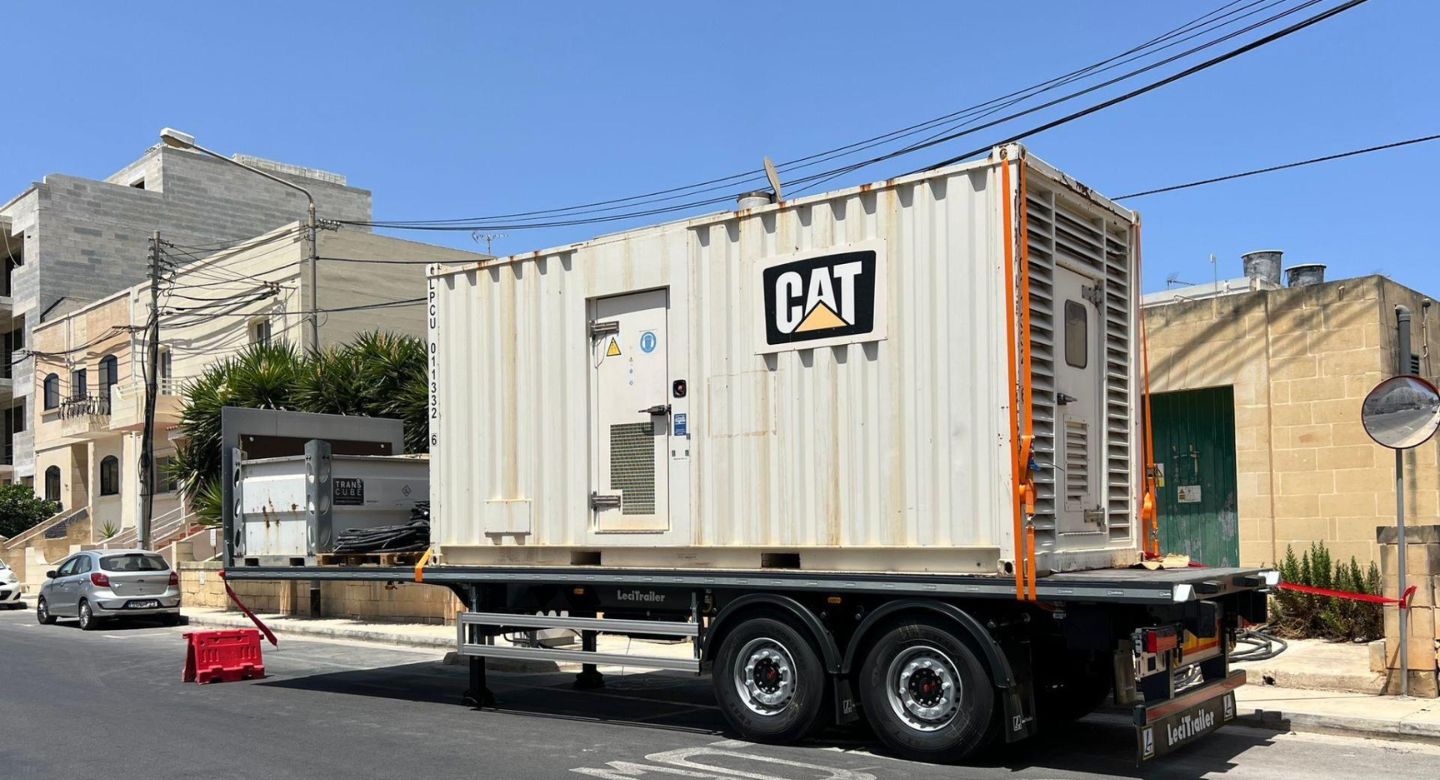
Energy crisis generator costs under NAO scrutiny

€61 an hour ‘thank you’ consultancy for Zammit Lewis

Public paid €6,000 for Kurt Farrugia interview and publicity

Heritage Malta directors’ remuneration more than doubles to €103,000 as deficit hits €4.2m

Malta’s tourism intensity outstrips Amsterdam and Barcelona

Carlo Stivala in bigger trouble as all Centric Hotel might be illegal

Joseph Muscat losing his cool as corruption proceedings against him continue
Xi tridu jwiegeb il prim ministru. Imma naf li wenzu mintoff qal is sewwa.
What has, to date, been a suspicion that Malta is a failed state has now been confirmed conclusively. When the institutions upon which a viable state should be structured have disintegrated to this extent, there can be no room for doubt.
Wakey wakey Madam President. It’s time to intervene don’t you think? Your hollow speeches sound even more ridiculous with every scandal that unfolds.