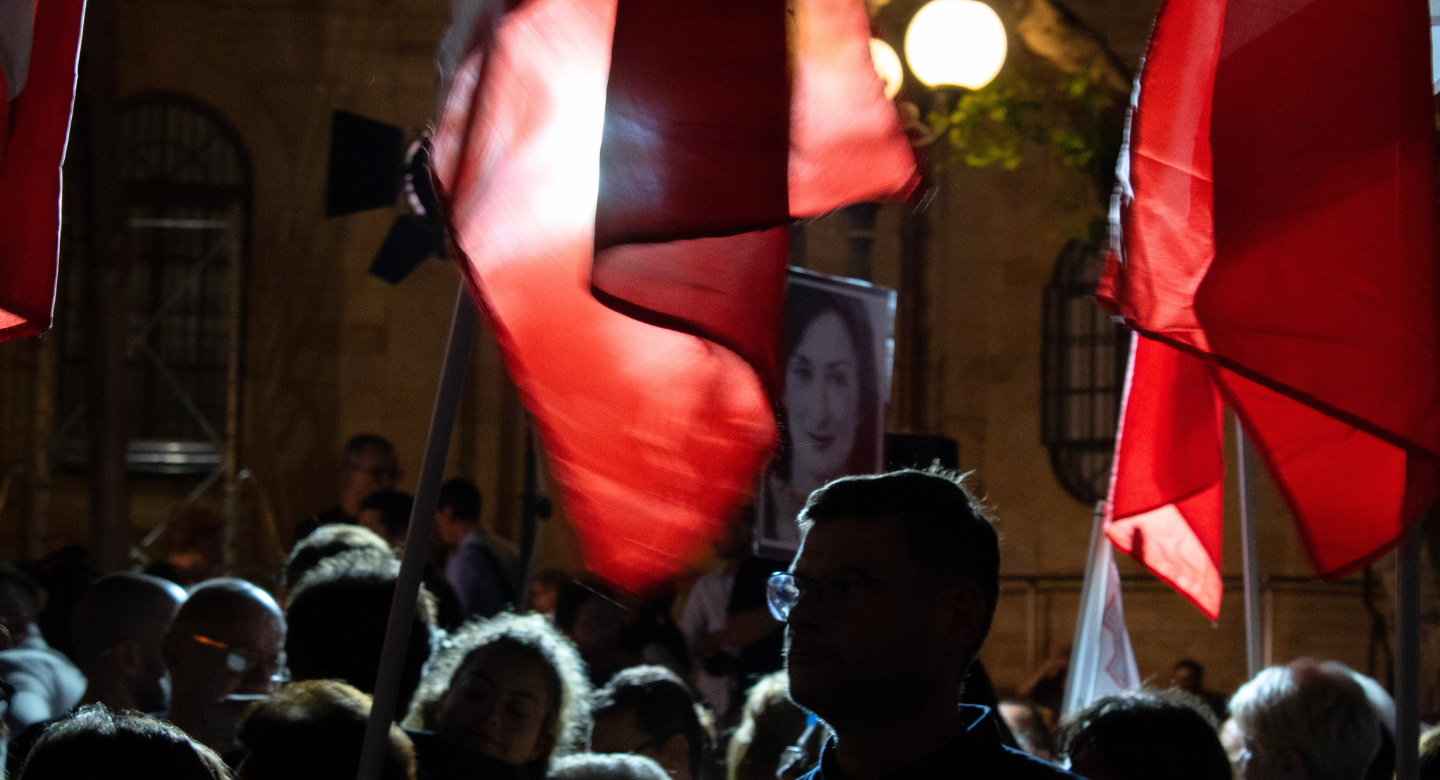

A remarkable thing may be happening. The country at large might just be beginning to wake up to the startling realisation that the Maltese government needs to discover democracy.
Not democracy in the sense of elections, slogans and the ceremonial wielding of scissors, but democracy as in functioning institutions, limits on power, and rules that apply even when they cause mild inconvenience to people accustomed to being indulged.
One imagines the moment of revelation: a sudden pause mid-briefing, a furrowed brow, and the hesitant words, “Hang on… are we supposed to be accountable?” Has that epiphany occurred yet, or are we still pencilling it in for a future legislature?
Just in case the concept remains elusive, enter Repubblika, patiently and expertly producing a 67-point checklist explaining how a modern democratic state is meant to function. This is not revolutionary material. It is not anarchist literature smuggled in brown envelopes.
It is, in effect, a laminated instruction manual for constitutional government, the sort most countries were issued sometime between the invention of the steam engine and colour television.
And to state the bleedin’ obvious, the proposals are sound. Very sound.
A full-time parliament that does more than applaud executive decisions.
An anti-corruption authority with teeth, not a ceremonial gum-shield.
Transparent appointments based on merit rather than loyalty. As in, “it’s not who you know, it’s what you know!” (Cue polite laughter from people who know exactly who knows whom).
Media protections that recognise journalists as watchdogs, not vermin to be shooed away with a rolled-up statement. Or worse.
All perfectly sensible. All painfully overdue.
What is genuinely impressive, however, is not what Repubblika proposes, but that any of this still needs to be explained; slowly, carefully, and preferably with diagrams.
For years – particularly over the past 12 years – the political ruling class has behaved like a teenager left alone for the weekend: rules ignored, mess accumulating, neighbours complaining, and utter bafflement when an adult eventually knocks on the door and asks what on earth has been going on.
Repubblika has described this as a “fragile democratic moment.”
“Fragile” is doing Olympic-level euphemistic labour here. This is not a Ming vase wobbling on a windowsill. It is a structure that has been repeatedly stress-tested, found wanting, patched up with the band-aid of press releases, and triumphantly declared “fit for purpose” by the same people who drove it into the wall.
Every so often, the pantomime delivers a small masterpiece of institutional irony.
After years of dismissing critics as hysterical, partisan or professionally negative, the government sometimes pretends to invite the public to politely explain why concentrated power, weak enforcement and captured institutions might not be ideal.
There is something faintly endearing about the government’s occasional posture as earnest undergraduate. The same administration that bristles at external scrutiny pretends to nod gravely, as though it has just discovered checks and balances via an especially well-designed PowerPoint presentation. Meanwhile, it’s pet attack poodles lift their legs onto any nearby dissident.
One hopes (sincerely, perhaps even naively) that the government will surprise us all and actually listen. That it will embrace reform that is real, undiluted, and unaccompanied by soothing noises about “process,” “consultation,” and “the establishment of working groups.”
But let us not lose our sense of proportion. Repubblika’s proposals are not a leap into some brave new world.
They are an attempt to crawl back to baseline, to standards so uncontroversial elsewhere that they barely warrant footnotes. That merely articulating them here is treated as daring tells you everything you need to know.
If meaningful reforms follow, excellent. If they are stalled, diluted, or re-labelled as historic achievements while changing very little, that will surprise precisely no one. I, for one, abandoned holding my breath many moons ago, on medical advice.
In the meantime, the government’s public will be withholding applause. Being reminded that the rules apply to those in power is unlikely to thrill those for whom “il-Ministru”, or indeed his boss, can do no wrong.
That they still need to be walked through this is not a hopeful sign, but it remains the minimum requirement if democracy is to continue beating, however faintly, in our long suffering hearts.
Sign up to our newsletter Stay in the know
"*" indicates required fields

Labour discovers manners
Essence de Kink

Abela doubles down


Why walls keep crashing down
Tags
#Andrew Borg Cardona
#Democracy
#Malta
#Repubblika
Other News
Labour discovers manners
Essence de Kink
Abela doubles down
Why walls keep crashing down

Dripping poison

Bonnie says, ‘name them, Clyde’

Pull the pardon

Our students can’t read – Labour is delighted

His Own Idea, He Said.
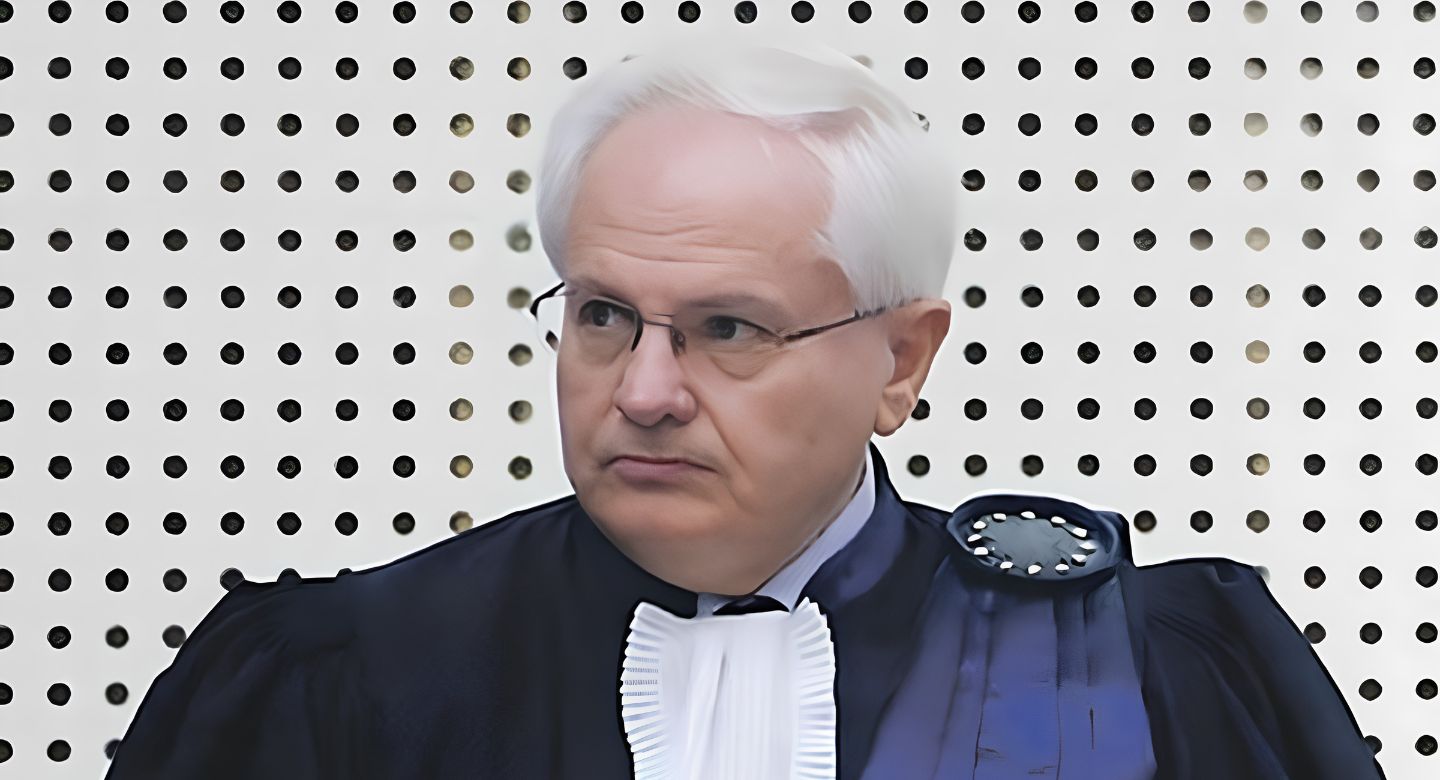
When desperation kicks in

Is Clifton Grima pushing a Trojan reform?
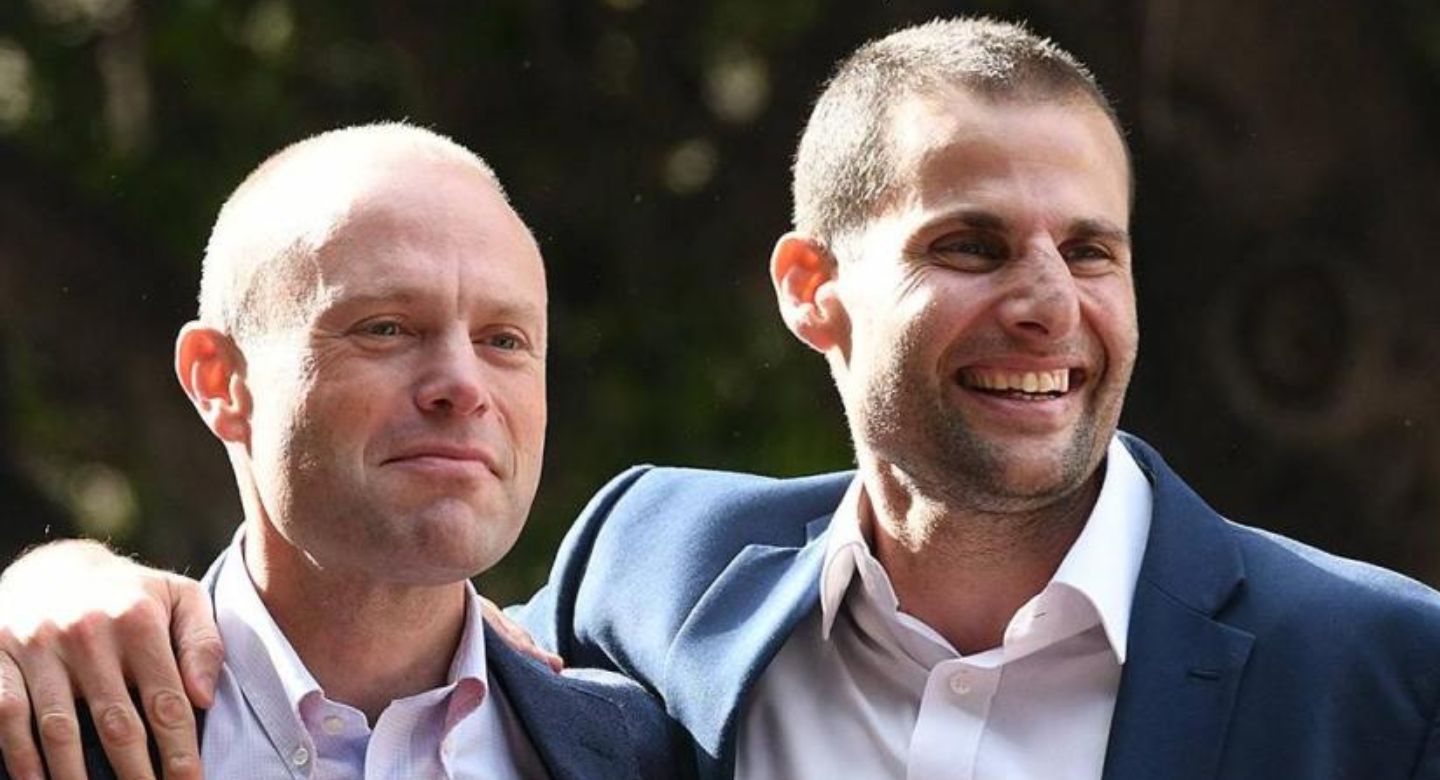
Over the last fifteen years or so of following Maltese politics, I have come to the conclusion that there must be a certain level of the Maltese electorate that inherently has either a ‘three wise monkeys’ attitude to the ruling classes or is perfectly content to be governed by people they know to be dodgy – to put it mildly. Until the same electorate is prepared to make a stand against all levels of corruption, there is little hope of any change, notwithstanding Repubblika’s checklist.
PS. I particularly enjoyed the ‘left alone teenager’ analogy. Very amusing.