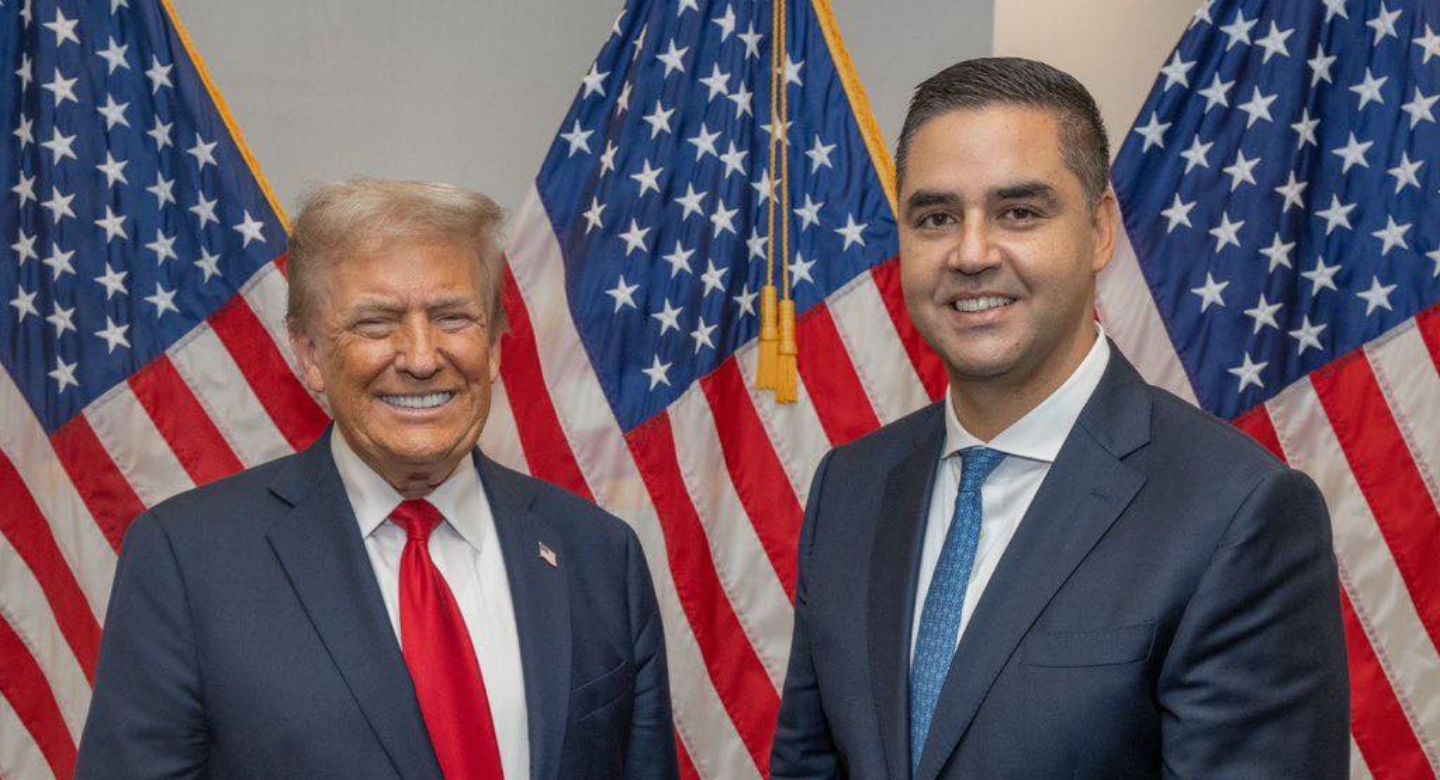

Here’s something about foreign minister Ian Borg’s decision to nominate US President Donald Trump for the Nobel Peace Prize that seems to have fallen through the cracks of local news coverage: it probably never even made it to the judges’ in-tray.
Given that the deadline for nominations was 31 January earlier this year, Borg either nominated Trump for the Nobel Peace Prize before the deadline without disclosing the nomination to the public for most of the year or knowingly submitted a meaningless nomination way past the stipulated deadline.
Despite Trump’s known obsession with the prize and a significant number of late endorsements from political leaders across the globe, the Nobel Peace Prize Committee’s panel of judges chose Venezuela’s opposition leader.
“The Nobel Peace Prize for 2025 goes to a woman who keeps the flame of democracy burning amid a growing darkness. Maria Corina Machado is receiving the Nobel Peace Prize for her tireless work promoting democratic rights for the people of Venezuela and for her struggle to achieve a just and peaceful transition from dictatorship to democracy,” the committee said.
Now that the sun has set on Trump’s ambitions for the prize, Borg’s gambit merits further scrutiny, especially in light of the rift it has opened within the Labour Party.
Borg justified his decision to nominate Trump on the basis of the US president’s mediation efforts in the conflict between Armenia and Azerbaijan, an issue with which Malta’s foreign minister was involved in his role as OSCE president.

Borg’s justification may have been deliberately specific, but when considered in the wider context of the US government’s longstanding support for Israel and its whipsaw policies on the war in Ukraine, it simply doesn’t hold any water.
While a tenuous ceasefire agreement between Israel and Hamas seems to be entering its first phase this week, Gaza’s residents are terrifyingly aware of how this is already the third ceasefire agreement that’s been brokered by the US and its regional partners since the escalation of Israel’s genocide in October 2023.
Following the expected release of all hostages held by both Hamas and Israel, Israel’s Prime Minister Benjamin Netanyahu – who nominated Trump for the peace prize while facing an arrest warrant for war crimes himself – will face less domestic pressure to end the war and bring hostages home.
Contentious issues like Hamas’ disarmament and Gaza’s future government remain unresolved, while far-right ministers in Netanyahu’s Cabinet continue openly calling for genocide. Over 90% of all residential units in Gaza lie completely destroyed. At least 67,000 Palestinians were killed in the past two years, with thousands more injured or missing and presumed dead.
Meanwhile, Ukraine continues to face devastating swarms of Russian drones every day, with Russian incursions over NATO borders becoming ever more brazen by the minute. The US government’s failure to fully commit to defending both Ukraine and its allies within NATO continues to unnerve European governments.
In other words, Trump makes flimsy declarations about ending wars, sheds any responsibility whenever agreements made under duress fall through, hoards credit for any brief reprieves in conflicts across the globe, and conveniently always fails to hold the US or its allies accountable.
Predictably, Borg’s nomination elicited widespread criticism. The Labour Party’s president, Alex Sciberras, publicly disagreed with the foreign minister’s nomination.
“Ian (Borg) and I are good friends, and we share absolute mutual respect and esteem, but on this issue, I cannot agree with him. I can never endorse Trump – a man who espouses populist, anti-democratic discourse, who has waged a campaign against minorities and LGBTIQ rights and who suppresses freedom of expression,” Sciberras told The Times of Malta.
Meanwhile, two of the Labour Party’s three MEPs in Brussels – deputy leader Alex Agius Saliba and Daniel Attard – broke ranks with their own parliamentary group to vote in favour of a motion of no confidence that sought to dismiss European Commission president Ursula von Der Leyen.

From left to right: Labour MEPs Alex Agius Saliba, Thomas Bajada, and Daniel Attard. Bajada was the only Labour MEP who voted against the motion to dismiss Von Der Leyen.
The motion, which was presented by the far-left group of the European Parliament, listed the EU Commission’s widely panned trade deal with the US and the EU’s failure to suspend the EU-Israel Association Agreement over Israel’s genocide in Gaza as two of the main reasons for requesting Von Der Leyen’s dismissal.
While the Labour government’s foreign minister was singing Trump’s praises as a peacemaker, the Labour Party’s MEPs were calling for the dismissal of the president of the European Commission over her perceived willingness to appease Trump at Europe’s expense and her failure to stand up to a key US ally in the Middle East.
Which begs a load of questions: where does the Labour Party actually stand on any of these issues? What was the real motive behind Borg’s otherwise pointless nomination?
Sign up to our newsletter Stay in the know
"*" indicates required fields
Caruana’s shift in a few months – from confidence to warnings


Labour Party media targets critics at least 48 times less than four weeks after general elections

Anġlu Farrugia’s greatest hits

Abela’s record cabinet creates a two-tier government
Tags
#alex agius saliba
#Alex Sciberras
#Armenia
#Azerbaijan
#Benjamin Netanyahu
#daniel attard
#Donald Trump
#European Commission
#European Parliament
#Hamas
#Ian Borg
#Israel
#Labour Party
#Malta
#Maria Corina Machado
#Middle East
#NATO
#nobel peace prize
#OSCE
#Palestine
#Partit Laburista
#PL
#Russia
#Thomas Bajada
#ukraine
#Ursula von der Leyen
#USA
#Venezuela
Other News
Caruana’s shift in a few months – from confidence to warnings
Labour Party media targets critics at least 48 times less than four weeks after general elections
Anġlu Farrugia’s greatest hits
Abela’s record cabinet creates a two-tier government

Labour down in all districts as PN gains 13,500 votes – biggest swing in Gozo

The hospitals they promised you a decade ago

Competing giveaways, collapsing trust

Who’s next?

Mediterranean Sweden, or far-fetched comparison?

The country that wants to have its cake and eat it

Two addresses, not one bold proposal in sight

Thank you, Mr Delia. A really interesting, and well-written, article. This is why I am happy to support the Shift and read it every day.
It shows how the island is actually bought out.