

The reputation and strength of Malta’s banking sector are expected to decline significantly with the acquisition of HSBC Malta by Greek CrediaBank SA, formerly known as Attica.
Experts told The Shift that the Greek bank, the sixth-largest bank in Greece but lacking any international presence, cannot be compared to the reputation and influence of HSBC in the global banking sector.
“It’s like replacing a Rolls-Royce with a Skoda,” said a veteran banking expert in the discussion.
HSBC, the international banking giant that has been present in Malta for decades, has been eyeing an exit from the small Maltese market for years. Pressure increased due to Malta’s reputational damage in recent years.
Malta’s greylisting in 2021 confirmed HSBC’s fears.
Struggling to find an international buyer, HSBC Malta initially lured APS – the much smaller Church bank – to take over, but was stopped by Finance Minister Clyde Caruana, despite an initial green light from Prime Minister Robert Abela.
A group of Maltese and foreign businessmen, with a firm asset base, also attempted to take over the bank, but the government blocked their efforts, seeking to create more competition through a foreign bank.
CrediaBank SA (Attica), established in 1925 and with a history of state intervention and bailouts, has now been declared the preferred bidder, with the consent of the Finance Ministry.
Its majority shareholder is Thrivest Holdings Ltd, which is controlled by three Greek shipping magnates: Dimitris Bakos, Yiannis Yiannis Kaimenakis, and Alexandros Exarchou. These individuals have diverse business interests spanning shipping, construction, energy, tourism, and banking.
In 2022, Thrivest acquired a 43.63% stake in Pancretan Bank, a regional bank in Greece.
Subsequently, in 2024, Thrivest played a pivotal role in the €735 million recapitalisation of Attica Bank, which included the merger of Pancretan Bank into Attica Bank.
Following the merger, Thrivest became the largest shareholder of the newly formed entity, CrediaBank S.A., holding a controlling stake of approximately 54.6%.
The Greek government holds the remaining shares through the Hellenic Financial Stability Fund, established in 2010 to help stabilise the Greek banking sector.
Over the past year, the Greek bank has experienced significant growth and has eliminated a record number of non-performing loans through another government scheme.
Following its rebranding as Credia, the Bank has shown significant improvement in its financial standing.
Last March, Moody’s upgraded its baseline credit assessment rating to B1.
While CrediaBank’s recent ratings reflect a positive trajectory, they are notably lower than those of HSBC Bank Malta, highlighting the differences in their financial stability and market perception.
With an asset base of €7.6 billion, HSBC Malta holds a credit rating from Moody’s of A3, with a stable outlook, which is one of the highest in the global banking sector.
Sign up to our newsletter Stay in the know
"*" indicates required fields

Latest green wall revival withers within months as legal action remains a mystery


Forty-five per cent of students say they recently skipped an entire school day

Former Tourism Minister questions manure plant on doorstep of Mellieħa Bay

Ċaqnu stopped from further destroying Balzan townhouses as tribunal overturns PA approval
Tags
#Clyde Caruana
#CrediaBank
#Greece
#Grey listing
#HSBC
#Malta
#moneylaundering
#Tax Haven
Other News
Latest green wall revival withers within months as legal action remains a mystery
Forty-five per cent of students say they recently skipped an entire school day
Former Tourism Minister questions manure plant on doorstep of Mellieħa Bay
Ċaqnu stopped from further destroying Balzan townhouses as tribunal overturns PA approval

NAO questions €12 million in sports grants approved without full scrutiny

Revealed: Muscat was referring to Evarist Bartolo as lobbying for his replacement
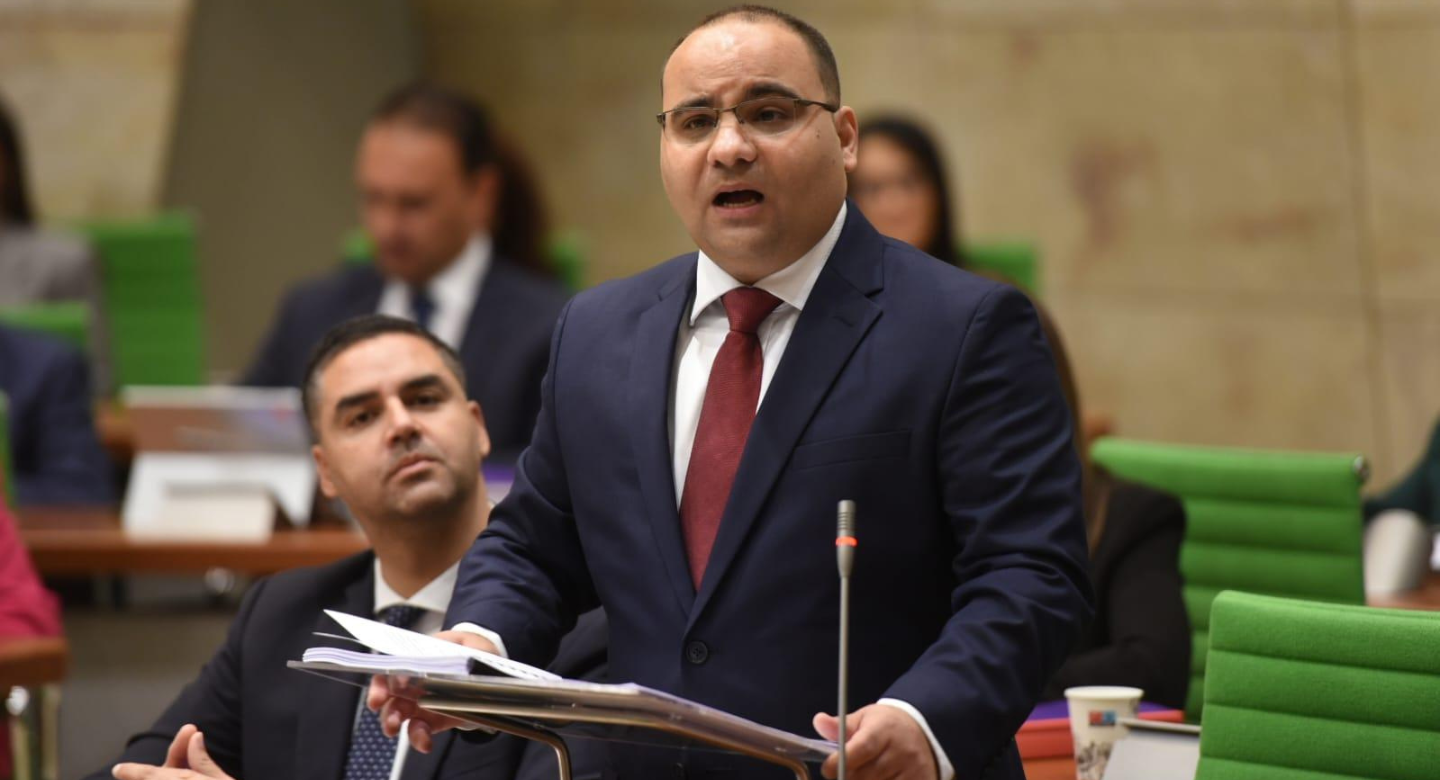
Clyde Caruana’s campaign manager lands another €45,000 in public funds
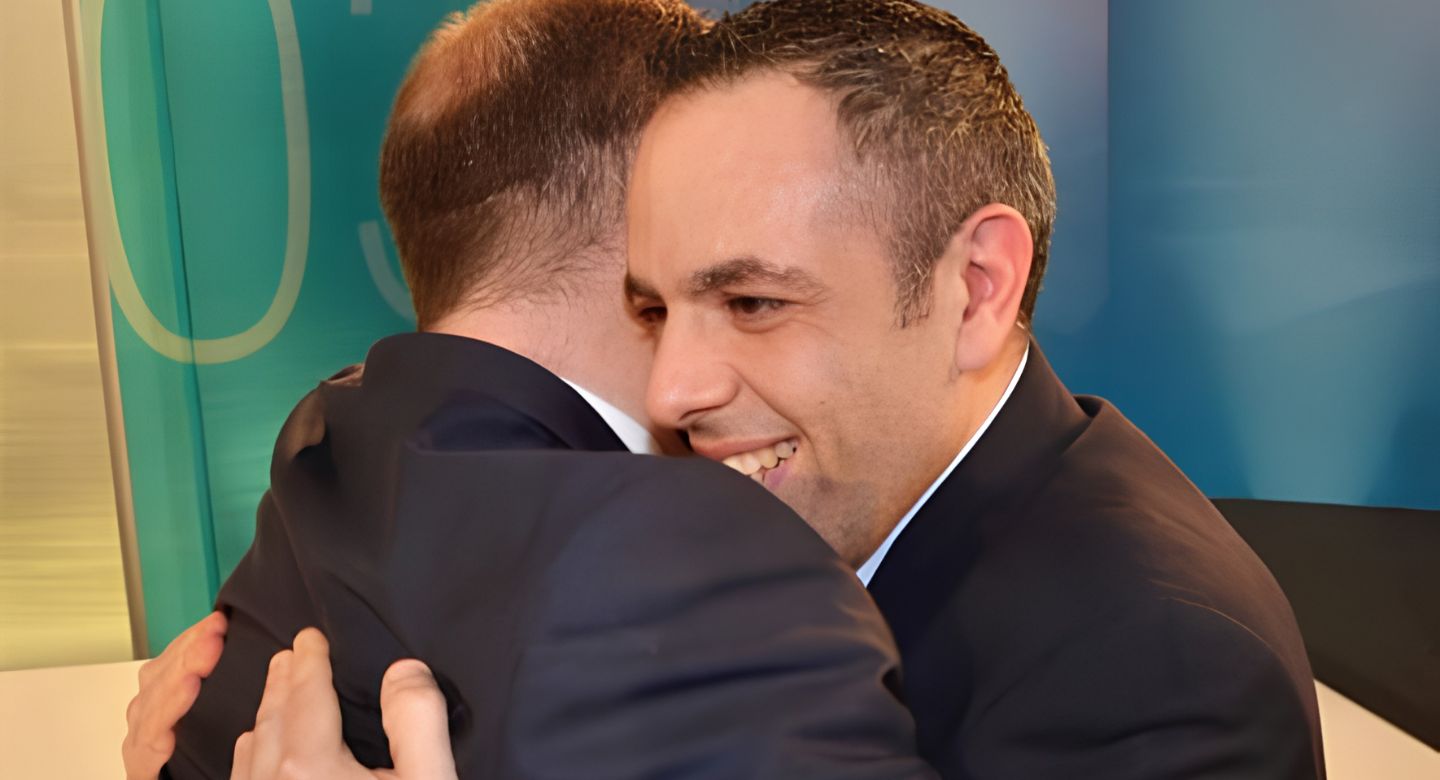
Muscat attempts to officially ‘dump’ Keith Schembri – From ‘best man’ to liability
NGOs Ask for Johann Buttigieg’s head

Malta fails in latest international education results – Almost half of students fall short in reading

Long-delayed film studios plan suddenly returns as €744 million private concession

When bailout appears in the horizon, the first two persons to disappear into thin air, are Robert Abela and Clyde Caruana.
u dak iz-ziblu liehor li seraq kwazi 200 miljun
Malta spiccat bhan-Nigeria u stati falluti ohra fl-istess kontinent Afrikan. Politikanti korrotti qeghdin hemm biex jisirqu u jaharbu kif jasal l-inkwiet. U l-Gahan Lejburist ikompli jghodd is-soldi u jifrah fil-faqar, il-problemi socjali u l-qamel. Kullhadd jaf li l-iktar livell intellettwali fjakk biss jivvota Pl.
X’Bailout
U B’Scicluna ghassa mas “Safe” tas Central bank , kullhadd kuntent kulhadd kurnut , jghid il malti.