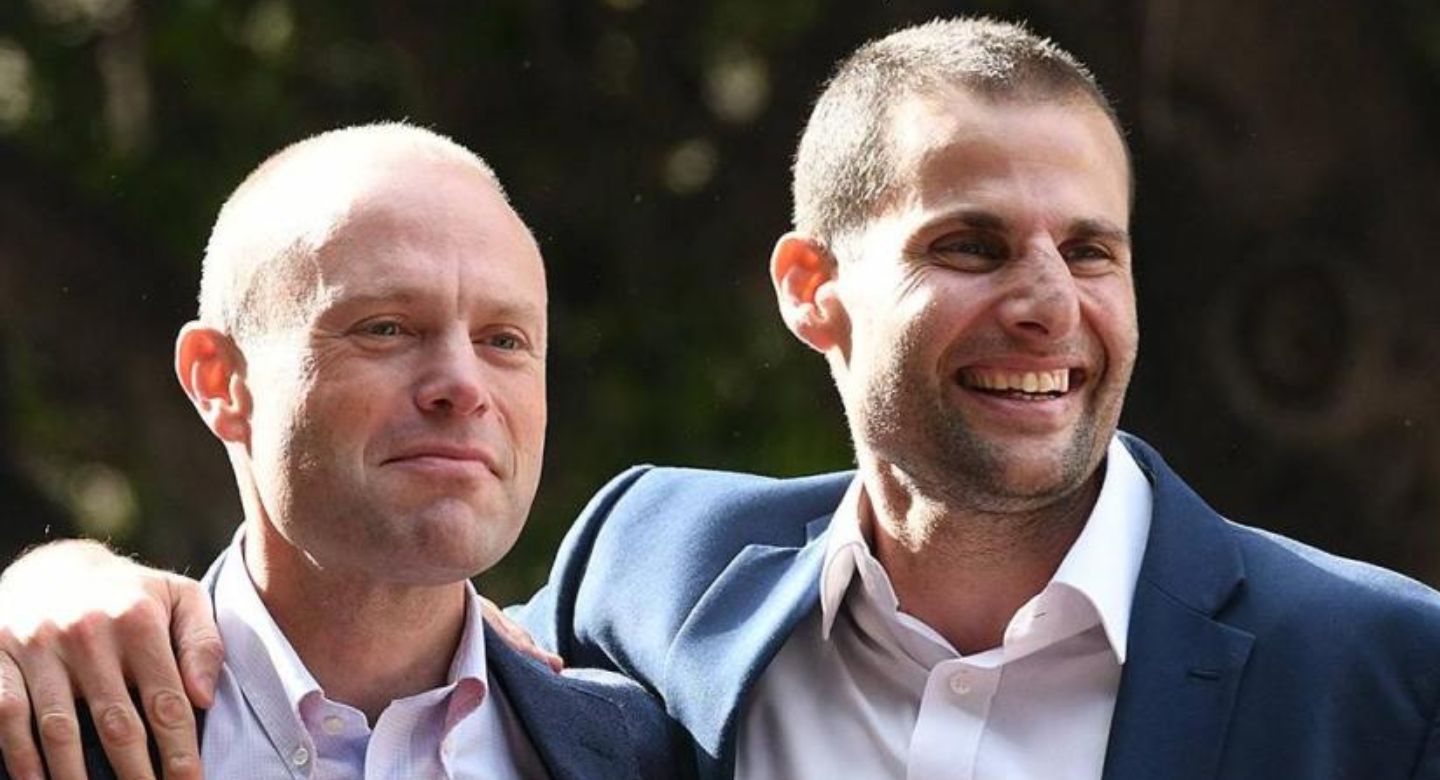
The mask, such as it was, had slipped in September 2024. In her farewell speech as Labour President, Ramona Attard, elected to Parliament eventually this time around, had described the abolition of criminal libel as “a mistake”.
The remarkable thing was not that it was said, though to be fair she quickly realised that her pas was very much faux, but that Labour spent the next two years pretending it had never been said.
Throughout the 2026 electoral campaign, Labour wrapped itself in the flag of democracy, rights, transparency and accountability. Ministers spoke solemnly about lessons learned. Candidates spoke about participation, respect and democratic values.
Meanwhile, across Europe, governments have spent years grappling with the threat posed by SLAPPs – Strategic Lawsuits Against Public Participation – lawsuits filed primarily to intimidate, burden, or silence critics by imposing the cost and stress of legal defence rather than to win on the merits.
The conclusion reached by the European Union was straightforward. Journalists, activists and public watchdogs need greater protection from the powerful.
The powerful already possess money, influence, publicity and access. They are protected enough.
The law should not make it easier for them to silence criticism. It should make it harder. That is the philosophy underpinning the Anti-SLAPP Directive.
When Malta transposed that Directive, it gleefully embraced the letter while carefully avoiding the spirit, largely confining itself to cross-border protection.
The problem, of course, is that Malta’s SLAPP problem is not primarily cross-border.
The journalist is Maltese. The activist is Maltese. The plaintiff is Maltese. The court is Maltese. The intimidation is Maltese.
Get it? The problem is Maltese.
But when proposals were made to extend meaningful protection to domestic cases, Labour declined to play ball. It remains as easy and relatively cheap to harass journalists and commentators in court as it ever was. Thankfully, it also remains relatively cheap to fight such cases, so decent media houses defend their positions.
It was, and remains, even cheaper to harass and attack journalists and commentators outside court. Indeed, it is often time-consuming and costly to sue people for doing that, unless you can use public funds for the purpose. There is a case where this very portal sued Robert Abela for – let us be circumspect – making comments about it that were less than accurate, but it’s often that this happens, and the case is trundling along with the usual speed.
And then came the elections.
For a few weeks, there was restraint. The campaign demanded it. The language was measured. The rhetoric was polished. The rough edges were sanded down.
Then the votes were counted, and Labour carried on laughing all the way to the bank. Suddenly, it felt as though somebody had opened a cage door or the manhole cover to a sewer.
The old targets reappeared with remarkable speed. Repubblika and allied activists, The Shift writers and respected columnists in other media found themselves once again treated less as citizens exercising democratic rights and more as hostile irritants whose motives were inherently suspect.
In some cases, they were treated as vermin to be exterminated, their photographs circulated, their reputations attacked, while Labour’s leadership looked the other way, resolutely.
Clearly, the restraint required by an electoral campaign had been discarded the moment it was no longer electorally useful. Scrutiny was no longer an annoyance to be tolerated but a process to be stamped out, exterminated even, however that was achieved.
There is something faintly disconcerting about a government enjoying one of the largest parliamentary majorities in Europe continuing to behave as though journalists, activists and civil society organisations constitute an existential threat.
It is as if what happened to Daphne Caruana Galizia happened in some distant country whose lessons need not concern us. The real lesson of Daphne’s murder was never that journalists require more tributes, more conferences or more solemn speeches.
It was that they require stronger protection from those who would rather not be scrutinised.
Europe understands that democracy requires critics. Labour still seems to believe it merely requires applause.
Sign up to our newsletter Stay in the know
"*" indicates required fields

Labour discovers manners
Essence de Kink

Abela doubles down


Why walls keep crashing down
Tags
#activists
#court
#dissidents
#Freedom of expression
#Labour Party
#press freedom
#SLAPP
Other News
Labour discovers manners
Essence de Kink
Abela doubles down
Why walls keep crashing down

Dripping poison

Bonnie says, ‘name them, Clyde’

Pull the pardon

Our students can’t read – Labour is delighted

His Own Idea, He Said.
When desperation kicks in

Is Clifton Grima pushing a Trojan reform?