

Civil society groups have renewed their warnings about the government’s stalled “reform” of Malta’s planning regime, leaving residents exposed to irreversible development while flawed permits are challenged in court.
Both Il-Kollettiv and the Ġustizzja għal Artna campaign argue that the delay in amending Bills 143 and 144 is not accidental, but a calculated attempt to neutralise public opposition ahead of the upcoming election.
Il-Kollettiv stated that, five weeks after Prime Minister Robert Abela promised them revised drafts, nothing has materialised, adding to the uncertainty about whether the bills will be withdrawn or meaningfully revised.
The crux of the issue is a planning system that allows construction to proceed even while permits are under appeal, a practice the government has acknowledged as problematic but has nonetheless failed to address.
As a result, residents are often left with court victories that arrive too late to prevent the damage that is done to their communities in the meantime.
That reality was starkly illustrated by the recent court ruling that revoked the permit for the 10-storey Halland Hotel in Swieqi, after finding that the Planning Authority had arbitrarily favoured one policy over another to benefit the developer.
By the time the ruling was delivered, the building was already largely constructed, rendering the legal remedy largely symbolic.
Activist groups stress that such outcomes are not anomalies but structural consequences of a system tilted in favour of developers.
Appeals are routinely portrayed as obstructionist or frivolous, yet residents consistently succeed in court.
The real dysfunction, they argue, lies in the quality of permits being issued and in the appeals framework itself, where tribunals have been criticised by the courts for acting arbitrarily.
While the government has repeatedly cited “legal uncertainty” to justify its reform proposals, campaigners counter that the proposed bills would do the opposite.
They argue that the Bills 143 and 144 weaken safeguards, place policy above the Planning Act and Local Plans, and neutralise residents’ right to challenge abusive decisions.
In effect, they say, the bills would turn appeals into a procedural formality rather than a meaningful check on power.
Public resistance has already forced the government to pause the bills, following large demonstrations in Valletta and a sustained mobilisation by resident groups from across Malta.
With no revised drafts published and no consultation process underway, activists called for vigilance in the face of the possibility that the legislation could quietly re-emerge once electoral pressure subsides.
In the meantime, both groups are united on one immediate demand: a simple legislative amendment to suspend works while a planning appeal is ongoing.
This narrow reform, long promised and easily implemented, would prevent irreversible construction and ensure that court rulings have real effect.
Instead, they argue, the government continues to prioritise developers’ needs over the common good, deepening public distrust and reinforcing the notion that planning policy in Malta is shaped by private interests rather than communities.


Sign up to our newsletter Stay in the know
"*" indicates required fields
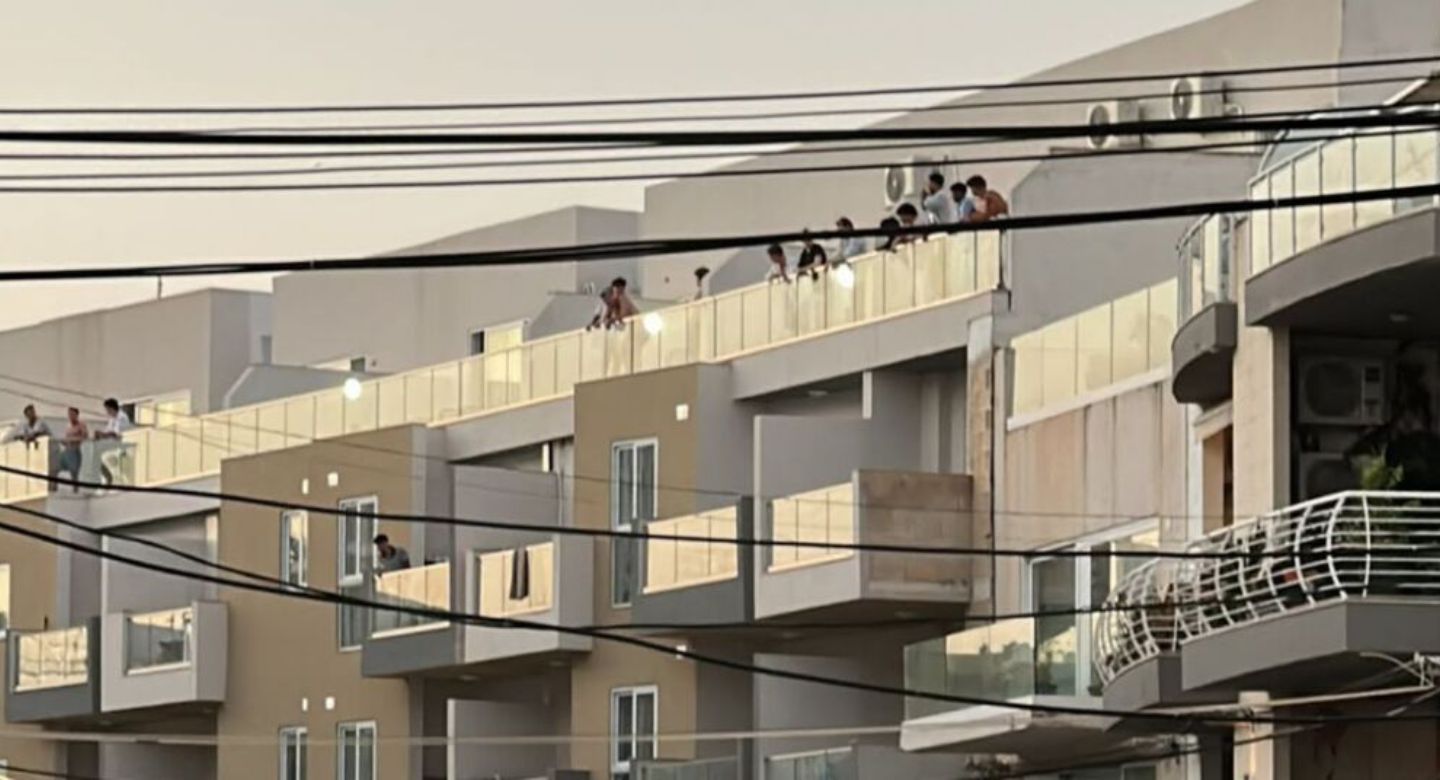
One in four licensed short lets concentrated in St Paul’s Bay and Sliema


Bonnici hails progress at housing project caught in crisis that sank Galdes


Employers slam Clyde Caruana’s cheap talk
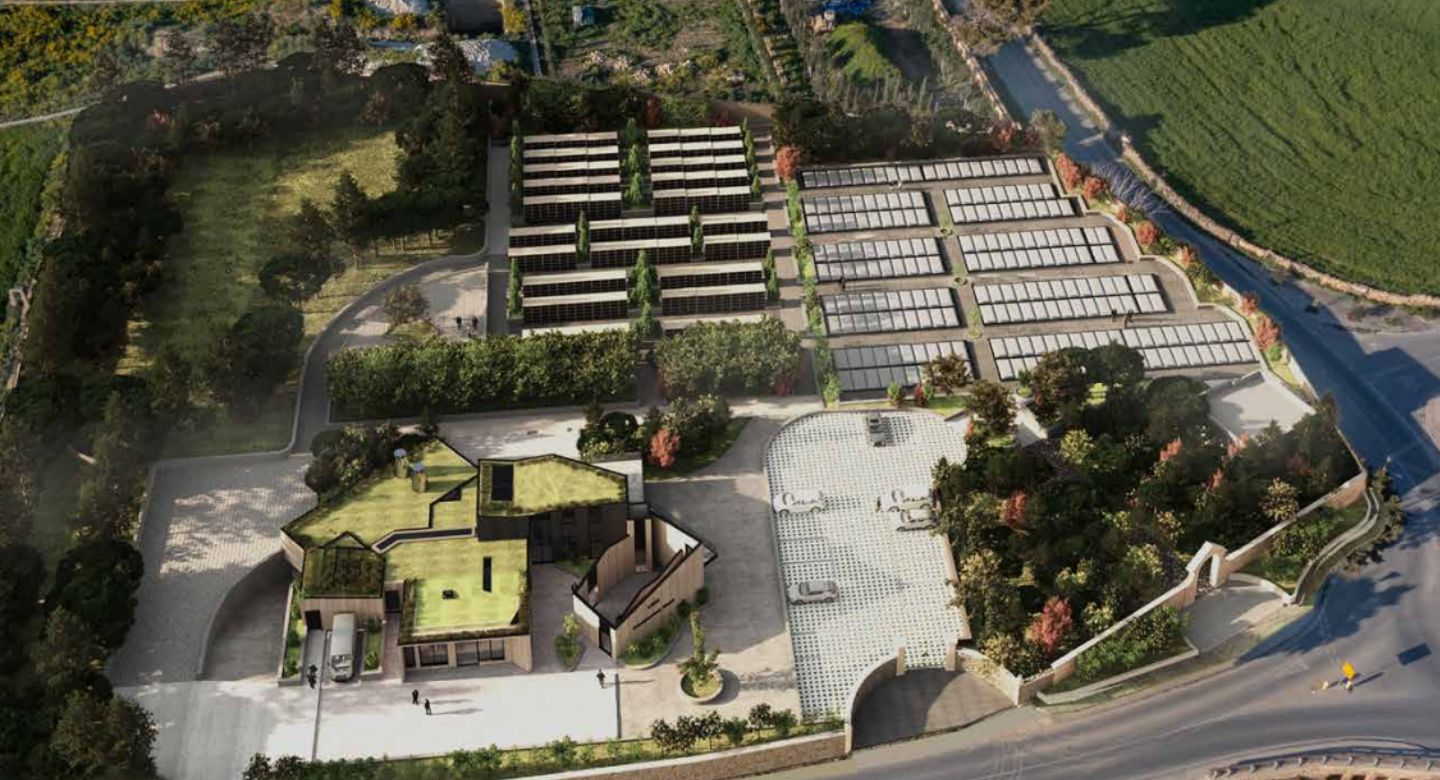
PA’s handling of rival crematorium applications raises a stink
Tags
#Bill 143
#Bill 144
#general elections
#Gustizzja Ghal Artna
#Halland Hotel
#Il-Kollettiv
#PA
#Planning Authority
#Planning Bills
#Swieqi
#Valletta
Other News
One in four licensed short lets concentrated in St Paul’s Bay and Sliema
Bonnici hails progress at housing project caught in crisis that sank Galdes
Employers slam Clyde Caruana’s cheap talk
PA’s handling of rival crematorium applications raises a stink

Super CEO’s wife seconded to Mater Dei top job

Caruana again dodges questions over KM Malta’s finances as airline in dire straits

Another chairmanship for the Mizzis as Byron Camilleri appoints Antonio

Dizz repays €8 million bond after completing Tigne shopping mall company sale

PN loses more experience as Alex Borg sacks his spokesman

Abela gets another drubbing by PL delegates

Galdes ‘parked’ at National Skills Council
