

Malta’s state-backed Malita Investments has yet to explain why a €22 million European Investment Bank (EIB) loan, agreed in March last year, remains undisbursed, even as the company announced this week that it was to seek further credit from local lenders.
In a statement on Thursday, Malita admitted that three of its projects were on hold while it seeks further funding from local lenders.
Considering that the EIB had signed a loan agreement worth €22 million to support the stalled project in Ħal Farruġ, Luqa, The Shift reached out to the EIB to understand why further funding was needed considering the substantial amount allocated by the EIB.
A spokesperson for the EIB told The Shift that while the bank continues to monitor Malita’s liquidity crisis closely, Malita Investments has yet to use the €22 million loan it was granted. The spokesperson also confirmed that Malita has not filed any requests for additional financing.
“As with all EIB operations, the timing of any disbursement is determined by the borrower’s own funding needs and decisions,” the spokesperson added.
The €22 million was meant to cover part of the social housing ministry’s flagship project in Luqa, which, along with two other projects in Qrendi and Cospicua, remains unfinished due to Malita’s financial problems.
EIB loans would be typically subject to what is known as an “end finance clause”, which would effectively mean that Malita would have to put up its share of the money on this project before being able to tap into the EIB loan, according to financial advisor Paul Bonello.
“This would assure EIB that the money they are lending is actually going into a project that is completed without requiring additional funding,” Bonello explained.
“In any case, the EIB would be asking for Malita’s financial statements. They would also inevitably have noticed other repeated red flags such as the wave of resignations from Malita’s top brass. The suspension of three Malita projects, as indicated in the last company announcement, further suggests that the company may possibly not satisfy the going concern requirement and that it would want to avoid a situation known as wrongful trading,” Bonello added.
According to Chapter 386 of the Laws of Malta, a company carries out “wrongful trading” when “a person who is a director of the company knew, or ought to have known, that the company is unable to pay its debts or is imminently likely to become unable to pay its debts” but nonetheless continues to conduct business anyway.
When asked what he makes of the possibility of refinancing Malita’s pending projects through additional funding, Bonello thinks “it’s very difficult” for that to happen.
“I would say it’s a long shot, especially if there may be serious doubts whether the company is currently solvent. It is unlikely that BOV would want to immerse themselves in this mess, however much they may be prodded by the government. The company is in dire straits because the government is unable to put up further capital or loans, because of EU state aid rules,” Bonello added.
The housing ministry’s investment vehicle for social housing projects began facing liquidity problems during Minister Roderick Galdes’ tenure. Previously, Malita fell under the remit of the finance ministry, but was shifted to social housing last year.
Galdes is facing significant pressure to resign from his position following an investigation published by The Times of Malta, which exposed how the minister bought a cut price rate penthouse from Gozitan developer Joseph Portelli, who massively benefited from dozens of his apartments being leased out to Galdes’ ministry.
Sign up to our newsletter Stay in the know
"*" indicates required fields

Where are the Moroccans? Outside Glenn’s job description

Fort Chambray decision is not enough – NGOs


Regulator rejects BOV’s nomination for top risk post
Terminated Housing Authority contractor formed company months before €6.5m Siġġiewi contract
Tags
#BOV
#EIB
#European Investment Bank
#FINCO Trust
#Luqa
#malita investments
#Paul Bonello
#roderick galdes
#social housing minister
#Times of Malta
Other News
Where are the Moroccans? Outside Glenn’s job description
Fort Chambray decision is not enough – NGOs
Regulator rejects BOV’s nomination for top risk post
Terminated Housing Authority contractor formed company months before €6.5m Siġġiewi contract
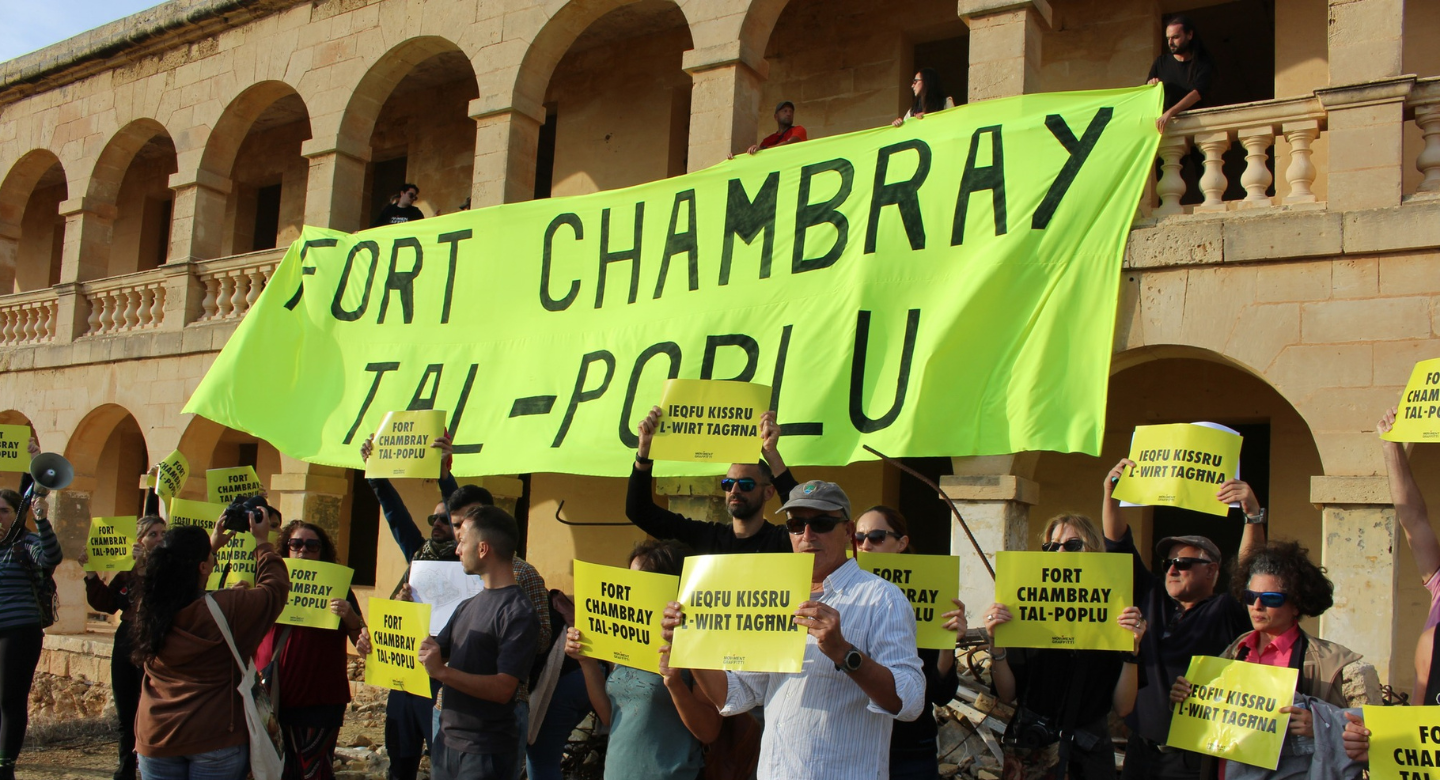
Government makes U-turn on Chambray, leaves protection and public access unclear

Dalli’s trusted aide leaves regulator after clash over interference

Dripping poison


Rare PL-PN unity as Siġġiewi vows to stop crematorium

MeDirect rejects bond disclosure allegations, warns Vaswani of damages claim
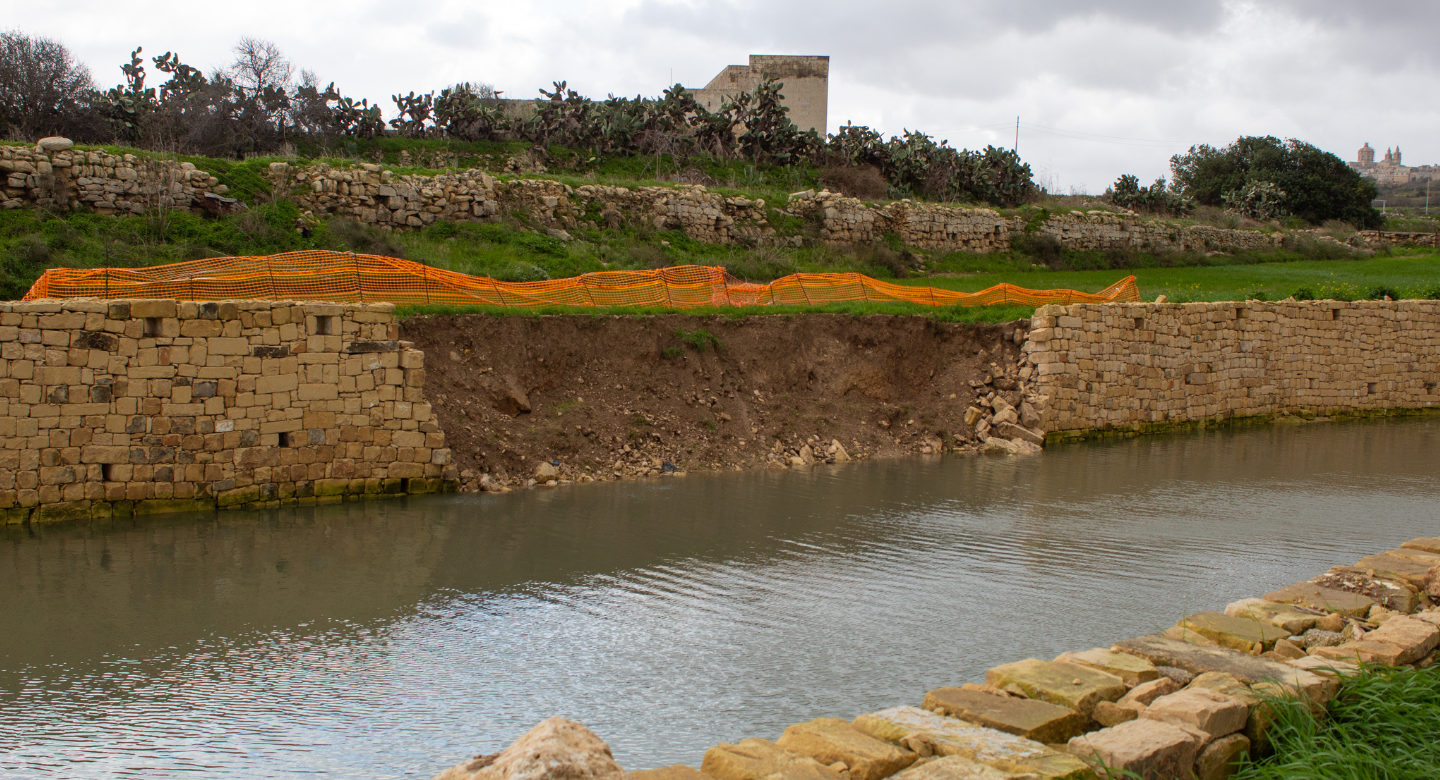
Dalli finds the culprit of Wied Speranza: water in a valley

Pama directors’ bonuses rise 21% as operating profit falls

pawlu Bonello is an investment advisor not a banker