

Enemalta’s Executive Chairman confirmed he was present at the glitzy inaugural launch of a new Chinese car model that is being sold through an influential local importer, a move that has raised eyebrows because of the Chair’s past business ties with the importer in question.
On 7 February, Changan Automobile, a Chinese Electric Vehicle (EV) manufacturer, held a launch event for its latest model as part of a Europe-wide push to gain market share. Changan’s local importer, FAPI Motors, is owned by Famalco Group.
The Prime Minister’s endorsement of the event has already been highlighted by The Shift as a questionable attempt to boost a private company’s standing, especially given Famalco’s connections with the ruling party. One of The Shift’s readers pointed out that Ryan Fava was among the event’s attendees.
Fava’s presence was also flagged because he previously worked as a mechanical engineer for Fritz Energy and Engineering Ltd, a subsidiary of Famalco.
In his response to questions from The Shift, Fava said he was formally invited to the event in his official capacity as Executive Chairman and that he previously worked full-time for Fritz Energy from 2008 to 2010. He added that he “severed all ties” with Famalco Group after leaving in 2010.
Enemalta’s boss “respectfully disagreed” with the assertion that there was little direct connection between Enemalta’s strategic objectives and those of an EV manufacturer.
Fava’s presence at the event is significant given the Chinese government’s direct stake in Enemalta and Malta’s energy supply. Fava is also known to have a direct personal connection with the Prime Minister, and his appointment was backed directly by the country’s highest office despite Energy Minister Miriam Dalli’s resistance to the decision.
News reports featuring Famalco’s subsidiaries highlight how planning and enforcement systems were undermined or manipulated to enable improper land use and development that benefited the group’s interests, from illegal ODZ activity and no oversight, to cosy ties between Famalco and key state regulators, and even direct business links with the Prime Minister.
“Electric mobility is intrinsically linked to the electricity sector and to Malta’s broader energy transition objectives. Enemalta does not operate in isolation. The electrification of transport is widely recognised as essential for meeting EU climate targets, including the long-term reduction of greenhouse gas emissions,” Fava told The Shift.
“The rollout of electric vehicles in Malta requires a robust and resilient electricity distribution network, together with widespread and reliable EV charging infrastructure. Under my leadership, Enemalta is implementing a long-term nine-year infrastructure plan which includes the commissioning of 15 new distribution centres across Malta and Gozo,” he added.
Fava then explained that these new distribution centres, which serve as power nodes that regulate how electricity is distributed to regions with different power needs, are required “to sustain and expand Malta’s shore-to-ship power supply infrastructure”.
“At the same time, Enemalta is working closely with other stakeholders to expand low-voltage electric vehicle charging infrastructure. This forms part of a broader strategy to strengthen the electricity distribution network so that it can support increased electrification and a growing share of renewable energy,” Fava continued.
Fava then claimed that “approximately 30% of Malta’s electricity generation comes from renewable sources” and that Enemalta’s long-term investment programme “is designed to ensure that the grid will be capable of accommodating an even higher share of renewable energy in the years ahead.”
The government’s most recent available data, along with its renewables targets, suggests that 30% is an exaggeration: It stood at 17.2% as of 2024, and the government still aims to increase that figure to 32% by 2030.
“My attendance at the event was therefore consistent with Enemalta’s strategic objectives in supporting national electrification efforts and the transition towards sustainable mobility. I remain fully committed to ensuring that Enemalta continues to strengthen the country’s electricity infrastructure while contributing to Malta’s environmental and EU climate commitments,” Fava said.

As detailed on his public LinkedIn accounts, Fava confirmed that his involvement with Fritz largely involved overseeing “the refurbishment and upgrading of fuel stations” to ensure compliance with relevant standards and European regulations, “at a time when several fuel station operators were modernising their facilities in the context of Malta’s accession to the European Union”.
Since the Labour Party swept to power in 2013, Enemalta has struggled to remain solvent despite hundreds of millions in annual government subsidies and a monopoly on the country’s entire electricity supply.
During Fava’s tenure, Enemalta’s finances were dealt another blow after The Shift’s reporting forced the company to admit it could not account for €60 million that went missing in a carbon trading transaction gone awry.
Fava’s predecessor, Jonathan Cardona, was forced to take the fall after a particularly disastrous year for summer power cuts – though not without a generous €110,000 salary and another government job to soften the blow.
Fava earns €150,000 annually as Executive Chairman.
Sign up to our newsletter Stay in the know
"*" indicates required fields

Lillu is no longer ‘king’


Green wall stripped of dead plants a day after The Shift report


Bonnici gets new €3 million direct order at Ħal Far while drag strip remains incomplete
Thousands of people call for justice for Daphne
Tags
#Changan Automobile
#China
#Enemalta
#Famalco Group
#Fritz Energy
#Labour Party
#Malta
#Miriam Dalli
#OPM
#Partit Laburista
#PL
#prime minister
#Robert Abela
#Ryan Fava
Other News
Lillu is no longer ‘king’
Green wall stripped of dead plants a day after The Shift report
Bonnici gets new €3 million direct order at Ħal Far while drag strip remains incomplete
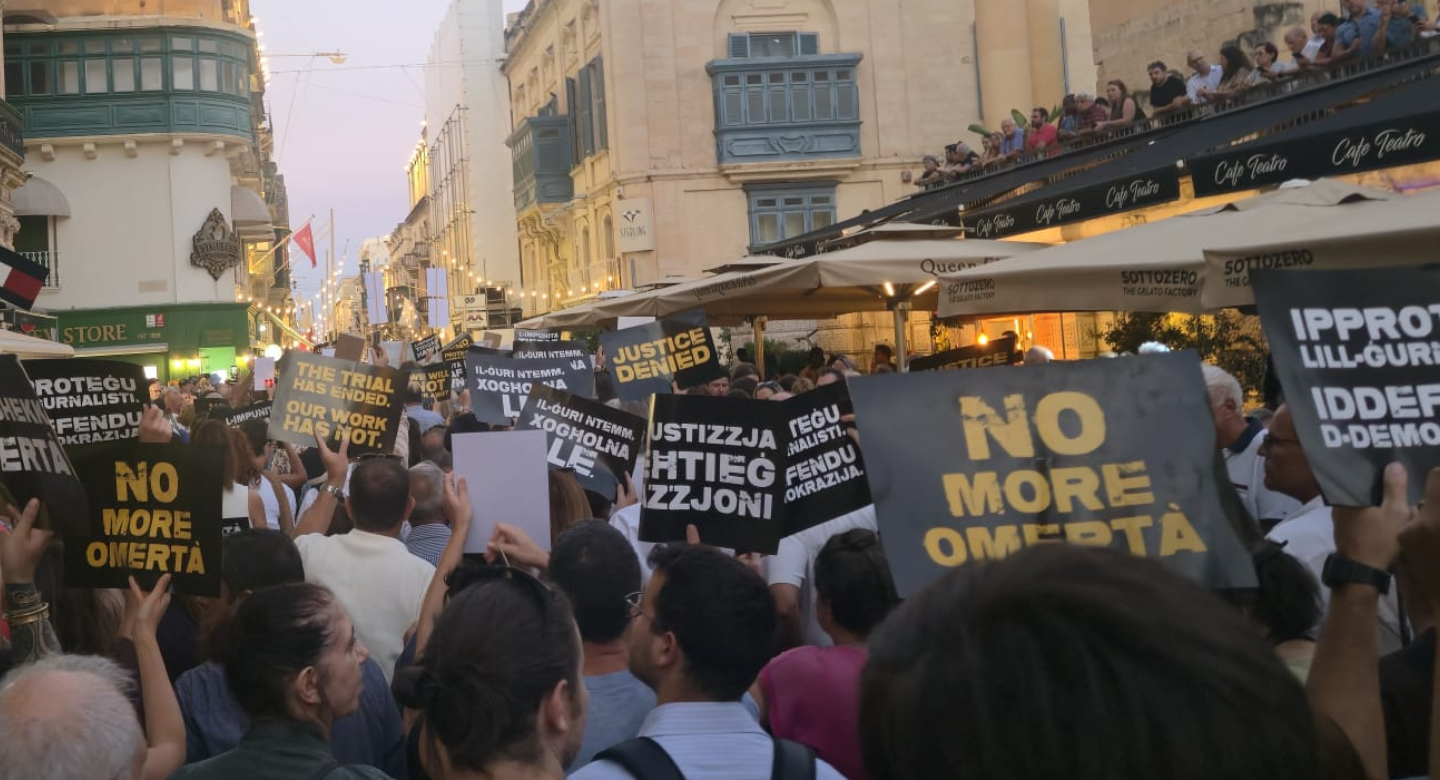
Thousands of people call for justice for Daphne

Tourism minister called to wake up – ‘Enough is Enough’, residents insist

Melita – Epic deal could leave Malta with just two mobile networks, reducing competition

Caruana warns ministers cash is running out, spending squeeze looms

Dizz calls bondholders’ meeting days before €8 million repayment deadline

Malta’s minimum wage falling behind – Portugal and Greece also pay better

So what’s changed?


Education – Bullying rises while reported family support falls

It is a Chinese Government Parastatal company , heavily subsidized to undermine European workers security.